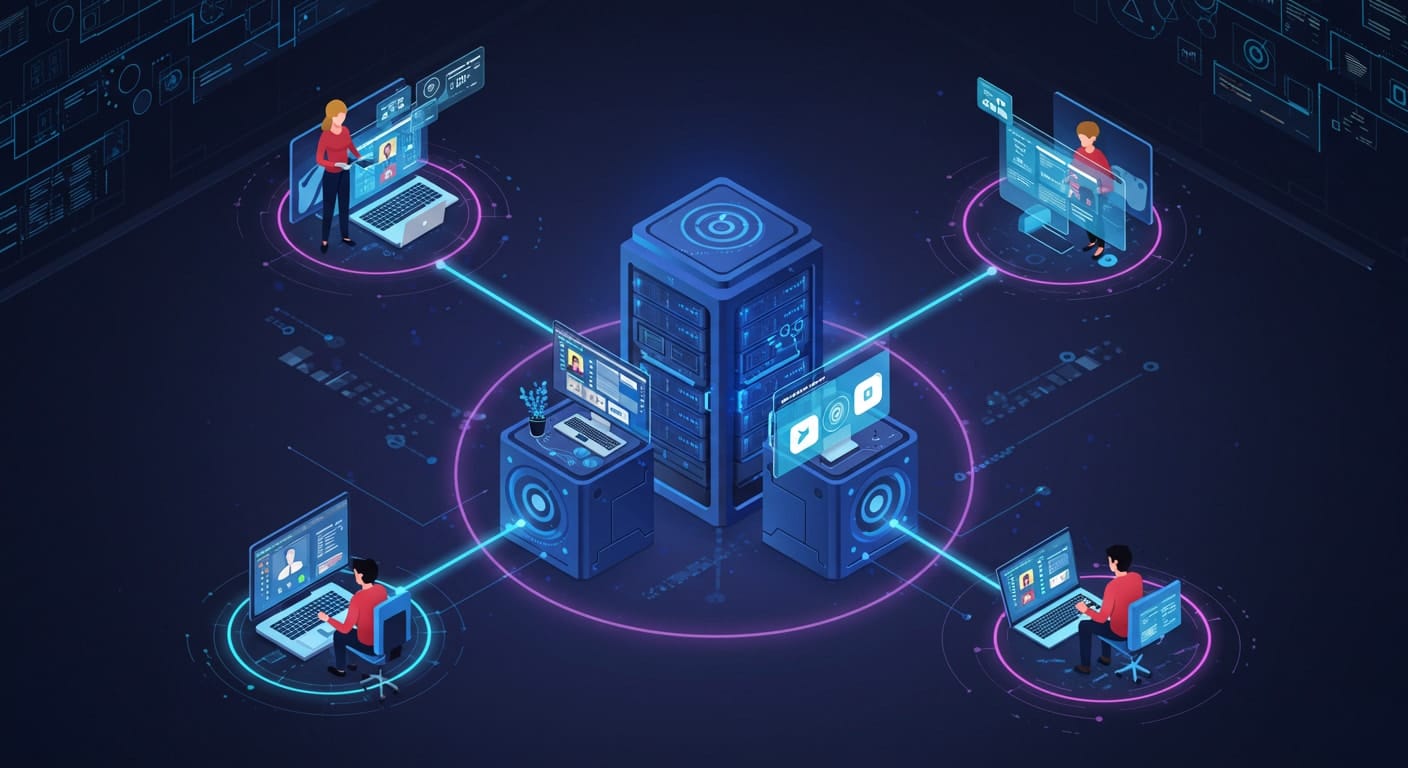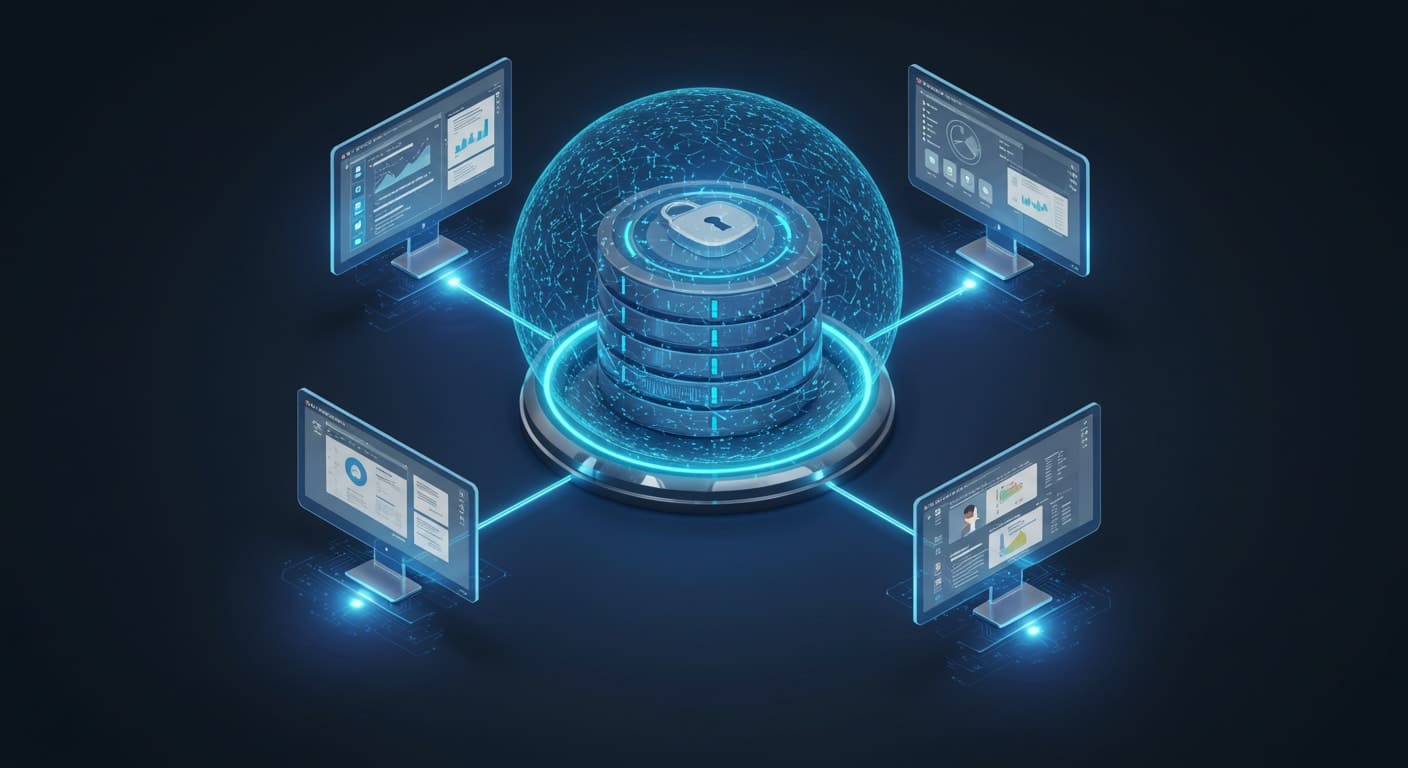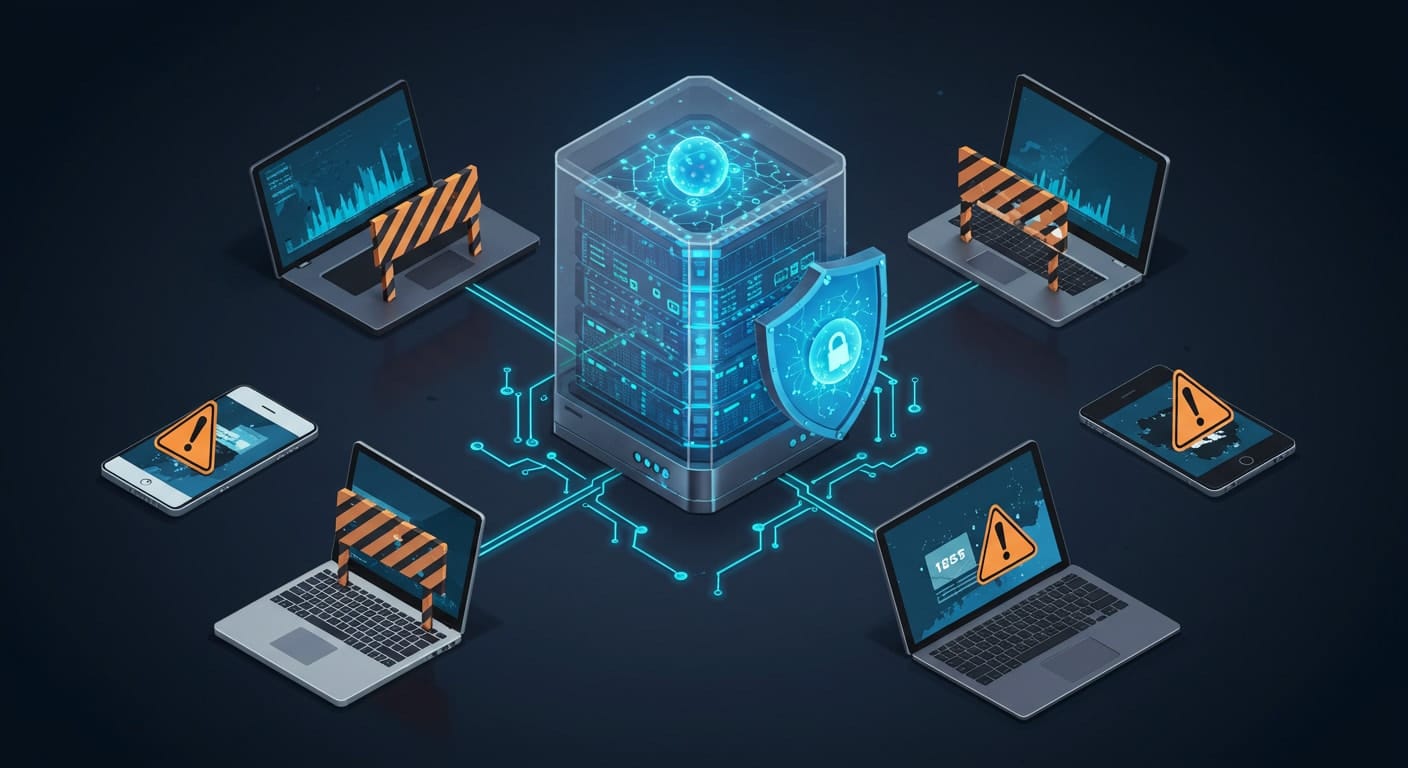
How Cloud Desktops Support DEI in Higher Education?

Quick Answer

How Do Cloud Desktops Support Diversity, Equity, and Inclusion in Higher Education?

Cloud desktops support diversity, equity, and inclusion in higher education by giving all students consistent access to software, virtual labs, and learning resources from any device or location. They reduce barriers tied to hardware, campus access, and scheduling. Platforms like Apporto provide browser-based environments designed for equitable learning.

For a long time, access to education was tied to place. A classroom, a lab, a campus network. If you could reach those, you were in. If not, things became harder, sometimes quietly, sometimes all at once.

In many higher education institutions, diversity and inclusion are priorities, but equity often runs into practical limits. Devices differ. Internet access varies. Some students work with advanced tools, others make do with what’s available. It’s uneven, and the gap shows up in performance, not just experience.

Remote learning made this more visible, not less. Equal access to learning resources isn’t just a principle, it’s a requirement for meaningful participation.

In this blog, you’ll see how cloud desktops help close these gaps by making access to tools, software, and learning environments more consistent across all students.


What Challenges Prevent Equal Access to Education Today?

Inequality in education often begins with something basic, the tools you can use, and the ones you can’t. That gap doesn’t always look dramatic. Sometimes it’s subtle. But it adds up.

  • Device Inequality: Not every student has a high-performance personal computer. Running engineering software or data science tools on older machines can be frustrating, sometimes impossible.
  • Location Constraints: Traditional computer labs still require physical presence. If you’re not on campus, access becomes limited, or delayed, or both.
  • Limited Software Access: Specialized software is often locked inside campus systems, tied to specific environments that don’t extend beyond them.
  • Time Constraints: Fixed lab hours don’t align with everyone’s schedule. Students balancing jobs or caregiving responsibilities are left working around systems that don’t adapt.
  • IT Resource Limitations: Many institutions operate with smaller IT teams. Supporting a large, diverse group of users under those conditions isn’t easy.

Budget constraints and staffing challenges make it harder to close these gaps. And demand for flexible access keeps growing. Over time, these differences shape outcomes. Not just experiences, but results.


What Are Cloud Desktops and How Do They Work in Education?

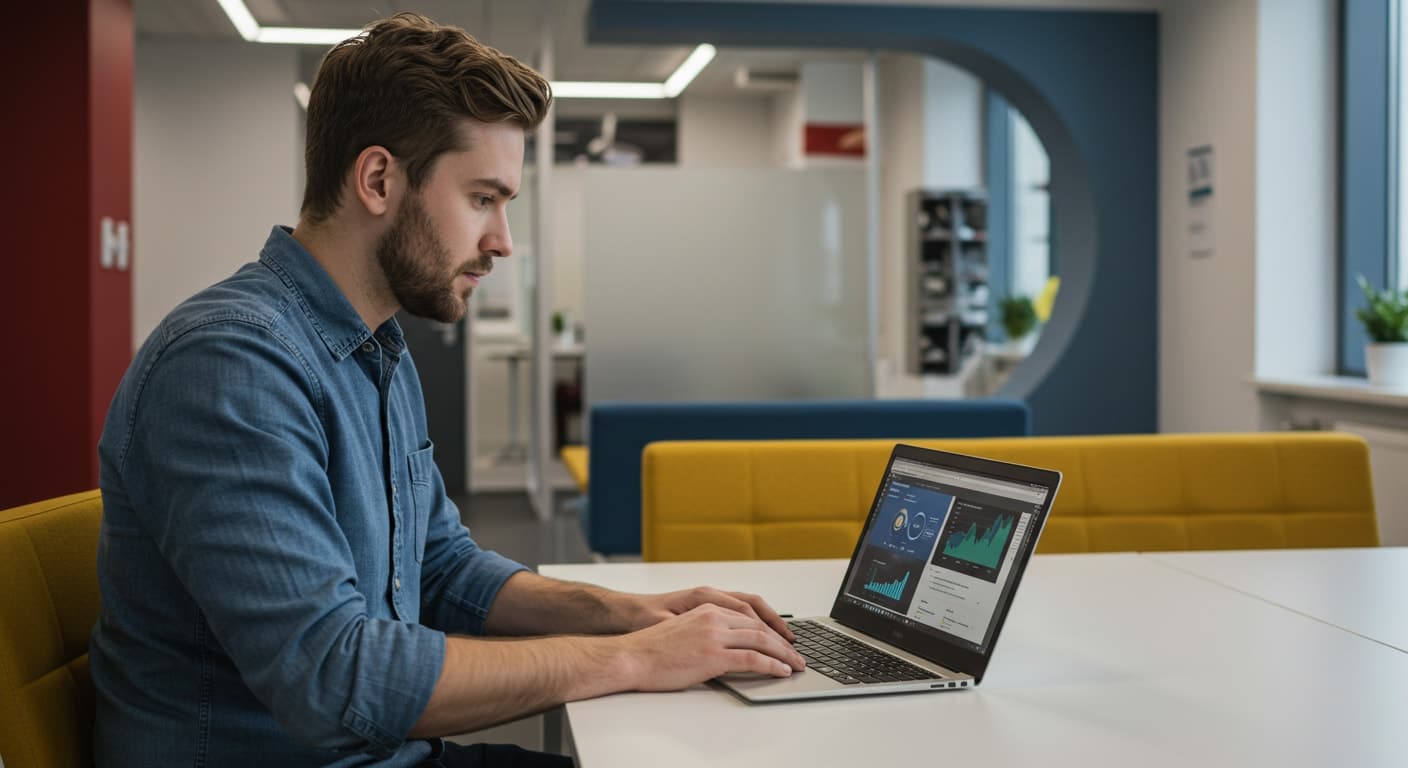
Student accessing a full virtual desktop through a browser on a basic laptop, with cloud data center in the background.

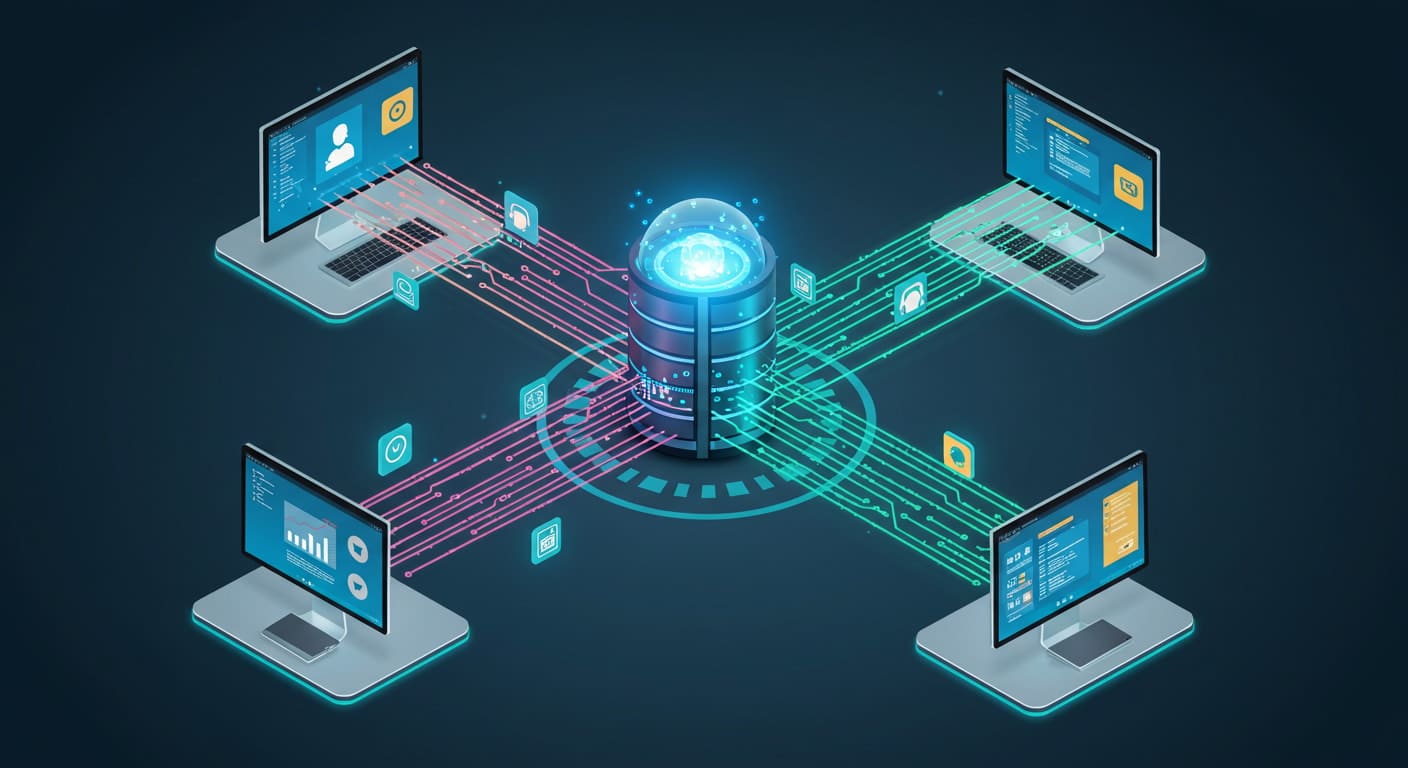
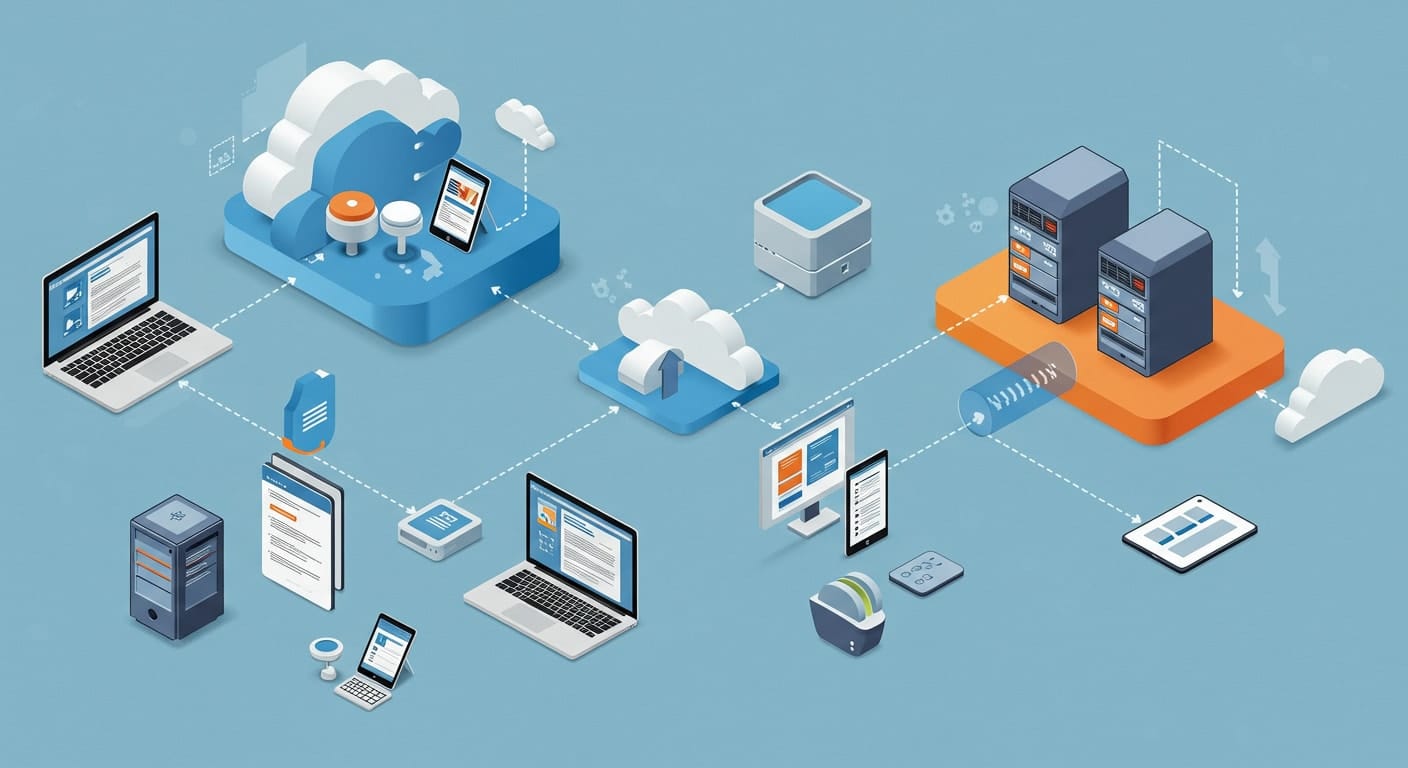
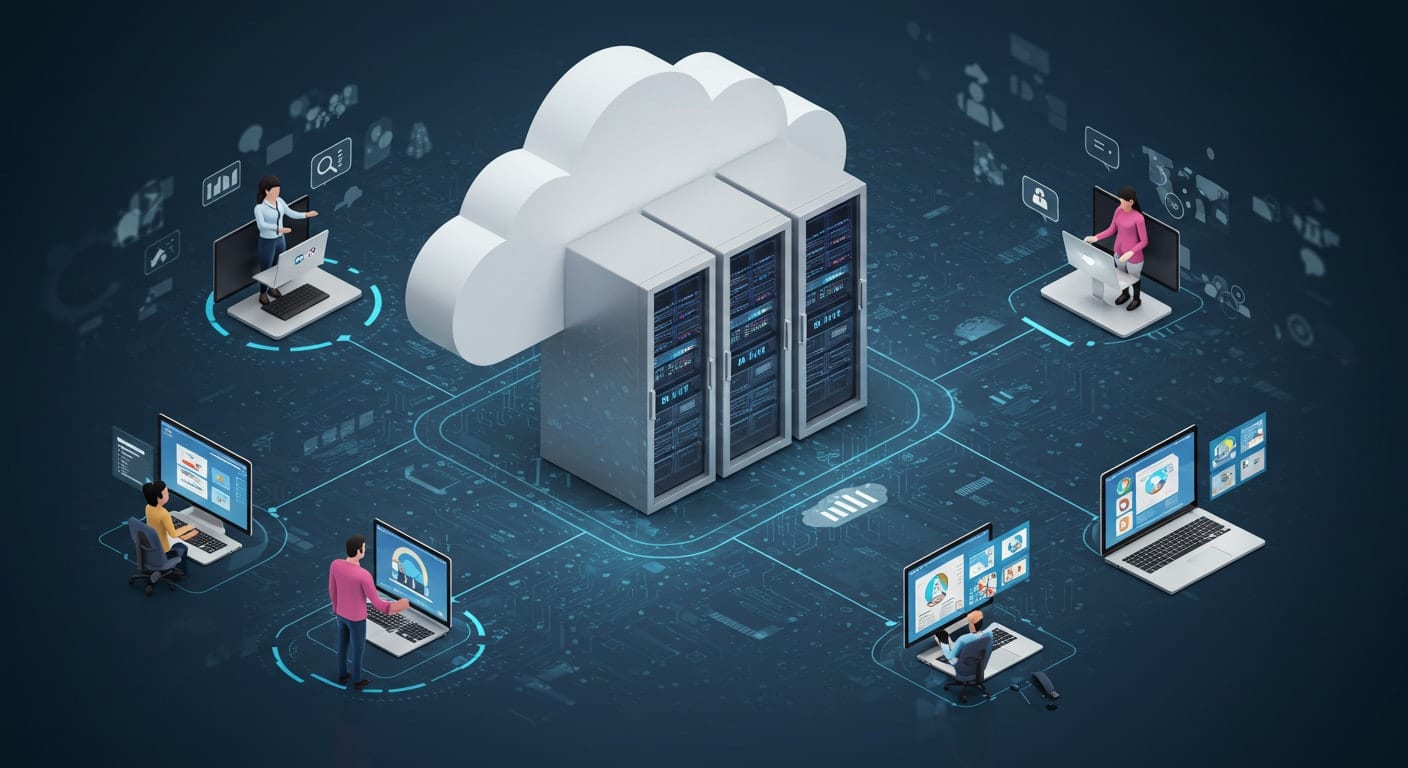
A cloud desktop is, at its core, a virtual desktop. It doesn’t run on your personal device. Instead, it lives in a data center, part of a larger cloud infrastructure managed by external providers. You access it remotely, usually through a browser or a lightweight app.

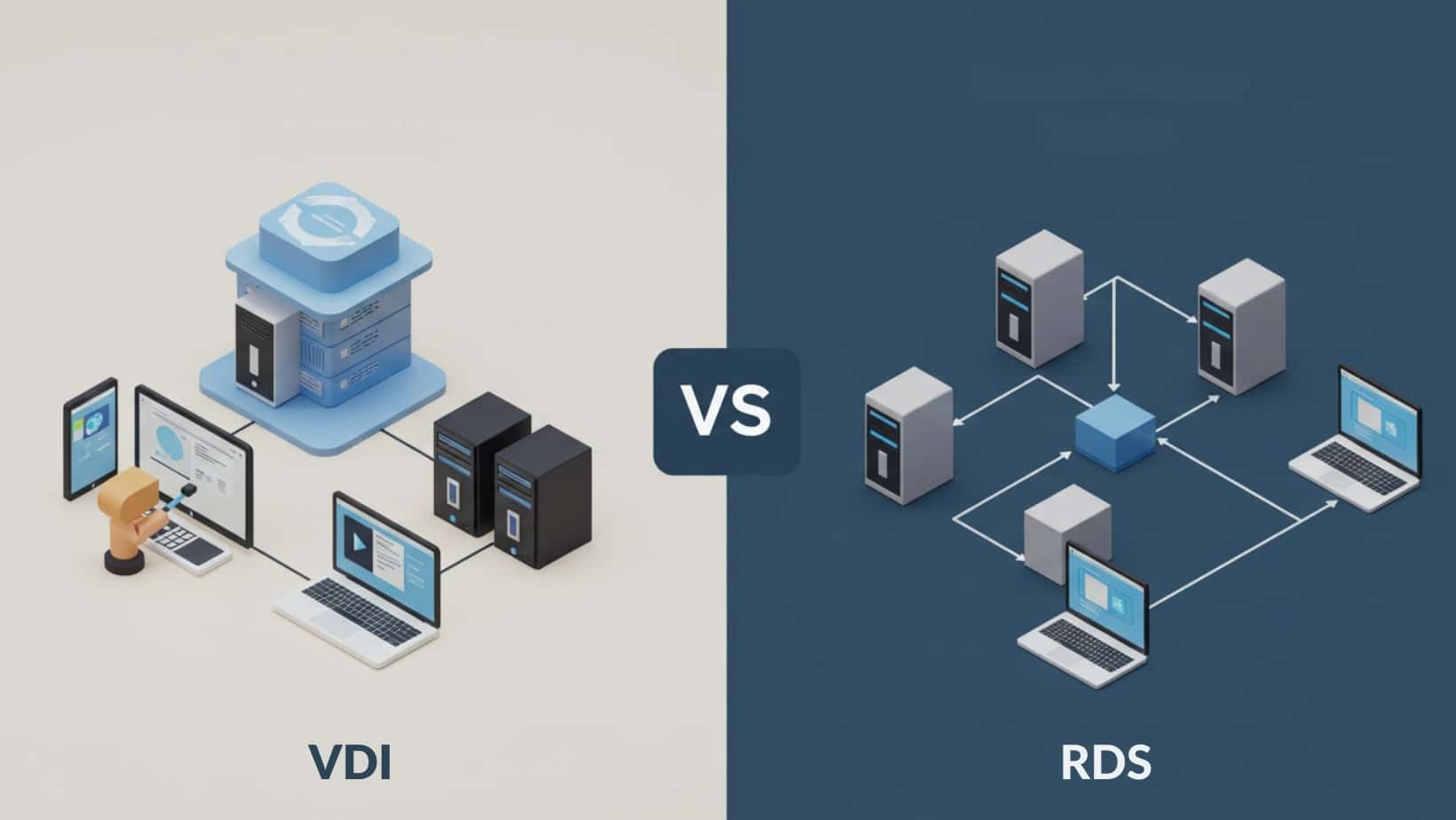
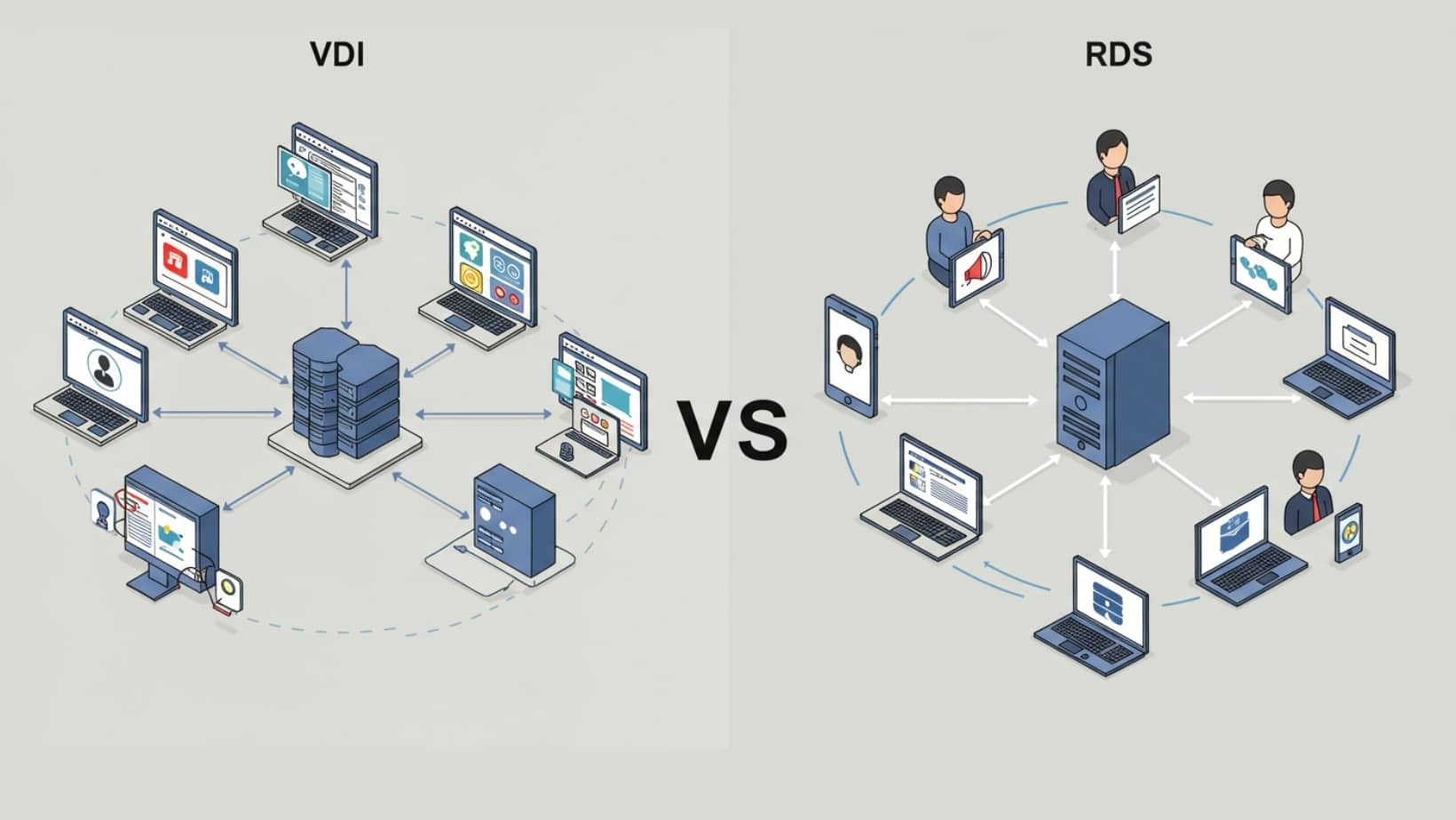
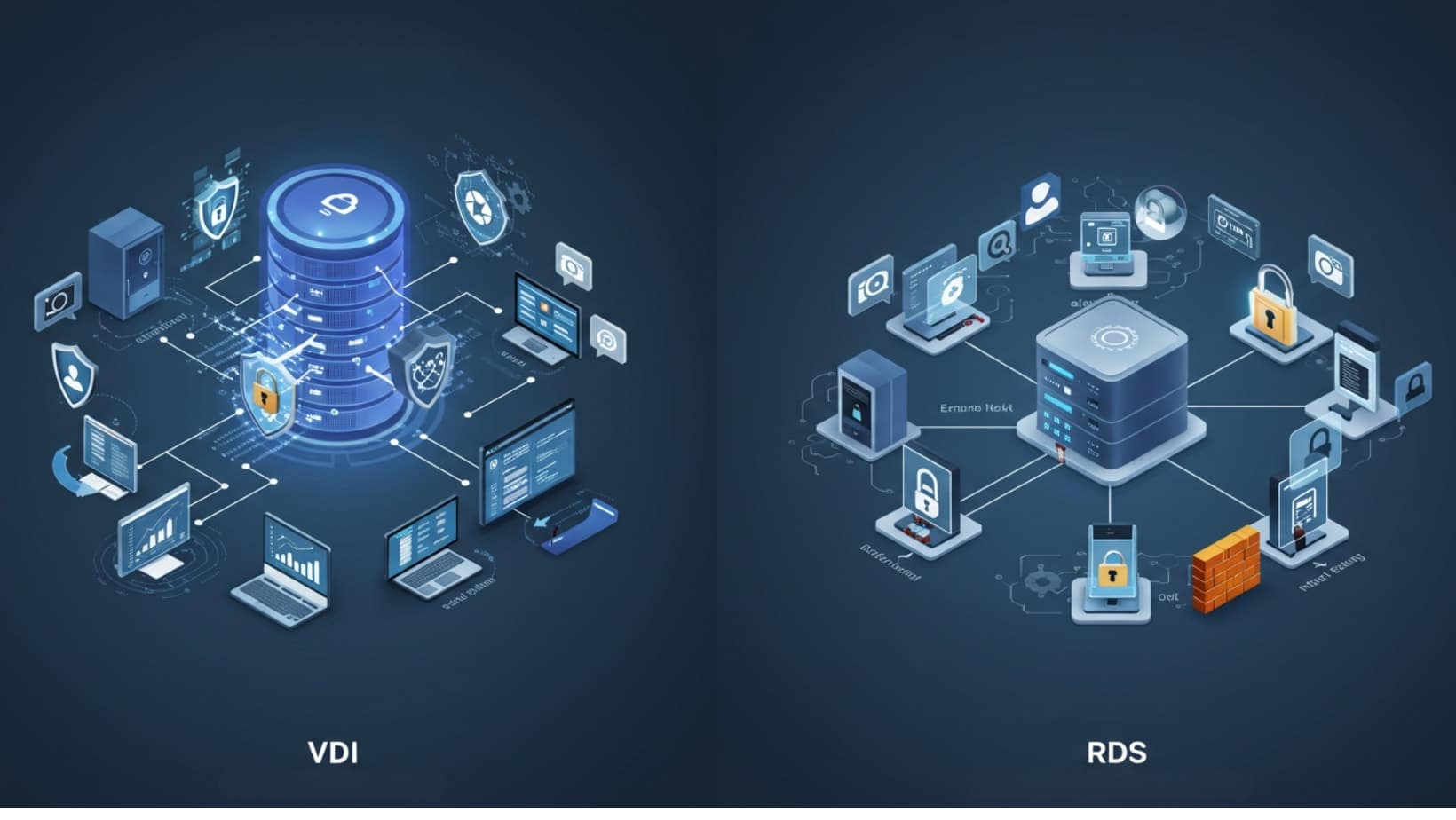
That’s where virtual desktop infrastructure (VDI) comes in. It’s the system that delivers these desktops to you, streaming the experience over an internet connection. What you see on your screen isn’t happening locally. It’s being processed elsewhere, then delivered in real time.

This changes a few things. You’re no longer limited by your device. A basic laptop can access the same environment as a high-end machine. Institutions can deliver Windows apps and full desktops without worrying about individual setups.

Behind the scenes, cloud providers handle infrastructure management. Servers, storage, updates, all of it. Which means less dependency on local machines. And more consistency in how resources are accessed, regardless of where you are.


How Do Cloud Desktops Improve Access and Equity for Students?

Cloud desktops remove that dependency on physical labs. You don’t need to be on campus. You don’t need a specific machine. What matters is the connection, and even that doesn’t have to be perfect, just stable enough.

That alone changes how learning fits into daily life.

  • Access from Any Device: You can use personal devices, even lower-powered ones, and still run demanding applications without friction.
  • Learn from Anywhere: There’s no requirement to be in a specific room at a specific time. Remote learning becomes practical, not just theoretical.
  • Consistent Desktop Experience: The same tools, same interface, same setup follow you across devices. No surprises, no reconfiguration.
  • 24/7 Availability: You can access resources anytime. Late evenings, early mornings, in between responsibilities. It adapts to your schedule, not the other way around.
  • Support for Non-Traditional Students: Those balancing jobs, caregiving, or living away from campus gain the same level of access as anyone else.

Students can access desktops anytime, anywhere. And more importantly, they get a consistent experience each time they log in. Over time, that consistency builds something important. A foundation where access isn’t uneven, but shared.


How Do Cloud Desktops Support Inclusion and Accessibility?

Student using a cloud desktop with screen reader and accessibility tools enabled, highlighting inclusive learning environment.

Access is only one part of the equation. Inclusion goes a bit deeper. It asks a different question, can everyone actually use what’s being provided?

Cloud desktops help answer that, not perfectly, but meaningfully.

  • Assistive Technologies: Tools like screen readers can be integrated directly into the environment, making it easier for students with disabilities to navigate and engage with course materials.
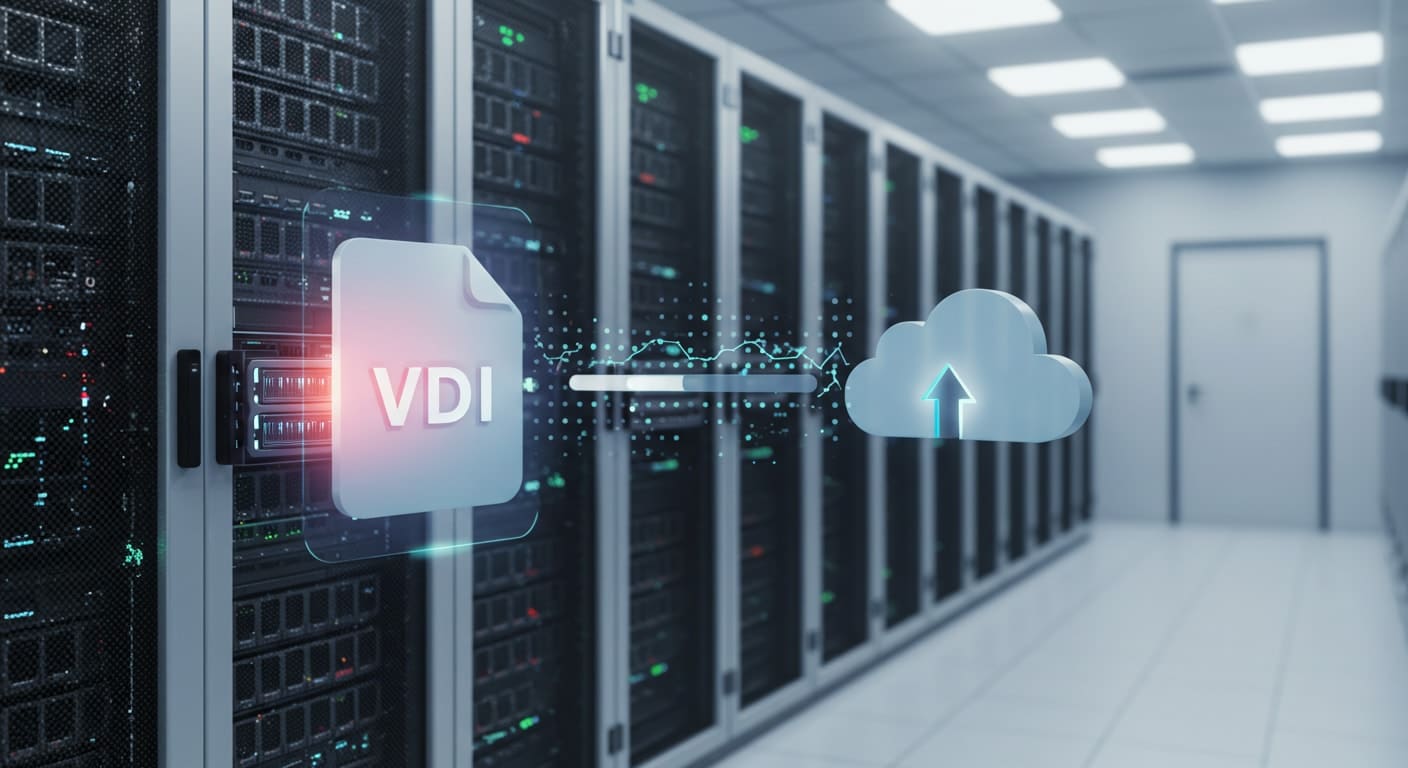
  • Language Support: Built-in translation and live captioning reduce barriers for non-native speakers or students who process information differently. Small details, but they matter.
  • Flexible Learning Environments: You can adjust the setup based on personal needs. Display settings, input methods, accessibility tools, all within reach.
  • Device Independence: You’re not limited by hardware. Different devices, different operating systems, same level of access. That removes a layer of inequality that often goes unnoticed.

Cloud desktops support accessibility tools in a way that’s consistent, not fragmented. And that consistency makes a difference.

Over time, inclusion becomes less about adding features, and more about designing environments where participation feels natural, not forced.


How Do Cloud Desktops Enable Collaboration Across Diverse Student Communities?

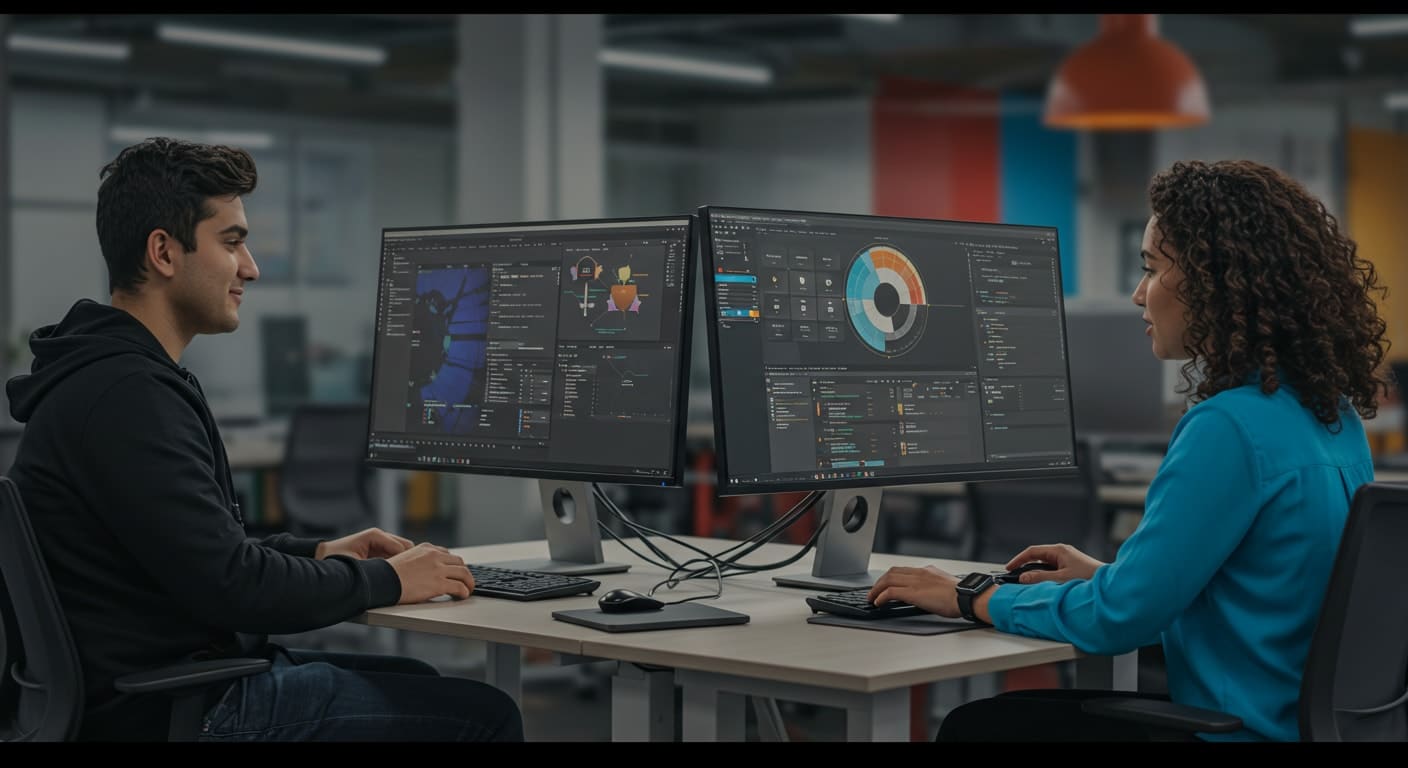
Cloud desktops create shared environments where students can work together in real time, even if they’re in completely different locations. Same tools, same setup, no mismatch in software or capability. That removes a layer of friction that usually slows things down.

You’re not sending files back and forth, hoping versions align. You’re working inside the same space. This matters more than it seems.

Students collaborate across regions, across time zones, sometimes across cultures. Different perspectives come into the same workflow without the usual technical barriers getting in the way. It’s less about where you are, more about what you can contribute.

Hybrid programs benefit from this too. Some students are on campus, others remote, but the environment stays consistent.

Cloud platforms break down geographic limits. And once those limits fade, collaboration starts to feel less constrained, more fluid, more natural.


What Role Do Cloud Desktops Play in Reducing Costs and Expanding Access?

University replacing physical computer labs with cloud desktop access on personal devices.

Cost is often the quiet barrier behind access. Not always visible, but always there. Traditional computer labs require significant investment. Hardware, maintenance, upgrades, energy, it adds up quickly. And for many institutions, especially those managing limited budgets, that creates real constraints.

Cloud desktops take a different approach.

Cost Area Traditional Labs Cloud Desktops
Hardware High upfront investment Reduced reliance on devices
Maintenance IT-intensive Provider-managed
Scaling Limited by infrastructure On-demand scalability
Energy Use High consumption Efficient data centers


You don’t need to refresh hardware every few years. You don’t need to maintain large physical labs. Infrastructure becomes something you access, not something you constantly manage.

The model becomes more predictable too. Subscription-based, easier to plan around, easier to adjust.

There’s also efficiency behind the scenes. Cloud environments tend to reduce energy consumption, and studies have shown returns as high as $3.86 for every dollar invested in cloud migration.

Over time, those savings translate into something more meaningful. More access. More availability. Fewer limits tied to cost.

How Do Cloud Desktops Help Institutions Scale and Meet Growing Demand?

Demand in higher education doesn’t move in a straight line. It spikes. It dips. Then spikes again, usually when you least expect it.

Enrollment surges. New online programs launch. Hybrid courses expand faster than planned. And suddenly, existing systems feel tight. Cloud desktops handle this differently.

You don’t provision hardware months in advance. You allocate resources as needed, almost in real time. More students, more desktops. Fewer users, scale it back. It’s flexible in a way traditional infrastructure rarely is. That matters during peak periods.

Enrollment spikes don’t overwhelm the system. Online course demand doesn’t require emergency upgrades. You adjust computing resources without rebuilding anything underneath.

Cloud desktops scale quickly because they’re not tied to physical machines. That separation makes a difference.

And as hybrid and remote programs continue to grow, institutions need systems that expand without friction. Not perfectly, but reliably enough to keep pace.


What Security and Compliance Benefits Do Cloud Desktops Provide?

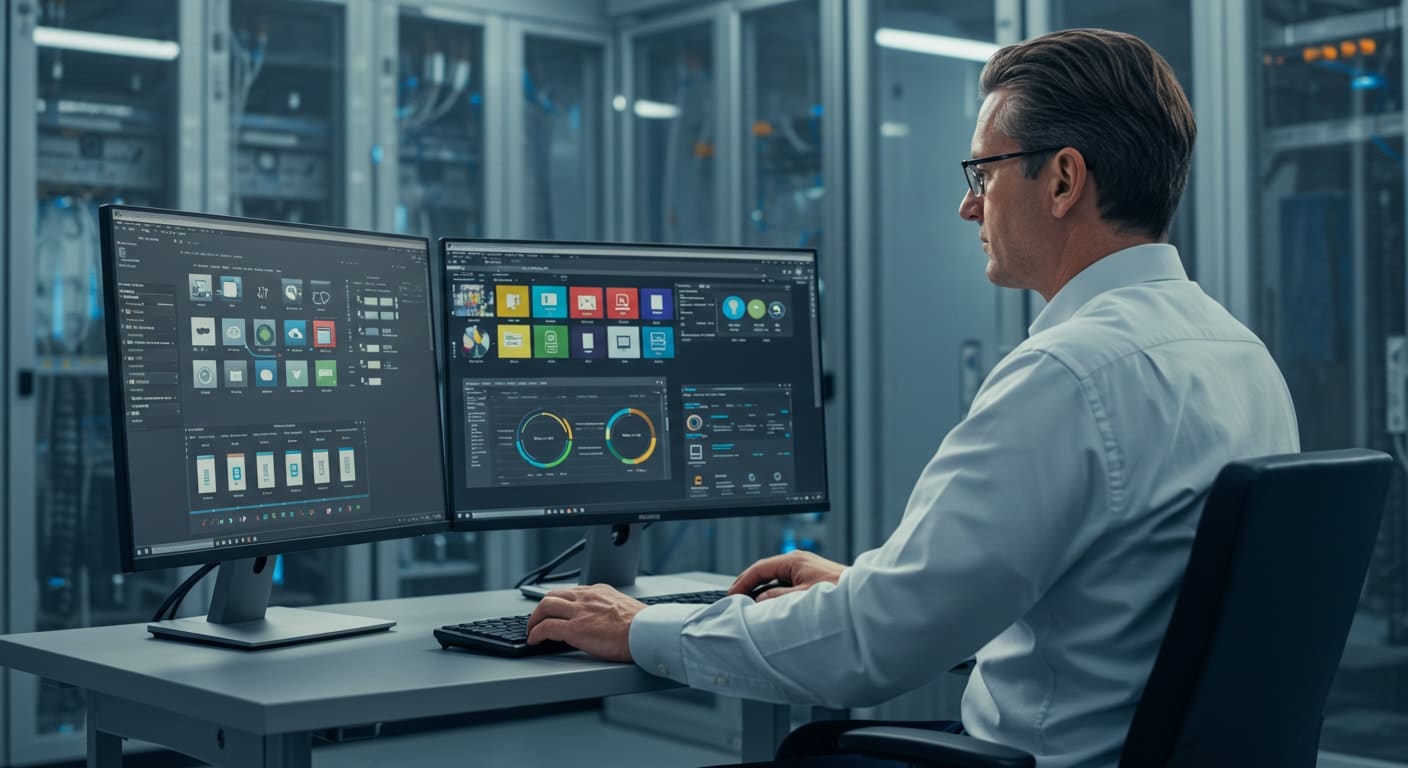
University IT admin monitoring security dashboard with cloud-based desktops and controlled access.

Security in higher education has become more complicated, and more urgent. The numbers tell part of the story. Cyberattacks increased by 70% in recent years, and many institutions are still working with limited resources. That gap is difficult to manage.

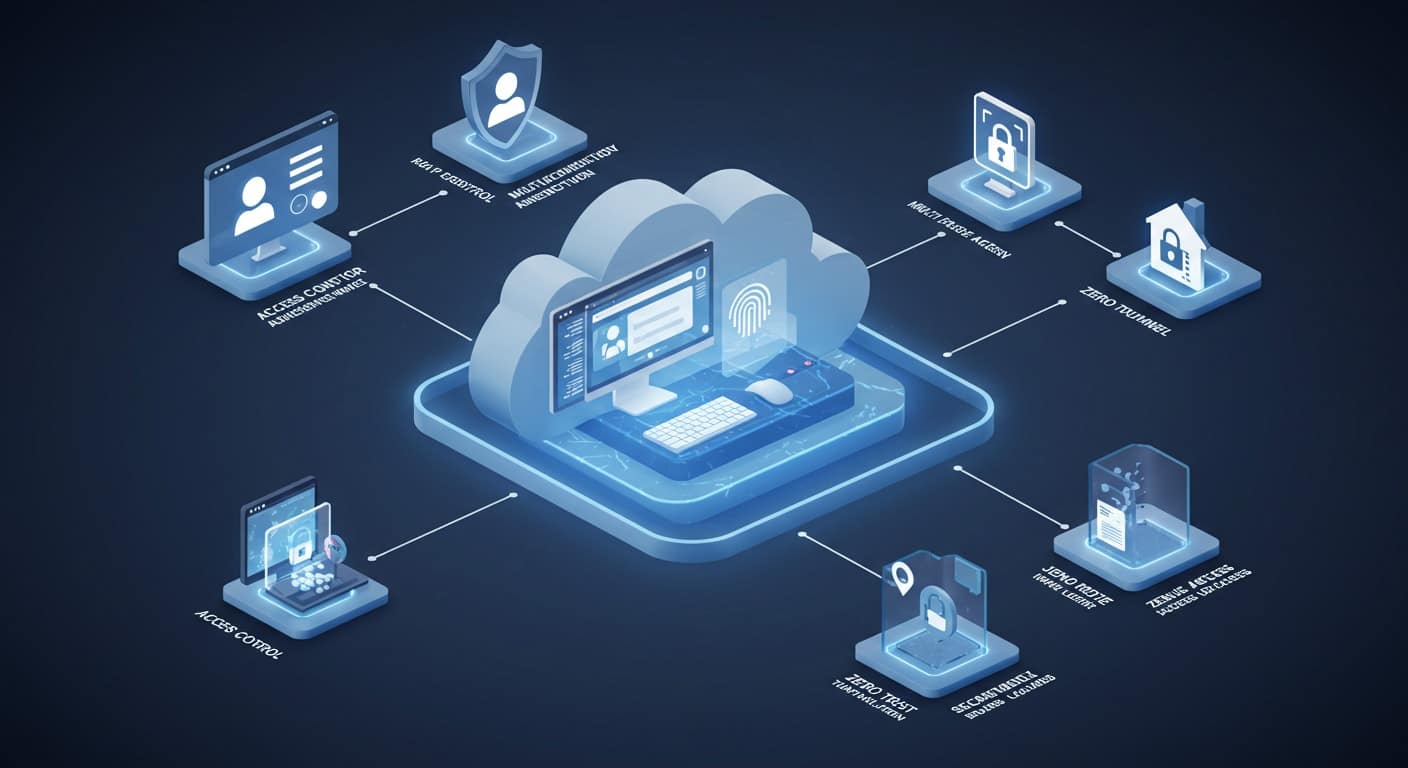
Cloud desktops reduce some of that pressure by centralizing institutional data. Instead of spreading across devices, it stays within controlled environments. That alone lowers the risk tied to endpoints.

You’re not relying on individual machines to stay secure. The control moves inward.

There’s also the matter of compliance. Regulations don’t go away, and meeting them across distributed systems is challenging. Cloud providers invest heavily in security infrastructure, often beyond what individual institutions can maintain on their own.

So part of the responsibility shifts. Not entirely, but enough to make it manageable. In the end, it’s about reducing exposure. Fewer weak points. More control over where data lives and how it’s accessed.


Why Apporto Is Built to Support DEI in Higher Education?

Homepage banner showing Apporto’s cloud desktop solutions with virtual desktops, AI tutoring, and academic integrity features highlighted for higher education institutions.

Some solutions try to fit into existing systems. Others seem designed around the problems themselves. Apporto leans toward the second.

It runs directly in the browser, which removes a lot of the usual friction. No installs, no device-specific setup, no dependency on high-end hardware. You open it, log in, and the environment is there.

It works across devices, so students using different systems still access the same tools. It removes the need for physical labs, which quietly eliminates one of the biggest access barriers. And because everything is centralized, IT teams don’t have to manage complexity at the device level. Accessibility features remain consistent. Inclusion becomes part of the setup, not an afterthought.


Final Thoughts

When you step back, the pattern becomes clearer. Access leads to participation. Participation leads to outcomes. And when access is uneven, everything that follows tends to reflect that imbalance.

Cloud desktops don’t solve every problem. But they address something foundational. They make access more consistent, which supports equity. And over time, that consistency allows inclusion to take hold in a more practical way.

It’s not about adding more tools. It’s about changing how those tools are delivered. Because in the end, opportunity often follows access. And the systems you build, quietly, steadily, determine who gets to move forward.


Frequently Asked Questions (FAQs)


1. What are cloud desktops in higher education?

Cloud desktops are virtual desktop environments hosted in remote data centers and delivered over the internet. You access them through a browser, allowing you to use institutional software, tools, and resources without relying on a physical computer or campus lab.

2. How do cloud desktops support DEI?

Cloud desktops support diversity, equity, and inclusion by providing equal access to the same tools and environments for all students. They remove barriers tied to devices, location, and resources, helping create a more consistent and fair learning experience.

3. Can students use cloud desktops on any device?

Yes, cloud desktops are designed to work across a wide range of devices, including older laptops, Chromebooks, and tablets. Since computing happens in the cloud, your device simply acts as a window into the environment.

4. Are cloud desktops secure for institutions?

Cloud desktops improve security by keeping data centralized and off personal devices. With encryption, access controls, and provider-managed infrastructure, institutions can better protect sensitive data while maintaining compliance with security standards.

5. Do cloud desktops replace computer labs?

Not entirely. Cloud desktops reduce reliance on physical labs by enabling remote access, but many institutions adopt a hybrid model. This allows both on-campus and remote students to access the same resources without limitations.

What Are Cloud Desktops? A Complete Guide

Quick Answer

What Are Cloud Desktops?

A cloud desktop lets you access a full desktop environment from anywhere using an internet connection, without needing a powerful local computer. It centralizes data, reduces maintenance, and supports remote work, while solutions like Apporto provide secure, ready-to-use environments through the browser.

The desktop used to be a place. A box under a desk. A fixed screen in a fixed room. That assumption has quietly collapsed, and cloud desktops are what rushed in to fill the gap.

Work now happens across homes, offices, airports, call centers, and classrooms. People switch devices mid-day. Data moves constantly.

Traditional desktops and physical PCs struggle in that environment because they were built for stability, not mobility. Each new device adds friction. Each location adds risk. And suddenly IT teams are managing dozens, sometimes hundreds, of individual machines instead of one coherent system.

That strain shows up in security incidents, support tickets, and ballooning costs. It also explains why so many people are asking the same question: what are cloud desktops, and why do they keep coming up now? The technology promises something familiar, a desktop, without the old constraints.

Going ahead, the focus changes from the buzzword to the mechanics, the trade-offs, and why access has become just as important as computing power itself.


What Are Cloud Desktops, in Simple Terms?

At the most basic level, cloud desktops are virtual desktops that live in the cloud instead of on a physical computer. The screen, operating system, applications, and data exist on remote cloud infrastructure, while you interact with them through a device you already have. That device becomes a window, not the engine.

You will also hear cloud desktops called Desktop as a Service, or DaaS. The idea is similar to other cloud services you already use.

The desktop is delivered on demand, maintained by a provider, and accessed when you need it. There is no need to buy or manage a dedicated physical PC for every user.

A cloud desktop solution works because the heavy computing happens elsewhere. Users connect over an internet connection from laptops, tablets, or even older machines that no longer have much computing power. The experience stays consistent because the desktop itself does not change when the device does.

In simple terms, cloud desktops are:

  • Hosted in the cloud rather than on a local machine
  • Not tied to a physical computer or office location
  • Accessed through an internet connection from various devices
  • Managed centrally by IT teams or service providers

This approach removes the desktop from the desk. What stays is the familiar environment users expect, delivered in a more flexible way.


How Do Cloud Desktops Actually Work Behind the Scenes?

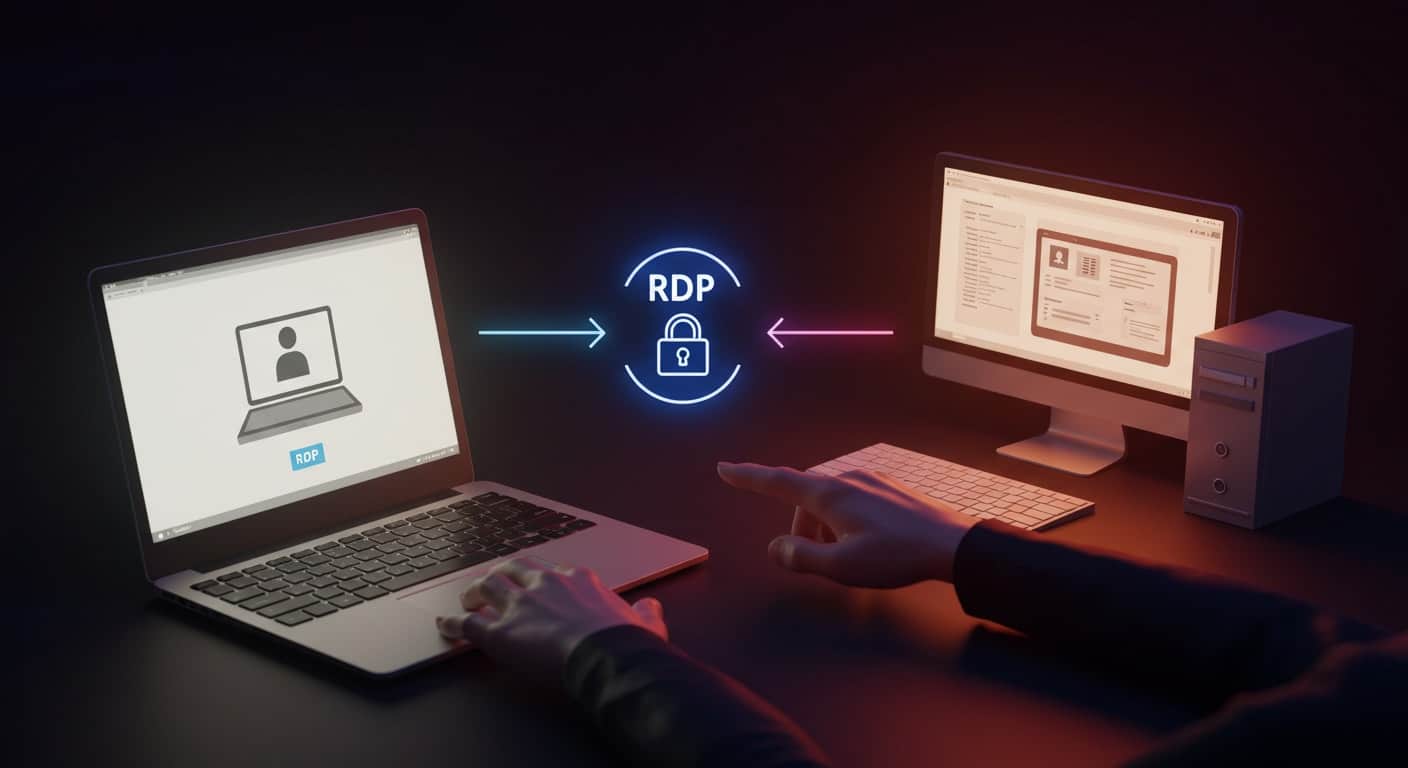
Illustration of encrypted connection streaming desktop display to a laptop with inputs flowing back to the server.

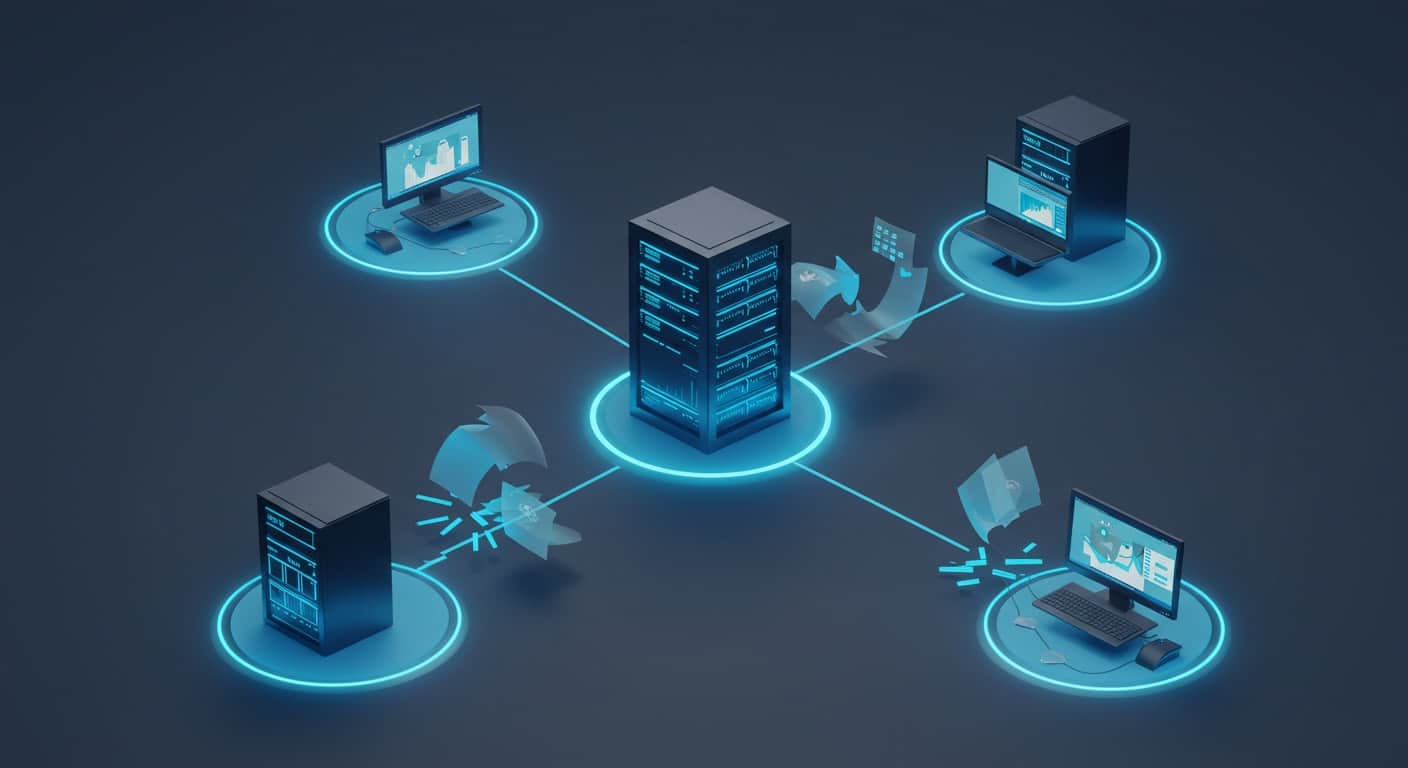
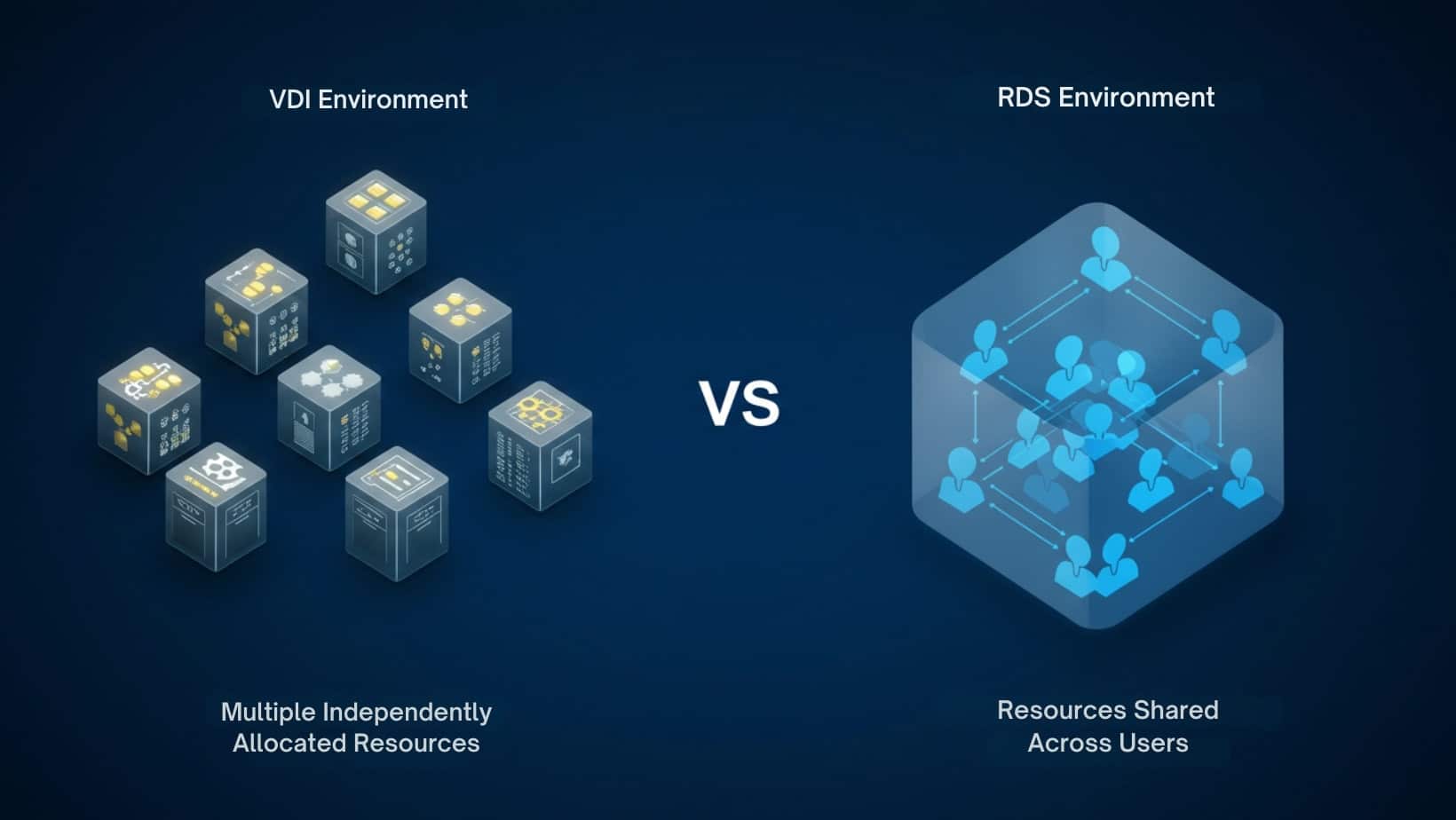
Behind the screen, cloud desktops rely on virtualization technology. Instead of one operating system running on one physical machine, many virtual desktops run on shared physical servers inside cloud data centers. Each user gets their own isolated environment, even though the hardware is shared.

A layer known as virtual desktop infrastructure makes this possible. The VDI layer separates the desktop environment from the underlying hardware.

Computing resources such as CPU, memory, and storage are allocated dynamically based on demand. When a user logs in, resources are assigned. When they log out, those resources return to the pool.

Data and operating systems live inside secure cloud infrastructure, not on local devices. That means files, applications, and settings stay in the same place, regardless of where or how users connect. Secure connections stream the desktop experience to the user and send inputs back to the server.

At a technical level, this setup includes:

  • A virtual desktop infrastructure layer that manages sessions
  • Centralized cloud infrastructure hosted in data centers
  • Isolated user environments for security and consistency
  • Secure connections between users and their desktops

This design allows many desktops to run efficiently while keeping user experiences separate and controlled.


How Are Cloud Desktops Different From Traditional Desktops?

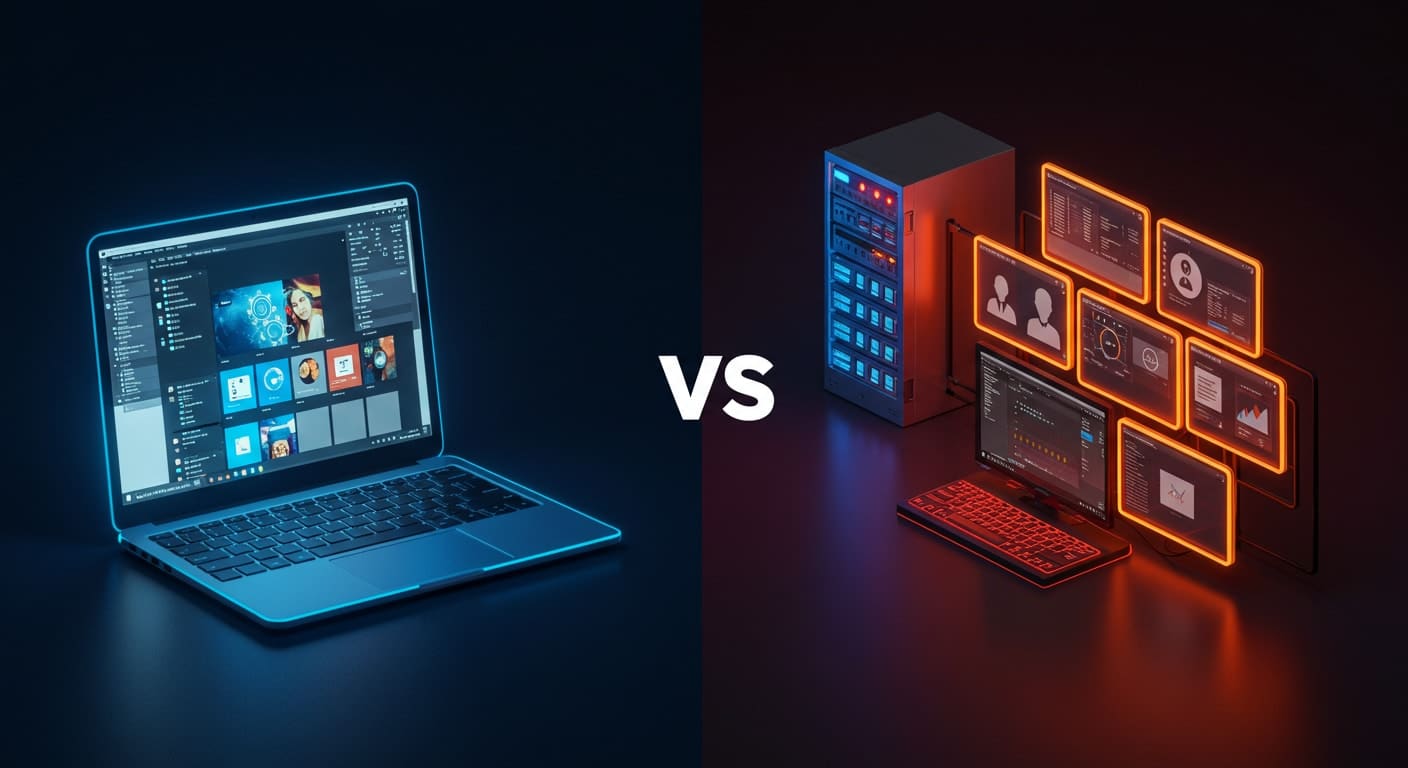
The difference becomes clear once you stop thinking about the desktop as a piece of hardware and start thinking about it as a service. Traditional desktops are built around physical PCs. Cloud desktops are built around access.

Here is the contrast at a glance:

Traditional Desktops Cloud Desktops
Runs on physical PCs Hosted in the cloud
Tied to one device Accessible from many devices
Local data storage Centralized data
High maintenance Vendor-managed
Hard to scale Scales on demand


With traditional desktops, everything depends on the physical hardware sitting on or under a desk. Performance is limited by that machine.

When it fails, work stops. When software needs updating, IT teams touch each device, often one by one. Over time, this creates a heavy maintenance burden that pulls attention away from more strategic work.

Security is another pressure point. Data stored on local devices increases exposure. Lost laptops, outdated systems, and inconsistent patching all raise risk. Protecting sensitive information becomes harder when it is scattered across hundreds of physical PCs.

Cloud desktops remove many of these constraints. The physical hardware lives in secure data centers, and users connect to it instead of carrying data with them.

IT teams manage desktops centrally, apply policies once, and scale resources as needed. The desktop becomes easier to maintain, easier to secure, and far more flexible than a traditional setup ever allowed.


Cloud Desktops vs Traditional VDI: What’s the Real Difference?

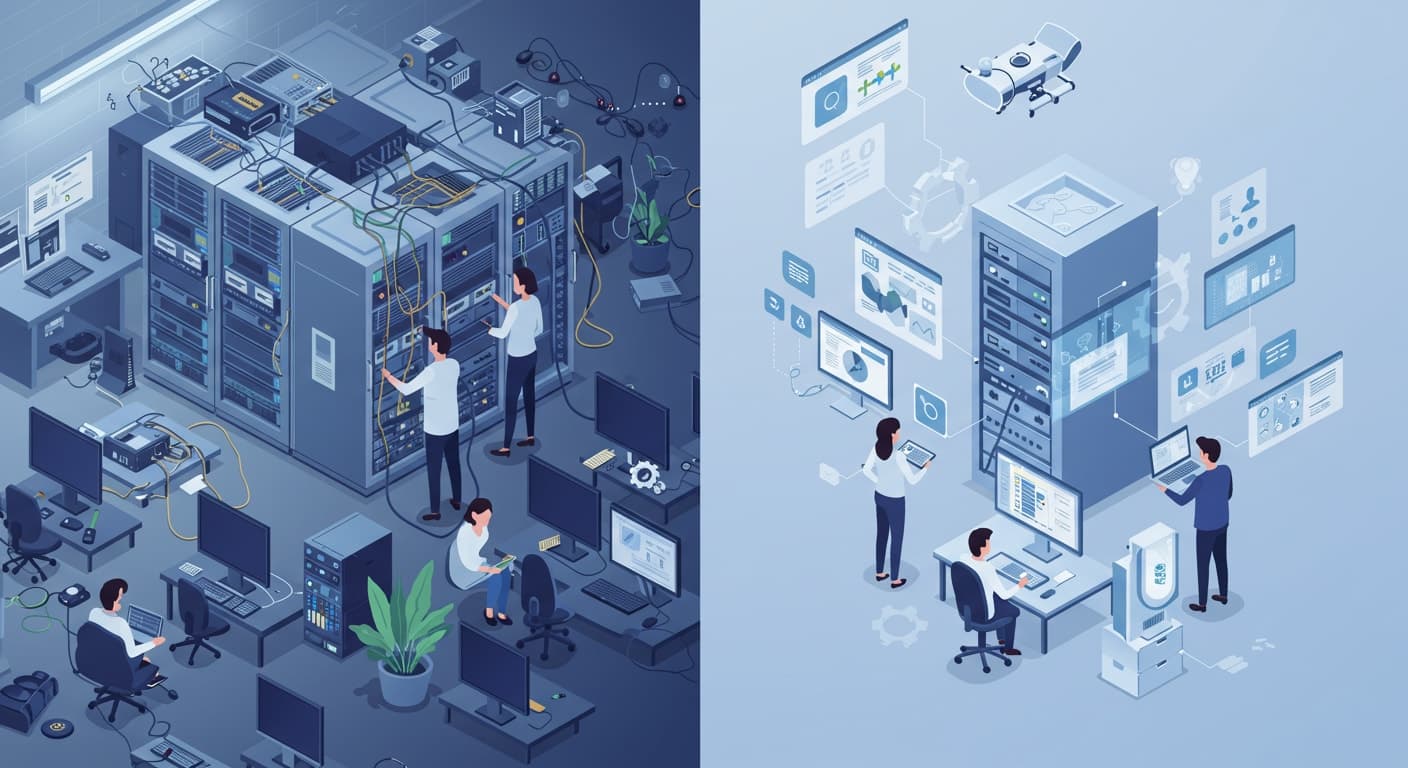
Split-screen comparison showing on-premises data center racks labeled Traditional VDI versus cloud-hosted infrastructure labeled Cloud VDI.

At first glance, cloud desktops and traditional VDI look similar. Both rely on virtual desktop infrastructure, and both separate the desktop environment from the user’s physical device. The real difference shows up in where that infrastructure lives and who is responsible for running it.

Traditional VDI runs on premises, inside a company’s own data center. That means organizations must purchase physical servers, storage, networking equipment, and licenses upfront.

IT teams manage everything, from updates and patches to capacity planning. This model offers control, but it comes with complexity and significant capital expense.

Cloud VDI moves that same virtual desktop infrastructure into the cloud. Providers such as Microsoft Azure and Google Cloud host the computing power, storage, and networking.

Instead of buying hardware, organizations pay for what they use through an operating expense subscription model. Scaling up or down becomes faster because resources are not limited by physical equipment sitting in a server room.

Here is how the two approaches compare:

Traditional VDI Cloud VDI
On-premises data center Hosted in the cloud
CapEx-heavy OpEx subscription
Internally managed Vendor-managed
Complex deployments Faster setup
Harder to scale Elastic scaling


In practical terms, cloud VDI reduces infrastructure overhead and increases flexibility. Traditional VDI can still make sense in tightly controlled environments, but cloud VDI offers a simpler path for organizations that need agility, predictable costs, and easier scaling.


What Devices Can You Use to Access a Cloud Desktop?

One of the quiet advantages of cloud desktops shows up the moment access becomes simple. You are no longer locked to a single physical device sitting under a desk. Users connect through the internet, and the cloud desktop follows them, not the hardware.

Because the desktop environment lives in the cloud, access becomes device agnostic. Existing devices stay useful longer, and physical hardware does not need to be refreshed as often. That alone changes how organizations think about endpoints and refresh cycles.

Common devices used to access a cloud desktop include:

  • Laptops and desktops
    Standard Windows, macOS, or Linux machines can connect through a browser or client application.
  • Tablets and mobile devices
    iOS and Android devices allow quick access for review tasks, approvals, or light work on the go.
  • Thin clients
    Lightweight physical devices designed only to connect to a remote desktop, often used for secure environments.
  • Shared computer labs
    Cloud desktops work well in education and training settings where multiple users rotate through the same machines.
  • Personal devices (BYOD)
    Employees use their own physical device while data remains centralized and secure in the cloud.

This flexibility sets the stage for the next question, why organizations actively choose cloud desktops over traditional setups.


Why Do Businesses Use Cloud Desktops? Key Benefits Explained

Business dashboard highlighting cost savings from reduced hardware spending and subscription-based cloud desktops.

Once device flexibility is in place, the business case becomes clearer. Cloud desktops are not adopted for novelty, they solve practical problems that pile up with traditional desktops and on premises systems.

Cost efficiency often leads the conversation. Organizations reduce spending on physical PCs, replacement cycles, and unexpected hardware failures. Instead of large upfront purchases, costs align more closely with actual usage.

Security follows close behind. Data lives in centralized cloud infrastructure, not scattered across local devices. If a laptop is lost or stolen, sensitive data remains protected. Centralized policies also make it easier to enforce access controls and security standards.

Centralized management simplifies life for IT teams. Updates, patches, and configuration changes happen in one place, rather than across hundreds or thousands of individual devices. That saves time and reduces configuration drift.

Key benefits businesses consistently point to include:

  • Cost savings on hardware and extended device lifespan
  • Reduced ongoing maintenance for IT teams
  • Centralized management tools and policy control
  • Faster onboarding for new users or temporary staff
  • Flexible resource allocation based on real demand
  • Rapid scaling up or down as teams grow or contract

Together, these benefits explain why cloud desktops continue to gain traction across industries, from call centers to education and distributed workforces.


How Cloud Desktops Improve Security Compared to Physical PCs

Security becomes the deciding factor once data starts moving beyond office walls. Physical PCs were designed for a time when work stayed inside buildings. That assumption no longer holds. Cloud desktops change the security model by moving data away from endpoints and into controlled cloud environments.

With a cloud desktop, sensitive data stays in the cloud. Files, applications, and operating systems run inside secured data centers rather than on local hard drives. If a device is lost, stolen, or damaged, the exposure is limited because nothing critical lives on that physical PC. Access can be revoked instantly without chasing hardware.

Cloud desktop solutions also benefit from stronger, more consistent security features than most individual devices ever receive. Updates, patches, and security policies apply centrally, reducing gaps that attackers often exploit on unmanaged machines. IT teams gain visibility instead of guessing which devices are up to date.

Key security advantages include:

  • Centralized data storage
    Sensitive data remains inside cloud infrastructure instead of being scattered across laptops and desktops.
  • Multi-factor authentication
    Access requires more than a password, lowering the risk of unauthorized entry.
  • Enhanced security posture
    Centralized monitoring helps detect unusual behavior across user environments.
  • Policy-based access controls
    Permissions are enforced consistently based on role, location, or device type.
  • Reduced exposure on local devices
    Even compromised endpoints provide limited access without valid authentication.

Compared to physical PCs, cloud desktops reduce risk by design rather than relying on perfect user behavior.


Common Use Cases for Cloud Desktops Across Industries

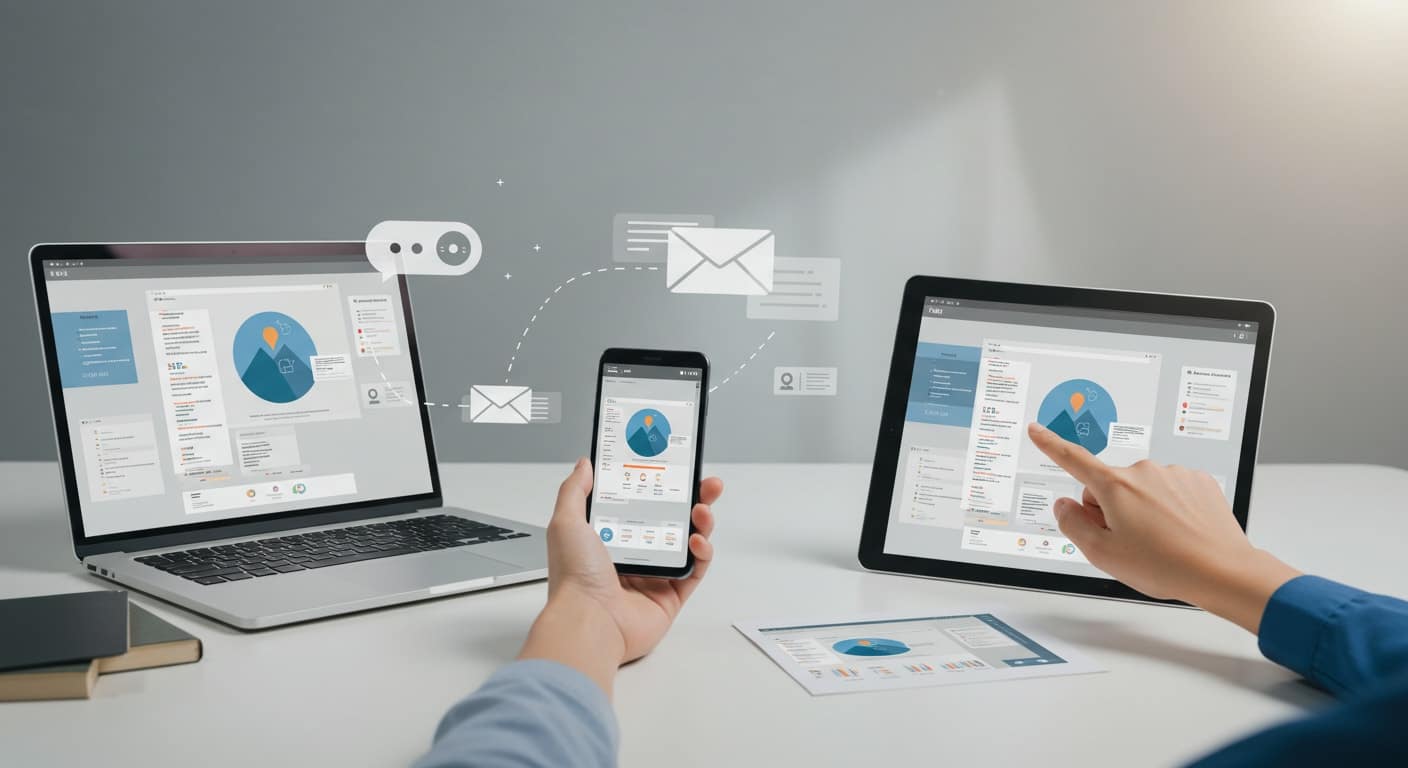
University students accessing identical cloud desktop environments from classroom and home.

Cloud desktops did not catch on because they were trendy. They stuck because they solved very real, very practical problems across industries where flexibility, security, and scale matter more than owning physical machines.

Take call centers, for example. These environments deal with high employee turnover, strict access controls, and sensitive customer data. Cloud desktops allow new agents to log in from day one, work inside a controlled environment, and log out without leaving anything behind on local devices.

Educational institutions use cloud desktops in computer labs and remote learning setups. Instead of maintaining rows of aging machines, schools give students consistent access to the same software and tools, whether they are on campus or learning remotely.

Healthcare organizations rely on secure remote access. Cloud desktops keep patient data centralized, which supports compliance while allowing clinicians to work from different locations without copying sensitive files to local systems.

Software development teams benefit from standardized environments. Developers can spin up identical desktops with the right tools, reducing setup time and configuration drift.

Temporary or contract workers also fit naturally. Access can be granted quickly and removed just as fast.

Across these use cases, cloud desktops support distributed workforces, secure remote access needs, and rapid scaling requirements without adding operational chaos.


What Are the Cost Models for Cloud Desktop Solutions?

Cloud desktop pricing looks different from traditional IT spending, and that difference is often the point. Instead of buying hardware upfront, organizations pay for access over time.

Most cloud desktop solutions use subscription-based pricing. You pay per user, per month, based on the computing power and features required. This moves spending from large capital expenses to predictable operating costs.

There are typically two common pricing approaches:

  • Monthly per-user pricing
    A fixed cost per user that includes compute resources, storage, and management.
  • Usage-based resource billing
    Costs scale with actual usage, which works well for seasonal teams or variable workloads.
  • Reduced upfront investment
    No need to purchase physical PCs, servers, or data center equipment.

This OpEx model contrasts with traditional CapEx-heavy setups, where hardware, maintenance, and refresh cycles drive costs. For many organizations, cloud desktops become cost effective not because they are cheaper on paper, but because they reduce waste, simplify budgeting, and align spending with real usage.


What Challenges Come With Cloud Desktops?

Remote worker experiencing lag on a cloud desktop due to unstable internet connection.

Cloud desktops solve plenty of problems, but they are not friction free. Knowing the trade-offs upfront helps avoid surprises later.

The first and most obvious dependency is the internet connection. Because cloud desktops live outside the local device, reliable internet connectivity becomes essential. A weak or unstable connection can affect responsiveness, especially for graphics-heavy or real-time tasks.

Latency is another concern. Even with strong bandwidth, distance from the data center can introduce delays. This is manageable, but it requires thoughtful provider selection and performance tuning based on user location and workload type.

Migration complexity often catches teams off guard. Moving from physical PCs or traditional VDI to a cloud desktop solution involves rethinking identity management, application delivery, and security policies. It is not difficult, but it is layered.

Common challenges organizations encounter include:

  • Internet connectivity requirements
    Consistent, reliable access is non-negotiable for a smooth user experience.
  • Performance tuning
    Resource allocation must match real usage patterns, not assumptions.
  • Change management
    Users may resist new workflows, even when the technology works well.
  • User training needs
    Small differences in access and login behavior still require guidance.

Handled early, these challenges stay manageable rather than disruptive.


How Do Organizations Successfully Migrate to Cloud Desktops?

Successful cloud desktop migrations tend to follow a clear, deliberate path. Rushing almost always leads to avoidable friction.

Most organizations start by understanding what they already have. That means reviewing existing infrastructure, applications, identity systems, and network readiness. This step informs realistic expectations around performance and resource allocation.

A practical migration approach usually includes:

  • Assess existing infrastructure
    Identify applications, data flows, and security requirements that must carry over.
  • Choose the right provider
    Match the cloud desktop solution to workload needs, compliance requirements, and management capabilities.
  • Pilot with a small user group
    Start with a controlled group to surface issues before full rollout.
  • Train users and IT teams
    Set expectations early and document new access patterns and workflows.
  • Monitor performance and feedback
    Use real usage data to refine configurations and ongoing maintenance plans.

This phased approach reduces risk, keeps users engaged, and allows IT teams to manage the environment proactively rather than reactively.


What to Look for in the Right Cloud Desktop Solution

IT decision maker reviewing cloud desktop platform features on a structured evaluation checklist.

Choosing the right cloud PC solution comes down to fit, not hype. On paper, many platforms look similar. In practice, the details decide whether the experience feels smooth or frustrating six months in.

When evaluating options, focus on capabilities that hold up under real use, not just demo environments. The goal is a cloud desktop solution that supports users quietly, securely, and without constant tuning.

Key features to look for include:

  • Robust security features
    Centralized data protection, multi-factor authentication, role-based access, and strong identity controls should be built in, not bolted on later.
  • Performance and scalability
    The platform should handle peak demand without lag and allow resources to scale up or down as teams change.
  • Integration with existing tools
    Compatibility with identity systems, management tools, and productivity platforms reduces friction for IT teams.
  • Pricing flexibility
    Look for models that align with actual usage patterns rather than fixed assumptions.
  • Vendor support and reliability
    Responsive support, clear documentation, and predictable updates matter more than flashy features.

The right choice feels boring in the best way. It works. Consistently.


Conclusion:

Cloud desktops have earned their momentum for a reason. They offer a powerful solution for organizations dealing with distributed teams, rising security expectations, and growing pressure on IT resources. Flexibility improves. Access becomes simpler. Data stays protected where it belongs.

Still, cloud desktops are not a universal answer. Workloads vary. Network readiness matters. User expectations differ. The most successful deployments start with careful planning rather than urgency.

Before making a decision, evaluate cloud desktop readiness across infrastructure, security needs, and user workflows. Identify where cloud desktops add real value and where traditional setups may still make sense.

If the fit is right, modern cloud desktop platforms can unlock new capabilities while reducing long-term complexity. Exploring secure, scalable desktop services now helps organizations move forward with clarity rather than guesswork.


Frequently Asked Questions (FAQs)


1. What is a cloud desktop? 

A cloud desktop is a virtual desktop environment hosted on remote servers instead of a physical computer. Users access their operating system, applications, and data through the internet, enabling secure, flexible work from any device without relying on local hardware.

2. How is a cloud desktop different from a regular virtual desktop?

A regular virtual desktop is often part of traditional VDI, which runs on on-premises servers managed by internal IT teams. A cloud desktop is hosted and maintained by a cloud provider and delivered as a service. This reduces infrastructure complexity, lowers upfront costs, and makes scaling easier without managing physical hardware or data center capacity.

3. Do cloud desktops require a constant internet connection?

Yes, cloud desktops depend on an active internet connection because the desktop environment lives in the cloud. If the connection drops, access is temporarily interrupted. Modern cloud desktop solutions are optimized to work well even on modest connections and are far more resilient than early virtual desktop setups.

4. Are cloud desktops secure enough for sensitive data?

Cloud desktops are generally more secure than physical PCs because data stays centralized in the cloud instead of being stored on local devices. Lost or stolen hardware does not expose sensitive information. Security features often include encryption, multi-factor authentication, access controls, and centralized policy enforcement managed by IT teams.

5. What types of organizations benefit most from cloud desktops?

Organizations with distributed teams, remote workers, call centers, and shared computer labs often see the biggest gains. Educational institutions and healthcare organizations also benefit from centralized access and stronger security controls.

6. Are cloud desktops expensive compared to physical PCs?

Cloud desktops usually follow a subscription or pay-as-you-go model, which shifts costs from large upfront purchases to predictable operating expenses. This can reduce long-term spending on hardware, maintenance, and upgrades. Costs depend on usage patterns, performance needs, and provider pricing models, so careful planning is important.

7. How long does it take to move to cloud desktops?

Migration timelines vary. Small pilot groups can be up and running in days, while full deployments may take weeks depending on complexity. A phased approach, testing with a limited group first, helps reduce disruption and ensures the cloud desktop setup meets real-world needs before scaling.