What is the Importance of Data Privacy in Higher Education?

Quick Answer

Why Is Data Privacy Important in Higher Education?

Data privacy in higher education protects student records, financial information, and personal data from misuse, breaches, and unauthorized access. As online learning and AI tools expand, institutions must strengthen security, comply with regulations like FERPA and GDPR, and maintain transparent data practices to preserve student trust.

Data is everywhere now. Collected quietly, stored somewhere distant, used in ways that aren’t always obvious. Control, though, doesn’t always keep up with that pace.

In higher education institutions, this tension is becoming harder to ignore. Online learning platforms, artificial intelligence, and connected systems generate vast amounts of student data every day. Sometimes more than expected.

And students notice. Privacy concerns are growing, not just in theory, but in how personal and academic information might be used, shared, or exposed.

The risks are real, data breaches, misuse, and a lack of transparency can undermine trust quickly.

In this blog, you’ll explore what data privacy in higher education really means, the risks involved, the laws shaping it, and how institutions are trying to keep up.


What Does Data Privacy in Higher Education Actually Mean?

Data privacy sounds straightforward. Keep information safe. Don’t misuse it. But in higher education, it’s a bit more layered than that.

You’re dealing with student data that spans almost every part of academic life. Education records, grades, attendance, interactions with learning systems. Then there’s financial data, tuition payments, aid details, sometimes even links to financial institutions. Add to that behavioral signals from online platforms, what you access, how long you stay, what you submit. It adds up quickly.

In fact, institutions can collect over 40 data points per student in a single day. That’s not a small footprint. Some of it is expected. Some of it, perhaps less obvious.

So what does data privacy actually mean here? It’s about how personal information is collected, used, and shared, and whether that process respects boundaries. Data security, on the other hand, focuses on protection, encryption, access controls, preventing unauthorized entry.

They overlap, but they’re not identical. You can secure data and still misuse it. That distinction matters more than it seems.


What Types of Student Data Are Colleges and Universities Collecting Today?
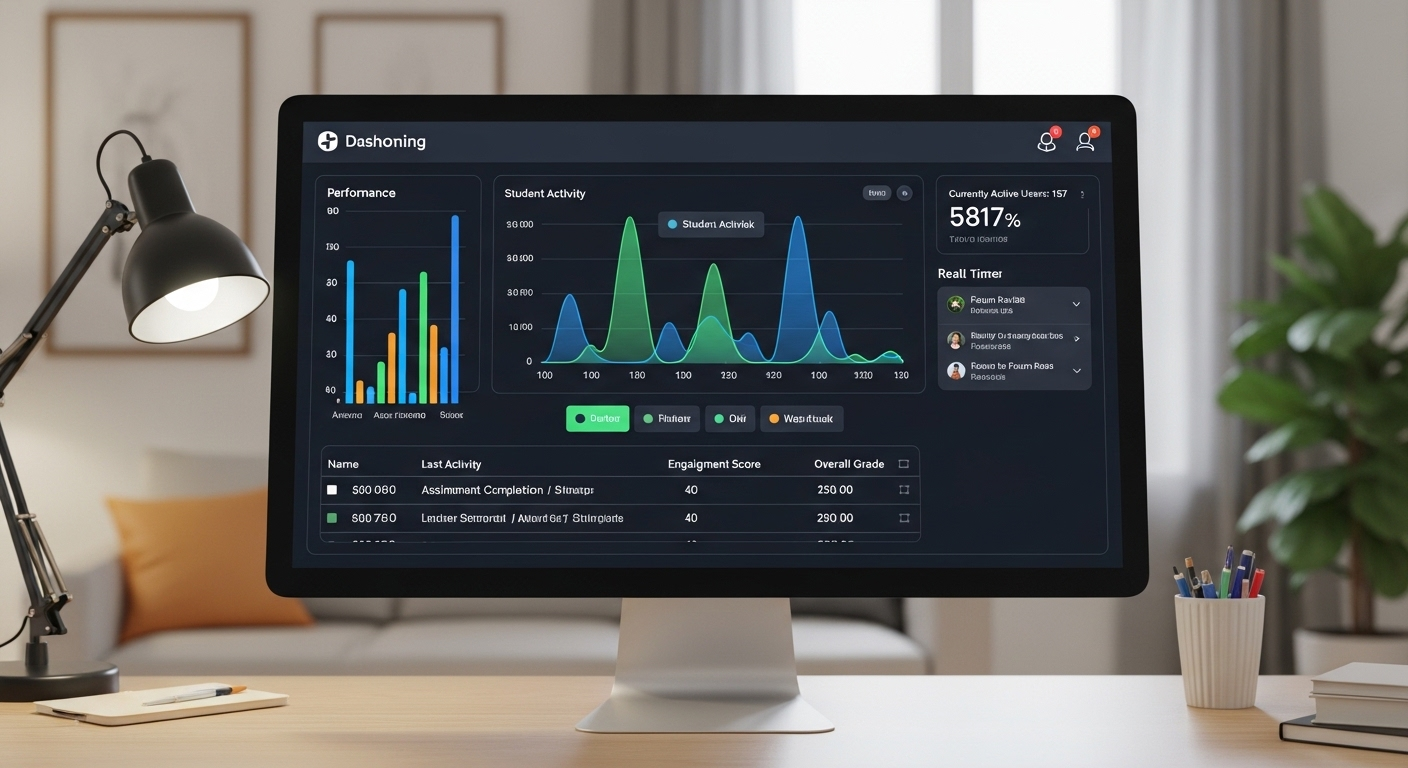
Online learning dashboard tracking student activity, engagement, and performance metrics in real time.

It’s easy to underestimate how much student information moves through a university in a single day. You interact with systems constantly, sometimes without noticing, and each interaction leaves a trace. Small pieces, but they accumulate.

The range of data collected has grown, especially with online learning and connected platforms becoming standard. Some of it is obvious. Some of it sits quietly in the background.

Here’s a clearer view of what’s typically being collected:

  • Personal data, including names, addresses, identification details, sometimes even social security numbers
  • Academic records and performance data, grades, submissions, progress across courses
  • Financial data, tuition payments, aid information, transaction histories
  • Behavioral data from online learning systems, login patterns, activity levels, time spent on materials
  • Data from mobile apps and learning management systems, often tracking usage and engagement
  • Information linked to study abroad programs and third-party platforms that support learning or administration

Online learning has expanded this collection significantly. More systems, more touchpoints, more data flowing in.

And not all of it is fully visible to students. Some information is collected passively, which raises questions about awareness and consent, even when the intention is operational efficiency.


Why Is Data Privacy So Critical for Higher Education Institutions?

The importance of data privacy in higher education becomes clearer when you consider what’s actually at stake. It’s not abstract. It’s personal, and sometimes irreversible.

A data breach can expose sensitive data in ways that lead to identity theft or financial fraud. Once that information is out, it’s difficult to contain. The impact doesn’t stay within campus systems, it follows individuals beyond them.

There’s also the risk of misuse. Data used incorrectly, or without clear boundaries, can lead to unintended consequences, including bias or discrimination. Not always deliberate, but still harmful.

At the same time, colleges and universities have become frequent targets for cyberattacks. Ransomware incidents, unauthorized access attempts, these aren’t rare anymore. And the financial impact can be severe, with average breach costs reaching millions.

But beyond cost, there’s trust. Students generally place more confidence in educational institutions than in technology companies when it comes to data protection. That trust is fragile.


What Laws and Regulations Govern Data Privacy in Higher Education?


There’s a legal framework sitting behind all of this. Not always visible, not always simple, but very real. Higher education institutions don’t get to decide privacy rules on their own, they operate within a web of data privacy laws that stretch across federal, state, and even international boundaries.

And that web keeps expanding. New regulations appear, older ones evolve, expectations tighten. At the center of it, a few key laws shape how student data is handled:

The Family Educational Rights and Privacy Act (FERPA) focuses on education records. It gives students control over their information and requires written consent before institutions can share personally identifiable details. That consent requirement, simple on paper, becomes complex in practice.

The Gramm-Leach-Bliley Act (GLBA) deals with financial data. It requires colleges and universities to implement safeguards, essentially structured data security practices, to protect sensitive financial information from unauthorized access.

The California Consumer Privacy Act (CCPA) extends rights to consumers, including students in certain contexts, allowing them to access, delete, or restrict how personal data is used. It has implications especially for for-profit educational institutions.

Then there’s SOPIPA, which limits how education technology providers handle student data, particularly prohibiting its sale.

And beyond the United States, the General Data Protection Regulation (GDPR) applies when institutions offer online programs to individuals in the European Union. Its requirements around transparency and consent are stricter than most domestic laws.

Add to this more than 40 state-level laws, and compliance becomes an ongoing process, not a one-time effort.

Quick Comparison of Major Privacy Laws 

Law Scope Key Requirement
FERPA Education records Student consent required before sharing data
GLBA Financial data Requires safeguards to protect sensitive financial information
CCPA Consumer data Grants rights to access, delete, and control personal data
GDPR EU data Requires strict consent, transparency, and data protection measures


What Are the Biggest Data Privacy Risks Facing Universities Today?

Even with regulations in place, risks don’t disappear. In some ways, they become harder to manage, because the systems handling data keep expanding. More tools, more integrations, more points of exposure.

Universities, in particular, sit in a difficult position. Open environments by design, but responsible for protecting vast amounts of sensitive data. That combination attracts attention. Not the good kind.

Here’s where the main risks tend to emerge:

  • Data breaches and ransomware attacks, which can lock systems or expose large volumes of student information in a single incident
  • Over-collection of data, gathering more information than necessary, increasing both exposure and complexity
  • Weak access controls, where too many users have access to sensitive data without proper restrictions
  • Third-party vendor risks, since external platforms often handle student data but may not follow the same security standards
  • Artificial intelligence misuse, especially in predictive analytics, where student data is used to forecast outcomes without clear boundaries
  • Lack of transparency in how data is collected and used, leaving students uncertain about what’s happening behind the scenes

Universities have become prime cyber targets. That’s not speculation anymore. And with AI entering the picture, new privacy risks are forming, sometimes faster than policies can keep up.


How Are Students Thinking About Data Privacy Today?

Student hesitating before clicking ‘accept’ on a data consent screen, symbolizing uncertainty about data usage.

There’s been a noticeable change in how students approach privacy. Not dramatic, not sudden, but steady. You can see it in the questions they ask, and sometimes in the hesitation behind those questions.

Students are more aware now. They know data is being collected, even if they don’t always know how much or why. And that uncertainty, it tends to linger.

A big concern revolves around the future. How student data might influence opportunities, admissions decisions, career paths, even things that feel distant right now. Predictive analytics, in particular, makes people uneasy. It suggests conclusions before the full story is written.

There’s also a clear distinction in how students think about personal data versus academic data. Academic performance matters, of course, but personal information feels more sensitive, more permanent. Still, many prioritize protecting academic and professional records because of how directly they affect outcomes.

Students generally trust their institutions more than outside companies. But that trust isn’t unconditional. They expect transparency. They want to know what’s being collected, how it’s used, and who can access it.


How Can Higher Education Institutions Strengthen Data Privacy and Security?

Improving data privacy in higher education isn’t about a single solution. It’s more like layering protections, small decisions that add up over time. Some technical, some procedural, some simply about awareness.

The goal is not perfection. That’s unrealistic. But stronger, more consistent control. Here are the practices that tend to make the biggest difference:

  • Encrypt sensitive data both at rest and in transit, so even if it’s intercepted, it remains unreadable
  • Implement multi-factor authentication, adding an extra layer beyond passwords to reduce unauthorized access
  • Use role-based access controls, ensuring individuals only access the information necessary for their role
  • Limit data collection to what is actually needed, reducing unnecessary exposure and storage risks
  • Conduct regular security audits to identify weaknesses before they become problems
  • Monitor and manage third-party vendors carefully, since they often handle student data outside institutional systems
  • Maintain updated privacy policies that reflect current regulations and evolving risks

These are often grouped under broader data security practices, sometimes tied to frameworks like the safeguards rule under financial regulations.

But technical measures alone aren’t enough.

Institutions also need to train staff, faculty, and students regularly. Awareness matters. A system can be secure, but a single careless action can still create a vulnerability.

In the end, data protection becomes a shared responsibility. Not just IT, not just leadership. Everyone involved, whether they realize it or not.


How Does AI and Emerging Technology Complicate Data Privacy in Higher Education?

University leadership and IT teams designing AI governance frameworks with balance between innovation and data protection.

Artificial intelligence sounds efficient on paper. Faster decisions, deeper analysis, better predictions. But it also changes how data is handled, and not always in ways that are easy to track.

AI systems rely on large volumes of data. The more they process, the more patterns they detect. That often means collecting more student information, sometimes beyond what was originally intended. Small additions here and there, and suddenly the scope feels much wider.

Predictive analytics is where things get complicated. Institutions use it to anticipate student outcomes, identify risks, guide decisions. Useful, yes. But it raises questions. How much should data influence a student’s future? And what happens when those predictions are wrong?

There’s also a governance gap. Policies haven’t fully caught up with how artificial intelligence is being used across campuses. Some systems move faster than the rules meant to guide them.

Regulation is starting to respond, slowly. But institutions still need to create their own frameworks, defining boundaries, ensuring compliance, and addressing ethical concerns before problems emerge.


How Can Institutions Build Trust Through Transparent Data Practices?

Trust doesn’t come from policies alone. It builds gradually, through clarity, consistency, and a willingness to explain things that might otherwise stay hidden.

Students expect more transparency now. Not just statements buried in documents, but clear communication about what data is collected and why. Purpose matters. If the reason makes sense, acceptance tends to follow.

Providing access to records also plays a role. When students can see their own information, understand how it’s used, it reduces uncertainty. That visibility changes perception.

There’s also a boundary to respect. Personal data and academic data don’t always carry the same weight, and treating them the same can create discomfort. Institutions need to recognize that difference.

In the end, trust is tied to understanding. When privacy practices are clear and consistent, students are more likely to accept them, even if not every detail feels perfect


What Does the Future of Data Privacy in Higher Education Look Like?

Student managing personal data permissions through a clean interface, adjusting visibility and usage settings.

The future doesn’t arrive all at once. It builds gradually, through new regulations, new technologies, and sometimes, new mistakes that force better decisions.

In higher education, data privacy is moving toward tighter oversight. More regulations, more scrutiny, more expectations placed on institutions to explain what they’re doing and why. That direction seems fairly clear.

At the same time, students are likely to gain more control over their data. Access, visibility, maybe even the ability to limit how information is used. Not everywhere yet, but the trend is forming.

Cybersecurity will continue to strengthen. It has to. As systems grow more complex, so do the risks.

There’s also a growing emphasis on ethical use. Not just what institutions can do with data, but what they should do. That distinction matters more than it used to.

Data privacy will shape how education systems operate moving forward. And the policies guiding it, they won’t stay fixed for long.


Final Thoughts

Data privacy in higher education sits between opportunity and risk. On one side, data improves systems, supports learning, helps institutions operate more efficiently. On the other, it introduces exposure, uncertainty, and responsibility that can’t be ignored.

The key is not to avoid data. That’s not realistic. It’s to handle it with intention. Institutions that take a proactive approach, setting clear policies, updating practices, communicating openly, tend to avoid bigger problems later. Those that react only after something goes wrong usually face higher costs, both financial and reputational.

So the question isn’t whether data will be used. It will be. The question is how carefully you choose to manage it moving forward.


Frequently Asked Questions (FAQs)


1. What is data privacy in higher education?

Data privacy in higher education refers to how colleges and universities collect, use, store, and share student data. It focuses on protecting personal information, education records, and sensitive data while ensuring it is used responsibly and within legal and ethical boundaries.

2. Why is student data privacy important?

Student data privacy is important because colleges and universities collect sensitive personal, academic, and financial information that can be exposed through misuse or data breaches. Protecting student data helps prevent identity theft, supports legal compliance, and maintains trust between students and educational institutions in digital learning environments.

3. Why is student data protection important?

Student data protection matters because personal and academic information can be misused if exposed. Risks include identity theft, financial fraud, and reputational harm. Protecting this data also helps maintain trust between students and institutions, which is not easily rebuilt once lost.

4. What laws protect student data?

Several data privacy laws apply, including FERPA for education records, GLBA for financial data, and regulations like CCPA and GDPR. These laws define how institutions handle student information and require consent, transparency, and strong safeguards to ensure compliance.

5. How do universities secure student data?

Universities use a mix of technical and procedural controls. This includes encryption, multi-factor authentication, role-based access controls, and regular audits. They also manage third-party vendors and maintain updated policies to reduce risks and protect sensitive information effectively.

6. What are the biggest data privacy risks in higher education?

The main risks include data breaches, ransomware attacks, over-collection of data, and weak access controls. Third-party vendors and unclear data usage policies can also create vulnerabilities, especially as systems become more complex and interconnected across institutions.

7. How does AI impact data privacy in education?

Artificial intelligence increases the amount of data collected and analyzed, especially through predictive systems. While useful, it raises concerns about transparency, bias, and misuse. Institutions must create clear policies to ensure AI is used responsibly and within compliance standards.

8. What rights do students have over their data?

Students have rights under laws like FERPA and GDPR, including access to their records and control over how data is shared. In many cases, institutions must obtain consent before releasing personal information, giving students a level of control over their data.


Emerging Technologies in Education: Shaping the Future of Learning

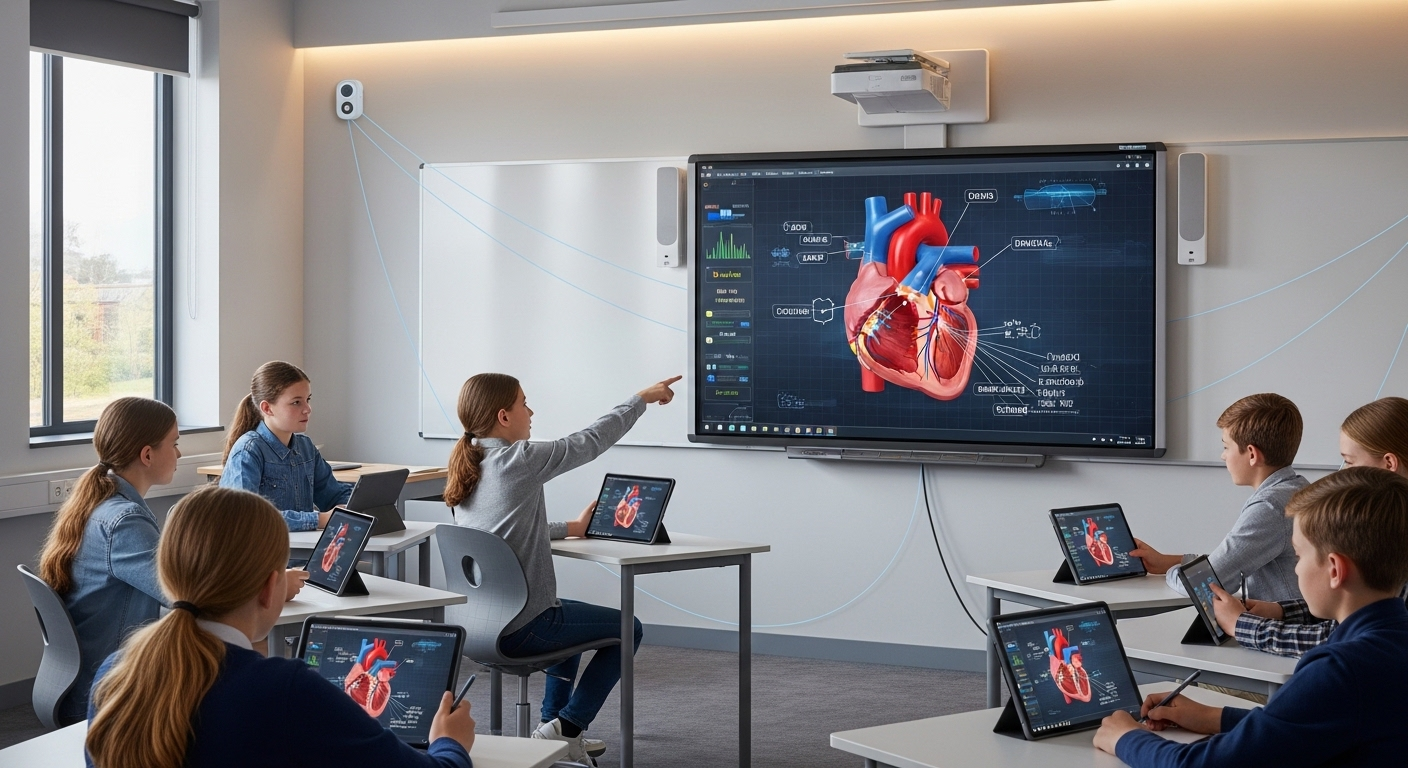
Modern classroom blending physical and digital learning interactive whiteboard, tablets, laptops, and cloud-based dashboards in use.
Quick Answer

What Are the Most Important Emerging Technologies in Education Today?

Emerging technologies in education include artificial intelligence, virtual and augmented reality, learning analytics, blockchain credentialing, cloud platforms, and smart classroom tools. These technologies support personalized learning, interactive instruction, remote access, and data-driven teaching strategies while helping institutions improve scalability, accessibility, and student engagement across modern learning environments

The classroom has already transformed more in the last two decades than in the previous century. The traditional chalkboard has given way to interactive whiteboards. Printed textbooks now coexist with ebooks and digital resources that update in real time.

What once required a physical library now lives inside a browser window. Emerging technologies in education are no longer peripheral tools. They shape how student learning unfolds every day.

The scale of adoption is significant. The average school district now uses more than 2,591 digital tools to support teaching and learning. That number alone reveals both opportunity and complexity. Education technology has expanded rapidly, yet expansion does not automatically translate into improvement. When platforms multiply without coordination, fragmentation follows.

The traditional one-size-fits-all approach no longer sustains modern learning environments. Students move at different speeds. They access content through mobile devices.

They expect interactive learning experiences. Global education systems recognize this shift and are prioritizing emerging technologies to remain competitive and accessible.

Yet enthusiasm must be disciplined. The question is not whether new technologies exist. It is whether they genuinely transform education. You must assess educational value, integration feasibility, and long-term outcomes before investing. Innovation without evaluation is noise. Innovation with intention becomes progress.


Artificial Intelligence and Generative AI in the Learning Process

Artificial intelligence is no longer a future concept in education. By 2025 and 2026, artificial intelligence AI systems are embedded across K-12 classrooms and higher education institutions worldwide.

Schools are not experimenting cautiously. They are integrating AI into daily operations, curriculum design, and student support services. The momentum reflects a broader shift toward adaptive, data-informed learning environments.

Core developments include:

  • AI-driven learning systems that personalize instructional content based on individual performance, behavior, and learning styles.
  • Generative AI tools that assist educators with lesson planning, assessment design, and differentiated materials for diverse classrooms.
  • AI tutors that provide 24/7 feedback, enabling students to learn at their own pace outside scheduled class hours.
  • Predictive analytics models that identify students at risk of falling behind and trigger early interventions.
  • Machine learning algorithms that continuously refine learning analytics, producing more accurate insights into engagement and outcomes.
  • Automation of administrative processes such as grading, scheduling, and routine communication, reducing educator workload.
  • Industry partnerships that introduce AI-powered research tools and workforce-aligned programs into institutions.
  • Ongoing challenges, including algorithmic bias, over-reliance on automation, and the need for sustained professional development.

Artificial intelligence can enhance learning significantly. The impact depends on thoughtful implementation, ethical safeguards, and continuous evaluation.


Virtual and Augmented Reality: Expanding Learning Environments

Collaborative VR classroom where students appear as avatars interacting in a shared digital space.

Virtual and augmented reality are no longer experimental technologies reserved for specialized labs. Virtual reality and augmented reality are increasingly integrated into mainstream learning environments across K-12 and higher education.

These tools extend the classroom beyond physical walls, allowing you to design interactive learning experiences that were previously impossible.

Key applications include:

  • Virtual reality recreates inaccessible environments, enabling students to explore ancient civilizations, deep oceans, or distant planets without leaving the classroom.
  • Augmented reality overlays digital content onto physical materials, improving spatial reasoning and concept retention in subjects such as biology, architecture, and engineering.
  • Virtual field trips that provide immersive exposure to historical landmarks and global sites.
  • Hands-on training simulations in medicine, engineering, and technical disciplines, where students practice procedures in controlled virtual settings.
  • Collaborative VR learning environments where learners interact with peers in shared digital spaces, regardless of geographic location.
  • Measurable increases in retention and engagement due to immersive and experiential design.
  • Ongoing hardware cost and access limitations, which can widen disparities if not managed carefully.

Virtual and augmented reality expand how students learn by turning abstract concepts into experiential understanding. The challenge lies not in possibility, but in equitable and sustainable implementation.


Learning Analytics and Predictive Insights

Learning analytics has evolved from simple grade tracking into a complex system of behavioral and performance modeling. Modern platforms collect data from learning management systems, online learning environments, mobile apps, and even gamified platforms.

When analyzed correctly, this data provides valuable insights into student engagement, progress patterns, and instructional effectiveness.

Predictive analytics allows you to identify students at risk of falling behind long before final exams reveal the problem. Attendance trends, assignment submission timing, and interaction frequency can signal early warning signs.

Instead of reacting after outcomes decline, you intervene proactively. This shift from reactive to preventive instruction marks a significant change in how student learning is supported.

Data-driven curriculum decisions also become possible. You can evaluate which teaching methods improve retention and which modules generate disengagement. Gamified platforms contribute additional layers of insight, revealing how students respond to challenges, rewards, and adaptive progression.

George Siemens’ early work on learning analytics emphasized the importance of understanding networks and data flows in education. That theoretical foundation now informs practical implementation across institutions.

However, complexity introduces responsibility. Privacy protections, data governance, and ethical use of analytics must guide implementation. Insight without safeguards risks undermining trust. Properly governed, learning analytics strengthens outcomes while preserving integrity.


Gamification, Microcredentials, and Personalized Pathways

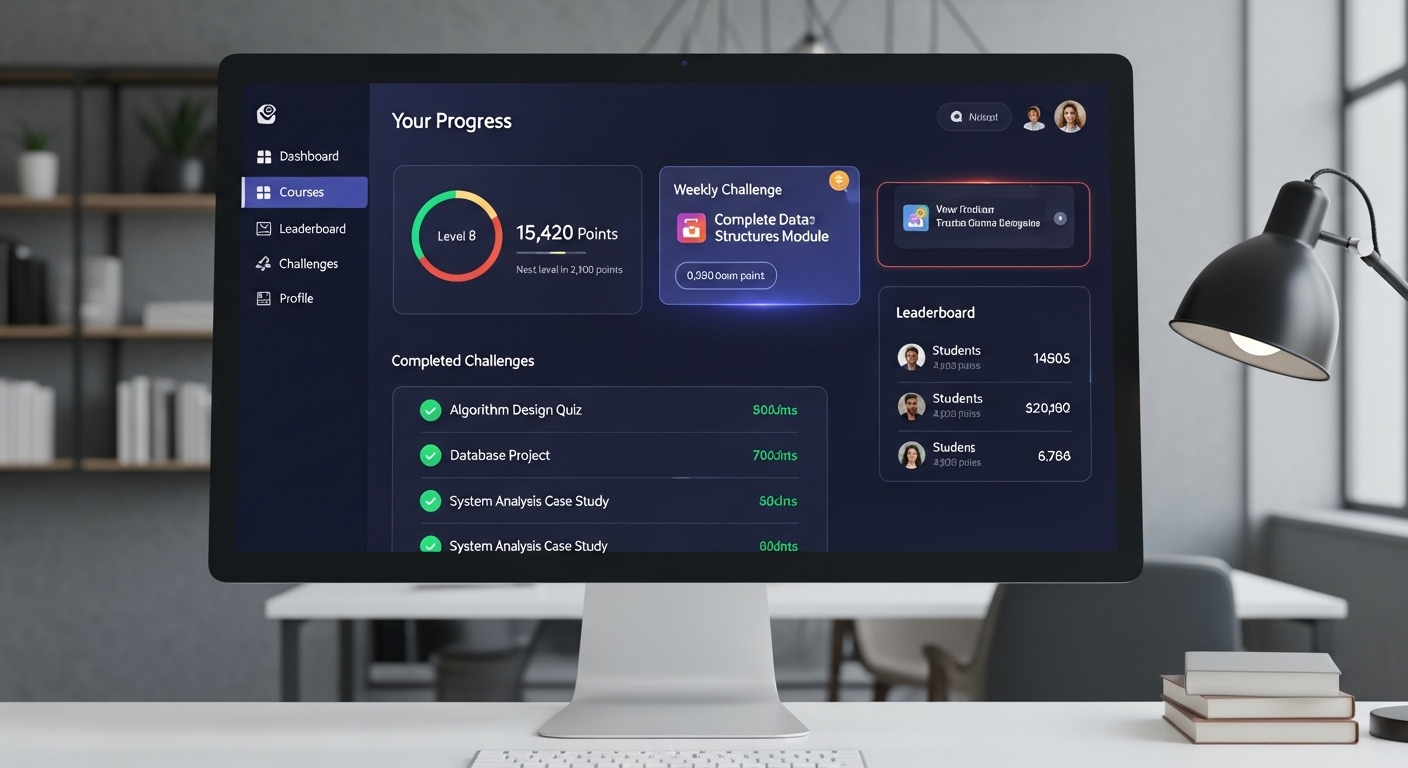
University-level gamified learning interface showing points, levels, and completed challenges in a professional UI design.

Education is no longer confined to static syllabi and fixed timelines. You are seeing a gradual movement toward interactive learning experiences that respond to motivation, mastery, and measurable progress. Gamification and microcredentials sit at the center of that movement.

When applied intentionally, these approaches reshape both curriculum design and student learning expectations.

  • Gamified platforms increase student engagement by incorporating challenges, rewards, and visible progress markers that encourage consistent participation.
  • Game-based assessments evaluate knowledge through applied tasks rather than static testing, offering a more dynamic view of mastery.
  • Students progress at their own pace, reducing frustration for advanced learners and pressure for those who require more time to absorb material.
  • Microcredentials align with job markets, focusing on skill-based certification rather than broad, generalized achievement.
  • Targeted certifications validate specific competencies, helping you demonstrate measurable expertise to employers.
  • Motivation and satisfaction increase when learning feels interactive rather than passive.
  • Learning analytics within gamified environments inform teaching methods, enabling educators to refine projects and adjust instruction based on real performance data.

These systems do not replace traditional education. They extend it. When implemented carefully, they create personalized pathways that reflect both professional development goals and diverse learning styles.


Blockchain and Credential Transparency

Blockchain technology has moved beyond cryptocurrency headlines and into the infrastructure of higher education. At its core, blockchain is a distributed ledger, a secure record-keeping system that cannot easily be altered once data is entered. For institutions, this matters most in credential verification.

When you issue diplomas or digital transcripts through blockchain-based systems, students receive a unique identifier linked to a permanent, tamper-resistant record. Employers and licensing bodies can verify credentials instantly without relying on manual document requests. The process becomes faster, more secure, and far less prone to fraud.

Digital transcript issuance can be expedited dramatically. Instead of waiting days or weeks for verification, records can be shared in minutes. For global education and cross-border employment, that speed carries real value.

Workforce demand for blockchain skills is also rising. Job postings that reference blockchain technology have increased significantly in recent years, prompting institutions to integrate blockchain topics into research programs and computer science curricula. Some universities now teach blockchain architecture, governance, and application design as part of broader innovation strategies.

The result is twofold. You strengthen institutional credibility through secure credentialing, and you prepare students for emerging sectors where blockchain knowledge is no longer optional, but increasingly essential.


Internet of Things, Robotics, and Smart Classrooms

Smart classroom with connected devices, IoT sensors, interactive whiteboard, and students using tablets in sync.

The modern classroom is becoming an interconnected system. The internet no longer functions only as a research gateway. It now connects devices, sensors, platforms, and digital technologies into an integrated learning environment. Smart classrooms rely on this infrastructure to create interactive, responsive spaces where teaching and learning adapt in real time.

Key developments include:

  • IoT smart sensors enhance classrooms by monitoring environmental conditions such as lighting, temperature, and device usage, improving comfort and energy efficiency.
  • Robotics enables hands-on computer science learning, allowing students to design, code, and troubleshoot physical systems rather than studying theory alone.
  • 3D printing is explored for projects in engineering, science, and design, supporting experiential learning and rapid prototyping.
  • Digital creation tools support collaboration, enabling learners to produce multimedia projects and share them instantly.
  • Cloud computing is essential for collaboration, providing shared access to files, applications, and management systems across institutions.
  • Mobile learning expands through mobile devices and mobile apps, giving students continuous access to digital resources beyond the classroom.
  • Smart classrooms require secure network access, as connected devices increase exposure to security vulnerabilities if not properly managed.

Smart infrastructure amplifies learning potential. It also increases responsibility. Connectivity must be matched with governance and security.


Online Learning Platforms and Hybrid Models

Online learning platforms have moved from supplementary tools to central infrastructure. Learning management systems now anchor course delivery, assessment, communication, and analytics across K-12 and higher education.

Students submit assignments, access digital resources, participate in discussions, and track progress within a single environment. These learning management systems shape how the learning process unfolds.

Mobile learning platforms expand access further. Through mobile devices and apps, you can reach students beyond campus boundaries, supporting flexible schedules and remote participation. Hybrid learning has become mainstream rather than experimental. Institutions combine in-person instruction with online modules, synchronous sessions, and recorded lectures to create adaptable learning environments.

Remote and virtual laboratories extend practical education into online formats. Students conduct simulations, analyze datasets, and complete experiments without physical lab constraints. Open content is also gaining traction, promoting collaborative knowledge creation and continuous curriculum updates.

Yet the digital divide remains a structural challenge. Unequal access to devices, bandwidth, and stable internet connections affects participation and outcomes. Flexibility must be balanced with engagement and equity.

Browser-based desktop virtualization platforms such as Apporto support this balance. By delivering specialized apps and full desktop environments through a browser, institutions reduce device dependency and provide secure access to advanced tools. The result is broader participation without sacrificing performance or data security.


Infrastructure Matters: The Hidden Layer of Emerging Technologies

“IT administrator managing centralized dashboard controlling thousands of school devices and applications.

Emerging technologies in education attract attention at the application level. The visible tools, AI platforms, VR simulations, mobile apps. Yet the hidden layer, infrastructure, determines whether those technologies function reliably or collapse under complexity.

The average district now uses more than 2,591 digital tools. Each tool introduces configuration requirements, integrations, and potential security gaps.

IT teams within institutions often operate with limited staffing while managing learning management systems, identity services, cloud environments, and classroom devices. As technologies in education expand, so does the attack surface.

Security risks multiply when access controls vary across platforms. Device fragmentation further complicates matters. Students connect through laptops, tablets, personal devices, and shared computers. Consistency becomes difficult.

Centralized control is no longer optional. It is foundational.

Browser-based virtual desktop platforms such as Apporto provide secure access to specialized applications without requiring complex client installations. By centralizing management systems and delivering full desktop environments through the browser, institutions reduce device dependency and standardize access policies. AI labs, VR simulations, data science tools, and research software become accessible securely from multiple device types.

Infrastructure may be invisible to students, but it determines whether innovation scales safely or stalls under its own weight.


Professional Development and Change Management

Emerging technologies do not transform education on their own. Teachers and administrators determine whether tools enhance learning or become unused software licenses. Professional development is therefore not optional.

It is structural. Without sustained training and institutional support, even the most advanced systems fail to deliver meaningful outcomes.

Successful integration depends on several factors:

  • Educators require professional development that goes beyond one-time workshops and includes continuous skill building.
  • Supportive administration is critical, ensuring teachers have both time and institutional backing to experiment responsibly.
  • Time and training investment are required to align digital tools with curriculum goals.
  • Balancing new technologies with established teaching methods prevents disruption of effective pedagogical practices.
  • User-friendly systems improve adoption, reducing resistance and minimizing technical frustration.
  • Ongoing professional development remains necessary as platforms evolve and new features emerge.
  • Digital divide barriers in disadvantaged schools create additional challenges, limiting equitable access to training and infrastructure.

Change management in schools requires patience and strategic planning. When educators feel prepared and supported, technology enhances learning. When implementation is rushed, even promising innovations can become burdens.


The Challenges of Emerging Technologies in Education

Student struggling with slow internet connection during an online learning session in a rural setting.

Emerging technologies in education promise transformation, yet challenges persist beneath the surface. Economic disparities remain one of the most significant barriers.

Institutions with limited funding struggle to upgrade infrastructure, invest in professional development, or maintain secure digital environments. The digital divide continues to impact education outcomes, particularly in geographically and economically disadvantaged communities.

Infrastructure limitations compound the issue. High-bandwidth applications, cloud platforms, and AI systems require stable networks and modern hardware. Without foundational capacity, advanced tools underperform.

Institutions must also address ethical AI concerns, including algorithmic bias, transparency, and responsible data usage. Artificial intelligence can enhance learning, but poorly governed systems risk reinforcing inequities.

Data privacy issues demand constant vigilance. Learning analytics, student identifiers, and digital platforms collect large volumes of sensitive information. Safeguards must evolve alongside innovation.

Technology fatigue is another subtle challenge. Rapid adoption cycles can overwhelm educators and students alike. Keeping pace with change requires deliberate evaluation rather than reactive implementation. Not every emerging tool delivers meaningful improvement.

You must assess whether technologies genuinely support learning objectives and measurable outcomes. Innovation should serve pedagogy, not distract from it. Without strategic alignment, emerging technologies risk becoming noise instead of progress.


Conclusion

The future of emerging technologies in education depends less on novelty and more on discipline. New tools will continue to appear. Artificial intelligence will advance. Virtual reality will become more immersive. Analytics will grow more precise.

The question is not whether innovation will continue. It is whether you align it with learning goals that produce measurable outcomes.

You must move beyond experimentation for its own sake. Invest in secure infrastructure that supports advanced educational technologies without exposing institutions to unnecessary risk. Build transferable skills in students, including digital literacy, critical thinking, and technical fluency that extend beyond a single platform or curriculum.

Scalability matters. Select platforms that grow with institutional needs rather than fragmenting the environment further. Browser-based virtual desktop environments such as Apporto support this direction by enabling secure access to AI labs, specialized software, and research tools without device dependency or complex installations.

Strategic planning must guide adoption. Evaluate value, assess infrastructure readiness, and prioritize long-term sustainability. When technology aligns with pedagogy and governance, it strengthens education. When it does not, it distracts from it.


Frequently Asked Questions (FAQs)


1. What are emerging technologies in education?

Emerging technologies in education include artificial intelligence, virtual and augmented reality, blockchain technology, learning analytics, cloud platforms, and mobile learning tools. These innovations enhance learning environments, expand access, and modernize teaching methods. Many institutions are integrating these technologies to improve student learning outcomes and operational efficiency.

2. How is AI transforming student learning?

Artificial intelligence personalizes instruction by adapting content to individual performance and learning styles. AI tutors provide real-time feedback, while predictive analytics help identify students who may need additional support. AI also automates administrative tasks, allowing educators to focus more on teaching.

3. Are VR and AR practical for schools?

Virtual and augmented reality are increasingly practical as hardware becomes more affordable. VR enables immersive simulations, while AR enhances physical materials with digital overlays. These tools support interactive learning experiences in science, medicine, engineering, and history.

4. What is learning analytics?

Learning analytics refers to the collection and analysis of student data to improve instruction and outcomes. It helps educators track engagement, identify patterns, and make data-driven curriculum decisions. Predictive models can flag early warning signs of academic difficulty.

5. How does blockchain apply to education?

Blockchain technology secures digital credentials and transcripts through tamper-resistant records. Students can share verified qualifications instantly with employers. Some universities also integrate blockchain into research and curriculum programs.

6. What is the digital divide?

The digital divide describes unequal access to devices, internet connectivity, and digital resources. It affects participation, engagement, and educational equity across schools and regions.

7. How can institutions prepare?

Institutions can prepare by investing in secure infrastructure, ongoing professional development, and scalable platforms. Strategic planning, data governance, and alignment with learning goals ensure emerging technologies enhance education rather than complicate it.