
How Does Virtual Classroom Technology Improve Online Learning?
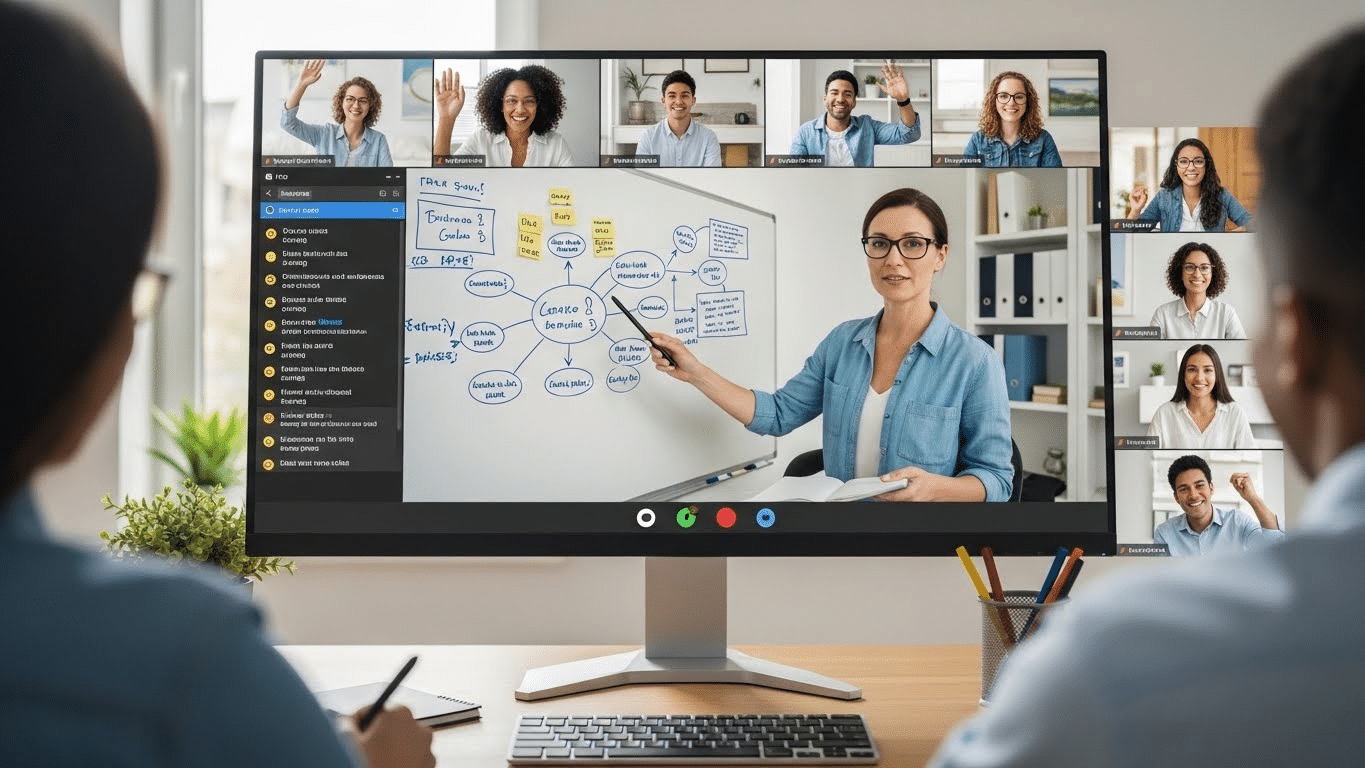
Virtual classroom technology enables students and teachers to connect through live video, chat, screen sharing, and collaborative digital tools in online learning environments. It improves accessibility, flexibility, and student engagement across remote and hybrid education. Platforms like Apporto support secure, browser-based virtual classrooms for scalable learning experiences. .
Classrooms are no longer limited to physical spaces. With the rise of virtual classroom technology, learning now happens anywhere students can connect online. What started as a workaround has become a cornerstone of modern education.
These tools — from video conferencing and chat features to interactive whiteboards and screen sharing — form the foundation of today’s online learning environments. Together, they replicate and, in many ways, enhance the traditional classroom experience.
What sets virtual classrooms apart is their flexibility. Students can attend sessions from anywhere, engage in real-time discussions, collaborate on projects, and learn at their own pace. Teachers, meanwhile, gain better insight into student engagement and participation.
In the sections ahead, you’ll explore how this technology is transforming how education is delivered, managed, and experienced — not just as a trend, but as the new normal.
What Is Virtual Classroom Technology and How Does It Work?
A virtual classroom is a digital space where students and teachers connect, collaborate, and learn in real time. It uses a mix of video conferencing, chat functionality, screen sharing, and slide presentations to simulate the structure and feel of a physical classroom — without the limitations of location.
This form of virtual classroom technology allows for live instruction, breakout discussions, student Q&A, and group projects, all within a browser-based interface. Platforms like Blackboard Collaborate, Apporto, Zoom, and Microsoft Teams are leading examples, offering seamless access to essential tools for both synchronous and asynchronous learning.
To participate effectively, students and teachers need a stable internet connection and a device that can run browser-based or platform-specific virtual classroom solutions. When the tech works well, the result is a connected, interactive, and inclusive online education experience that empowers both teaching and learning.
How Do Virtual Classrooms Compare to Traditional Classrooms?
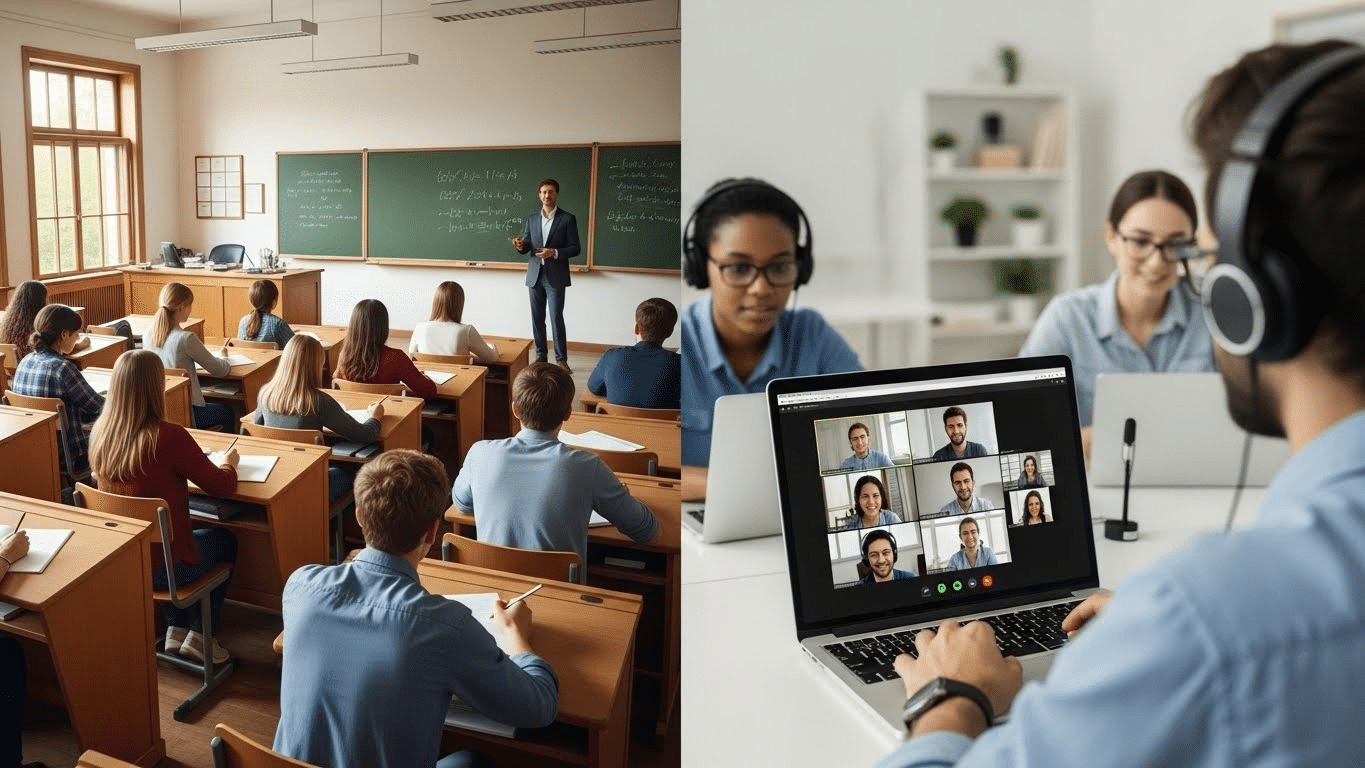
While traditional classrooms are rooted in physical presence and fixed schedules, virtual classrooms introduce a level of flexibility and accessibility that transforms how education is delivered.
Here’s a side-by-side comparison:
| Feature | Traditional Classroom | Virtual Classroom Technology |
|---|---|---|
| Cost | Facilities, materials, travel | Lower infrastructure and travel costs |
| Access | Location-bound | Global, remote access via internet |
| Teaching Methods | Lecture-based, manual tools | Digital, interactive, multimedia-rich |
| Student Engagement | In-person cues, limited tools | Real-time chat, polls, screen sharing |
| Pace | Fixed | Flexible or self-paced options |
With virtual classroom tools, educators can support asynchronous learning, meaning students can review materials and attend sessions on their own schedule. This approach is especially beneficial for those juggling work, caregiving, or living in different time zones.
Social interaction may differ — it’s less spontaneous, but platforms make up for it through discussion forums, group chats, and breakout rooms. For many learners, these digital spaces feel more inclusive and less intimidating than raising a hand in a crowded lecture hall.
In short, virtual classrooms provide flexibility that traditional models can’t easily match.
What Makes a Great Virtual Learning Environment?
Not all virtual classrooms are created equal. A truly effective virtual learning environment blends structure with flexibility and interaction with autonomy. The best platforms offer a combination of tools that promote connection, collaboration, and clarity — all essential in a remote setting.
Here are some important features to look for:
- Breakout rooms for small-group discussions and collaborative work
- Interactive tools like shared whiteboards, live annotations, and real-time document editing
- Virtual field trips that bring outside experiences into the classroom via video or 3D simulations
- Group projects with digital spaces for peer-to-peer communication and file sharing
These features do more than replicate classroom routines — they enhance them. Students engage in active learning, take more ownership over tasks, and build communication skills in digital formats.
When combined, these tools support real-time collaboration, online discussions, and student engagement at scale. They foster a sense of presence, even when learners are miles apart. That kind of connection is what turns a virtual classroom into a community, and why these environments are quickly becoming central to modern digital education.
How Do Virtual Classroom Tools Support Student Participation and Engagement?
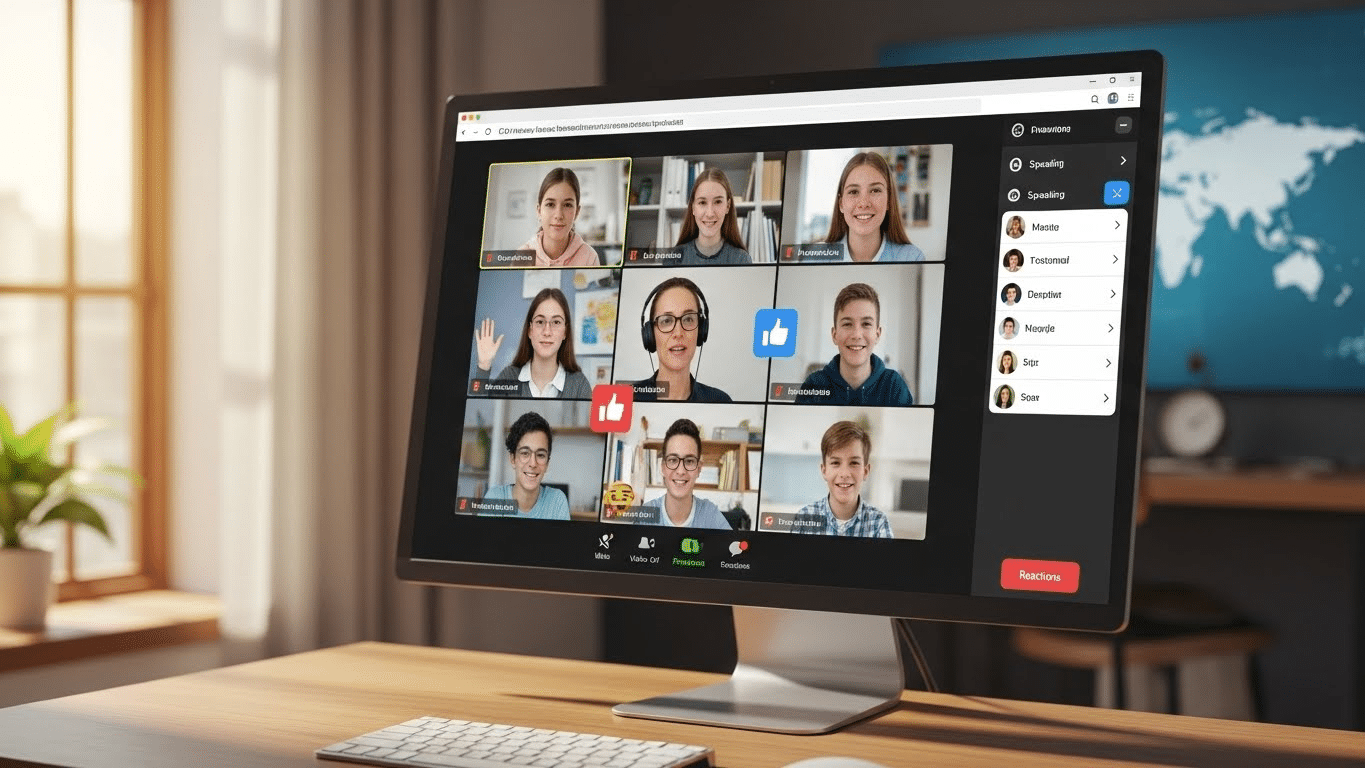
Keeping students engaged in a virtual classroom requires more than just a webcam and a lecture. Modern platforms include a suite of tools specifically designed to foster active participation and improve learning outcomes.
Here are a few that make a measurable impact:
- Reactions (like hand raise, thumbs up) that allow students to communicate non-verbally
- Polls and quizzes that provide immediate feedback and check for understanding
- Chat functionality for real-time questions and peer interaction
- Student-led presentations that promote ownership and boost confidence
These interactive features don’t just keep the session lively — they improve retention. When students are regularly asked to respond, reflect, or lead, they become more invested in the material.
Teachers also benefit. Through analytics and responses, they can track student performance, adjust pace, and identify knowledge gaps. Engagement becomes visible — even measurable.
Most importantly, these tools strengthen the teacher-student connection in a remote setting. Whether you’re managing a large lecture or a small seminar, virtual classroom technology can help keep attention high and participation consistent — even across time zones.
What Are the Benefits of Virtual Classroom Technology for Educators?
For educators, virtual classroom technology offers more than just convenience — it introduces efficiency, flexibility, and data-driven insight that traditional teaching methods can’t easily match.
With a virtual platform, you can deliver online courses in real time while maintaining full control over materials, pace, and participation. Adjusting a lesson mid-session, sharing a file instantly, or launching a quiz takes seconds — no photocopies or waiting.
Tracking student progress becomes easier too. Most platforms include dashboards that display attendance, participation, and performance data, helping you identify who’s thriving and who needs support. This access to student data allows for more personalized, targeted teaching.
You also gain access to collaborative tools that support grading, discussion forums, shared documents, and real-time feedback — all within the same system.
Managing course materials is simpler in a virtual setting. Everything lives in one place: recordings, slides, assignments, and resources — all organized and accessible to both teachers and students.
In short, virtual classroom solutions reduce friction and let you focus on what matters most: teaching effectively in a modern, connected world.
How Does Virtual Classroom Technology Improve Access to Education?
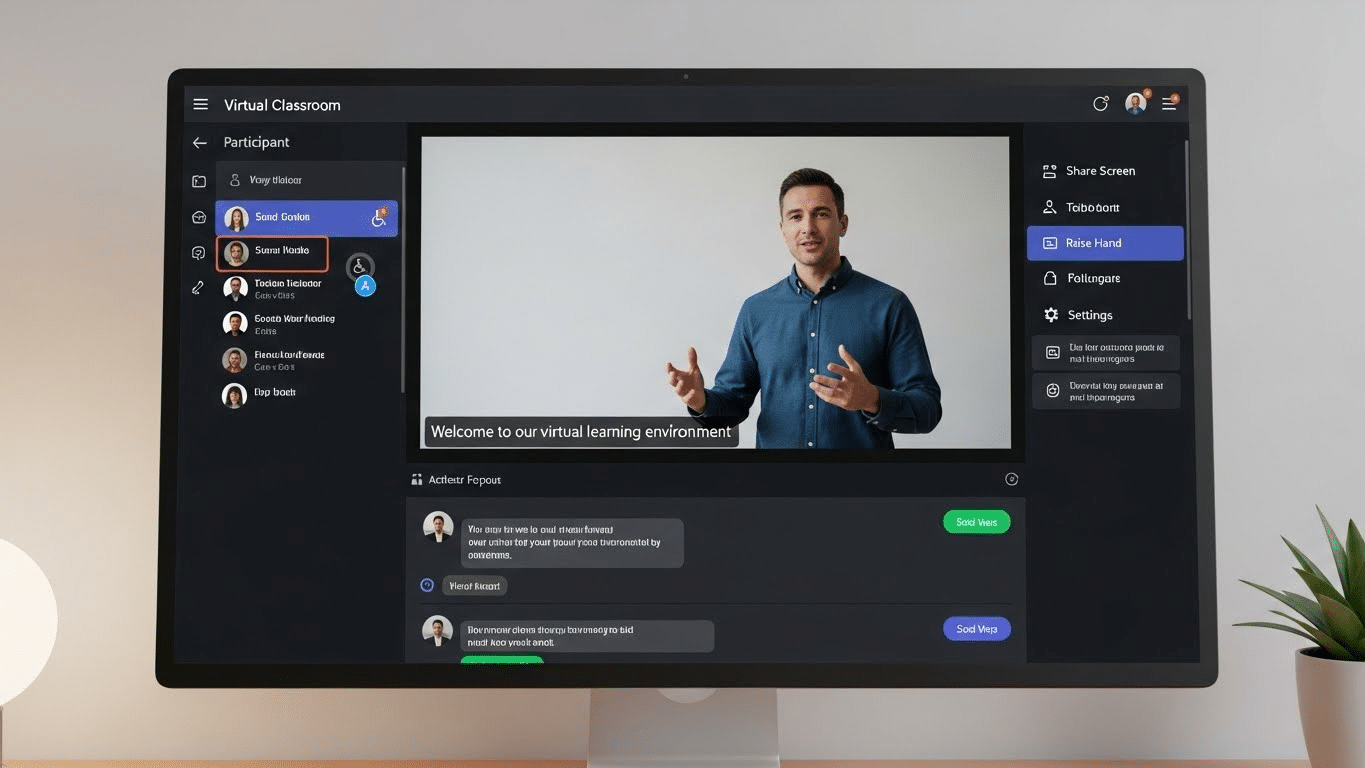
Access has always been a barrier in education. Virtual classroom technology is breaking that barrier — offering scalable solutions for learners across geographies, income levels, and learning styles.
With just an internet connection, students can access virtual classrooms from anywhere — home, a shared workspace, or even while traveling. That alone expands reach significantly, especially for those in rural or underserved areas.
For students with disabilities, virtual classrooms often provide a more supportive environment. Screen readers, closed captioning, adjustable layouts, and asynchronous materials help level the playing field.
It also empowers those managing non-traditional schedules — working adults, caregivers, or international learners — to learn at their own pace and on their own schedule. Recorded sessions and modular lessons allow for flexibility without sacrificing structure.
More importantly, virtual education eliminates many geographic and financial barriers. There’s no commute, no physical building costs, and often fewer material expenses. The classroom becomes more inclusive by design.
In times of crisis — whether due to health, natural disasters, or political unrest — virtual learning environments ensure students can continue to attend class without interruption. It’s education without borders, built for resilience and reach.
What Challenges Come with Using Virtual Classroom Platforms?
While virtual classroom technology has transformed education, it isn’t without its challenges. The shift from physical to digital environments introduces new complexities that educators and institutions must navigate.
One of the most common issues is technical support. Students and teachers alike may struggle with platform glitches, system updates, or log-in errors — often right before class starts. And without a stable internet connection, attending a session or participating in group projects becomes frustrating, if not impossible.
Another limitation is the lack of face-to-face interaction. While tools like video conferencing and chat functionality offer real-time connection, they don’t fully replace the spontaneity and nuance of in-person communication.
There’s also a learning curve. Not every user is comfortable with breakout rooms, annotation tools, or shared whiteboards. This can lead to inconsistent participation and frustration.
Data privacy is another growing concern. Platforms handling student data must ensure compliance with regulations, and educators need to be mindful of what’s being recorded, stored, or shared.
Finally, teacher burnout is real. Managing engagement, pacing, and tech issues simultaneously can wear down even experienced instructors.
These challenges aren’t deal-breakers — but they do require training, planning, and reliable virtual classroom solutions to overcome.
How Are Educational Institutions Using Virtual Classroom Solutions Today?
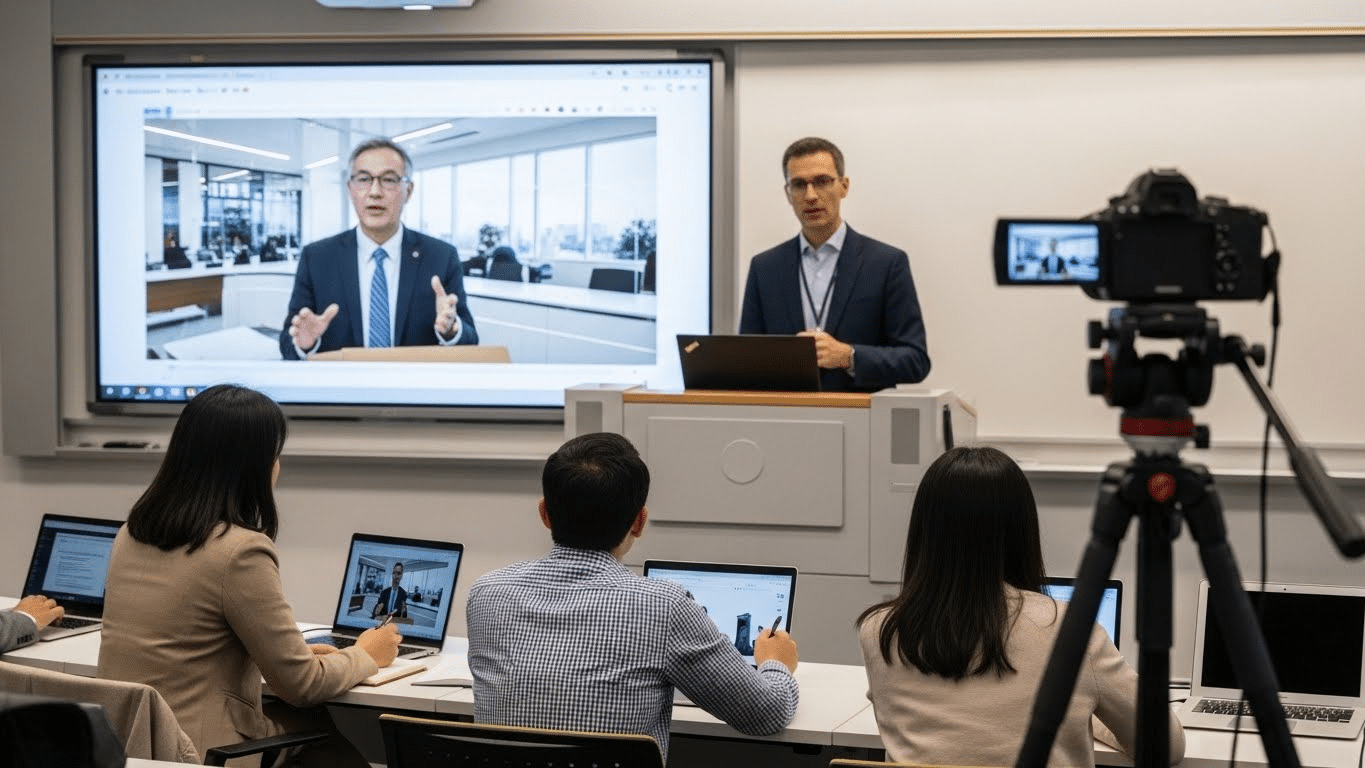
Across the education spectrum, schools and universities are embracing virtual classroom technology not just as a backup plan — but as a core part of their delivery model.
In higher education, colleges and universities are using virtual learning environments to support hybrid and fully online degree programs. Professors host live lectures via Zoom, organize class discussions in Microsoft Teams, and use platforms like Apporto to manage labs, share resources, and track participation.
Liberal arts schools are incorporating virtual field trips into their curriculum — using digital tools to bring museums, archives, or cultural landmarks directly into the classroom.
At the K-12 level, school districts are using online discussions, interactive whiteboards, and shared project spaces to keep students engaged, even when learning from home. Teachers rely on virtual classroom tools to monitor student progress, hold parent meetings, and deliver lessons that work across different devices.
The result is a more flexible, scalable, and inclusive approach to digital education — one that empowers both students and educators across every level of learning.
What’s the Future of Virtual Classrooms in the Modern Education Landscape?
Looking ahead, the future of virtual classroom technology is deeply tied to innovation. Tools are evolving to support richer, more immersive learning experiences.
Expect to see growth in virtual reality (VR) and augmented reality (AR) — enabling students to explore 3D environments, conduct simulations, or even attend lectures in virtual auditoriums. These tools make online learning more interactive and experiential.
Smart analytics dashboards will give educators real-time insight into student performance, helping them personalize instruction and intervene earlier when students fall behind.
We’ll also see more emphasis on collaborative virtual spaces, designed for team-based problem-solving and cross-disciplinary projects. These environments will move beyond simple chat rooms to support real-world simulations and shared virtual workspaces.
Ultimately, virtual classrooms are becoming part of a broader digital education ecosystem, where learning is adaptive, data-informed, and built for real-time feedback. The classroom of tomorrow is already starting to take shape today.
Soft Promotion: Apporto as a Virtual Classroom Solution
If you’re searching for a virtual classroom platform that’s simple to deploy and easy to use, Apporto stands out.
Built for both higher education and K–12 institutions, Apporto offers a browser-based virtual learning environment — no downloads or complex setups required.
features include:
- LMS integration for seamless access to course content
- Real-time collaboration with chat, polls, and shared whiteboards
- Breakout rooms, screen sharing, and intuitive tools for group interaction
Apporto enables teachers and students to stay connected and engaged in a secure, scalable environment that supports remote learning at any level. Try Apporto’s virtual classroom technology
Conclusion
Virtual classroom technology has moved beyond novelty — it’s now essential to how modern education functions. It offers real advantages: greater accessibility, deeper student engagement, and unmatched flexibility for both learners and educators.
Whether you’re running fully online courses or complementing in-person teaching with digital tools, the right platform can streamline instruction, support diverse learning styles, and empower students to succeed — wherever they are.
The first step is understanding your institution’s needs. From class size to teaching goals to technical requirements, identifying what matters most will help you choose the virtual classroom solution that fits best. Many platforms, like Apporto, offer demos or trials, making it easier to explore your options.
The shift from traditional education to connected, digital environments isn’t just happening — it’s accelerating. Institutions that embrace this change now will be better equipped to serve students in the years ahead.
Frequently Asked Questions (FAQs)
1. What is a virtual classroom used for?
2. Do virtual classrooms replace traditional education?
Not entirely. Many schools use a hybrid model, blending virtual learning environments with in-person classes to offer more flexibility.
3. Can virtual classroom tools support group work?
Yes. Most platforms include breakout rooms, shared documents, and chat features that enable peer-to-peer learning and collaborative projects.
4. What are the main features of a virtual classroom?
Essential features include video conferencing, chat functionality, screen sharing, interactive tools, and dashboards to monitor student progress and engagement.
