
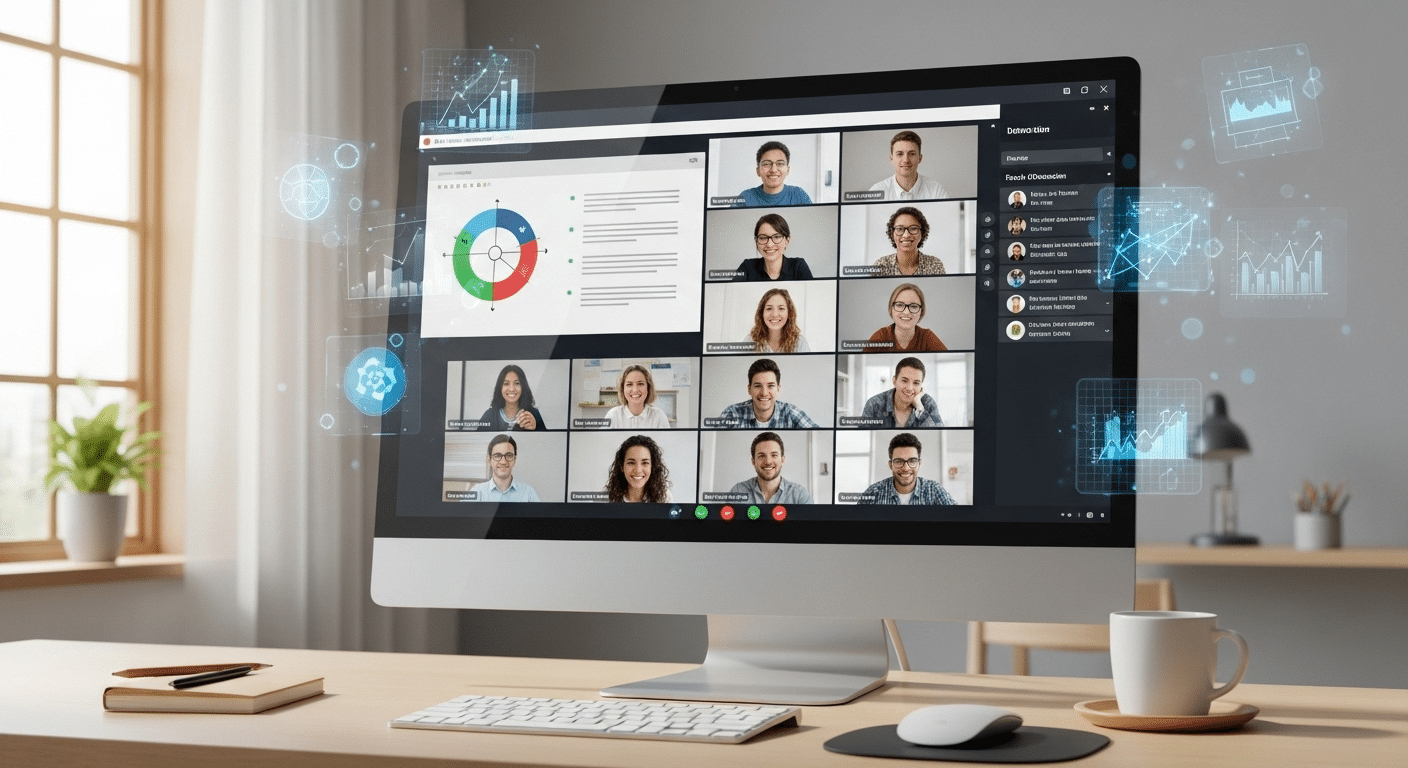
What Are the Benefits of Virtual Learning?
The benefits of virtual learning include flexible scheduling, self-paced education, lower costs, and access from anywhere with an internet connection. Online learning also helps students build digital, communication, and time management skills. Platforms like Apporto support interactive virtual classrooms, remote labs, and scalable online learning experiences.
Virtual learning is a method of education that takes place online, using digital tools rather than traditional classrooms.
Instead of attending physical lectures or labs, you engage with online classes through your device, anywhere with an internet connection.
This learning style happens inside a virtual classroom environment, often powered by online learning platforms that host video presentations, recorded lectures, discussion forums, and interactive materials.
You might complete assignments, take quizzes, or join live sessions, all within the same platform.
The use of digital tools—like chat, screen sharing, or embedded quizzes, makes online learning both flexible and engaging.
Whether you’re participating in online discussions or reviewing a lecture on your own schedule, you’re still part of a connected, structured learning space.
Let’s explore the core benefits of virtual learning in today’s digital education landscape.
Why Is Flexibility Considered the Biggest Benefit of Virtual Learning?
One of the biggest advantages of virtual learning is flexibility. You’re not bound by fixed schedules or physical locations. Instead, you can learn at your own pace, on your own schedule, and fit your education into the rhythm of your life.
This matters because not everyone can drop everything to attend class at a specific time. If you’re working full-time, raising children, or managing an unpredictable routine, a flexible schedule makes education possible, without requiring you to give something else up.
You might watch a recorded lecture during a lunch break, review materials at night, or take a quiz on a weekend.
Unlike a traditional classroom, where the structure is fixed and one-size-fits-all, self-paced learning lets you slow down for difficult topics or move quickly through things you already know. This adaptive approach allows more people to succeed, especially in ways that in-person learning often can’t accommodate.
Virtual learning makes space for life. And in doing so, it opens the door to education for people who might have otherwise been left out.
How Does Virtual Learning Support Personal and Professional Growth?
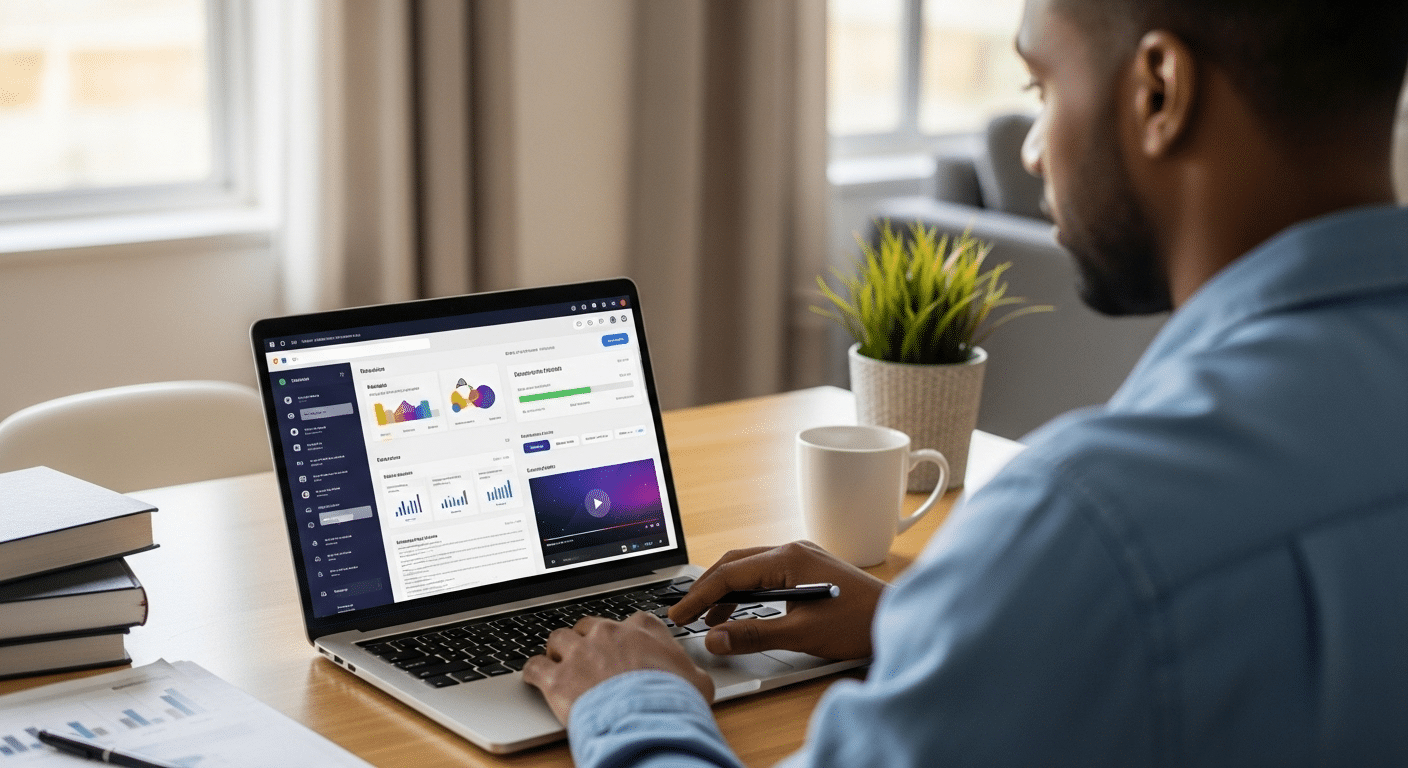
Virtual learning offers a direct path to both personal and professional development. Whether you’re trying to move up in your career or simply expand your knowledge, there are online programs and courses tailored to help you do just that.
Need a new credential to qualify for a promotion? You can pursue an online graduate degree or specialized certification from home, often while continuing to work full-time.
These programs are often structured around clear learning objectives, making it easier to track your progress and outcomes.
Beyond professional growth, virtual learning also supports personal enrichment. Want to explore a new language, learn to code, or study psychology?
The internet gives you access to structured learning experiences that match your goals, without the pressure of a formal campus setting.
By aligning coursework with specific skills or knowledge areas, online education allows you to be intentional about your growth. And because it’s accessible across time zones and life stages, it meets you where you are, not where someone else thinks you should be.
What Are the Academic Benefits of Learning Online?
Beyond convenience, online learning also delivers measurable academic benefits. Students often build critical life skills that support long-term success in and beyond education.
For starters, virtual learning promotes time management skills. With no fixed classroom hours, you’re responsible for setting a study schedule, meeting deadlines, and balancing priorities.
This structure fosters both self motivation and self discipline, skills that translate directly to the workplace.
At the same time, using digital tools daily builds technical literacy. You become more comfortable navigating collaboration tools, researching online, submitting assignments, and communicating through written formats, all essential skills in today’s world.
Perhaps more importantly, learning in this environment encourages independence. You’re not passively absorbing information; you’re responsible for how and when you engage. That ownership strengthens comprehension, retention, and problem-solving.
All in all, virtual learning is more than watching lessons on a screen. It’s a modern academic experience that helps students grow into capable, self-reliant thinkers, an outcome every educator can stand behind.
Can Online Learning Provide the Same Interaction as a Physical Classroom?
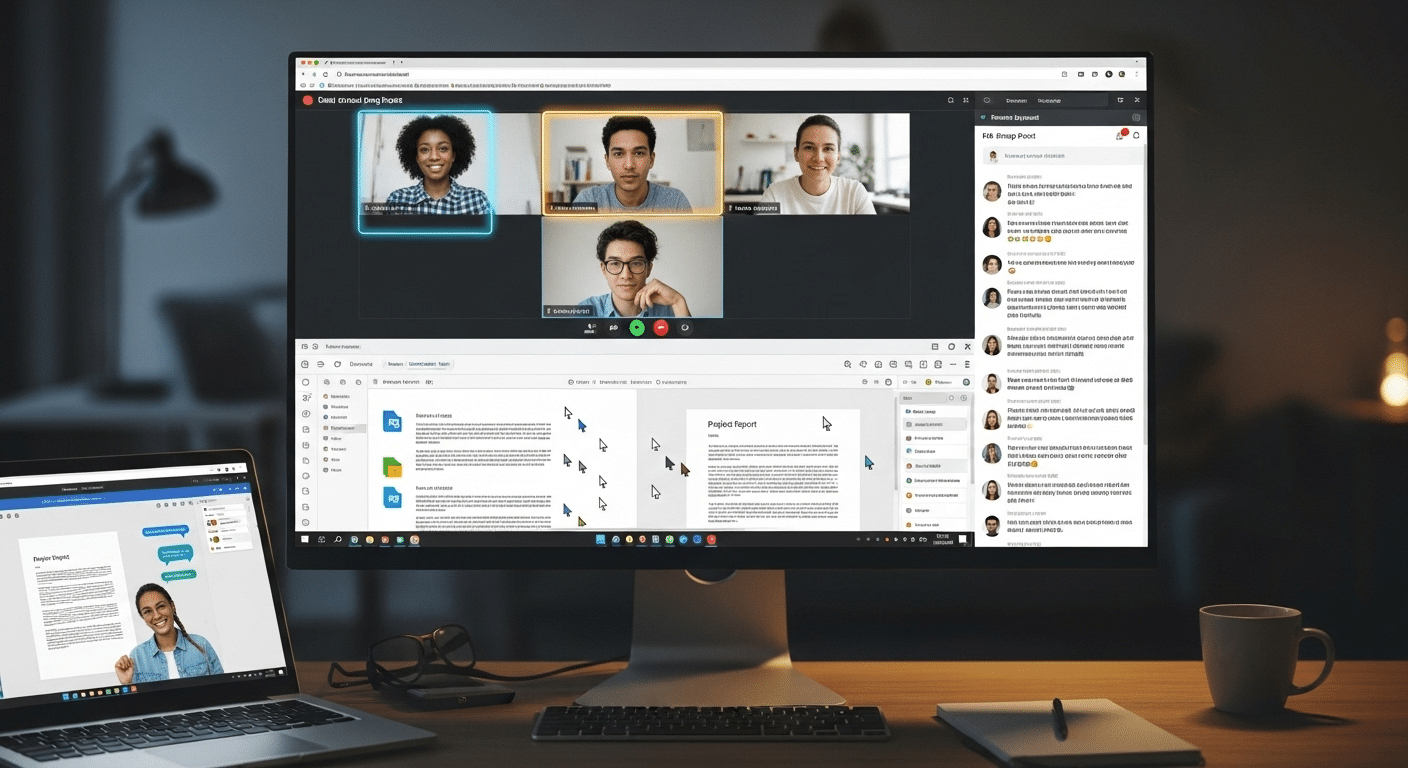
Yes, though it looks different, online learning can still foster real and meaningful interaction. In a well-designed learning environment, you’re not learning in isolation.
You’re engaging through virtual group work, participating in message boards, and receiving written or video feedback from instructors.
These tools allow you to connect with peers and faculty regularly, just as you would in a physical classroom, only through different channels. In fact, some students report deeper interactions online because they have time to reflect before responding, leading to more thoughtful discussions.
Another benefit is exposure to different perspectives. Online students often come from a wide range of backgrounds and locations. In group projects or forum threads, you’re exchanging ideas with people you might never meet in a local class.
The online learning environment continues to evolve, integrating collaboration tools that support real-time communication and ongoing engagement. While it may not fully replicate the energy of a live classroom, it can absolutely provide a rich, connected academic experience.
How Does Virtual Learning Help You Save Money and Time?
Virtual learning doesn’t just save time, it can also be significantly more affordable. Compared to regular tuition for on-campus programs, many online degrees or certificates come with reduced costs. You also avoid expenses like commuting, parking, housing, and printed materials.
Beyond finances, there’s the benefit of time. Without needing to travel or sit through fixed class blocks, you have more flexibility to complete assignments when it suits you. This means you can better balance work, study, and life, especially if you plan ahead.
There are also environmental impacts to consider. Less commuting means fewer carbon emissions. Fewer textbooks printed. Less classroom energy consumption. These hidden efficiencies add up.
So whether you’re looking to save money, make better use of your hours, or reduce your ecological footprint, virtual learning delivers real, practical benefits that go beyond the classroom.
Is Virtual Learning Right for Everyone? What to Consider First

Learning online can be a great fit, but it’s not ideal for every learner. Success in a virtual environment often depends on your ability to be self motivated, manage your time well, and stay focused without direct supervision.
It also requires reliable access to a digital device and a stable internet connection. If those aren’t consistently available, participating in distance learning or online school may be challenging.
That said, virtual learning is incredibly valuable for working professionals, remote learners, or students who need flexible scheduling.
You don’t have to be in a traditional classroom setting to get a quality education, many people find they learn better in a more self-directed space.
Still, it’s worth weighing the trade-offs. You may miss out on face-to-face interaction or campus life, but you gain independence, efficiency, and control over how and when you learn.
If those benefits align with your needs, distance education could be exactly what you’re looking for.
Looking for a Smarter Way to Deliver Virtual Learning? Try Apporto
As more institutions shift to digital-first strategies, finding the right platform to deliver virtual learning is critical. That’s where Apporto comes in. Apporto provides a powerful virtual classroom environment that supports online courses, labs, and course materials in one seamless, browser-based experience.
Whether you’re designing a program for online students, facilitating virtual group work, or delivering real-time feedback, Apporto offers the infrastructure and flexibility needed for modern education.
It’s especially helpful for schools and universities seeking to create scalable, student-centered learning environments, without the complexity of managing multiple systems.
If you’re serious about enhancing the benefits of virtual learning, Apporto makes it easier to support learners wherever they are. Try Apporto.
Conclusion
The benefits of virtual learning are too significant to overlook. With increased flexibility, broader access, practical skills development, and clear paths to career opportunities, it’s an educational model built for today’s world.
Whether you’re a student planning your next step or an educator rethinking delivery, this learning format can open doors that traditional settings might close. You get to learn at your own pace, engage with diverse peers, and use modern tools to shape your future.
Platforms like Apporto make this even more accessible by streamlining the online education experience, helping you participate fully, stay organized, and focus on your goals.
So, should you explore virtual learning? If you’re looking for a flexible, forward-thinking way to grow, the answer might already be clear. It’s not just an alternative. For many, it’s the new standard in meaningful, accessible learning experiences.
Frequently Asked Questions (FAQs)
1. What are the benefits of virtual learning?
The benefits of virtual learning include flexible schedules, learning at your own pace, and access to online courses. Students gain freedom to balance education with life and can save money on materials and commuting.
2. Is online learning as effective as in-person learning?
Virtual learning offers flexible scheduling, self-paced education, and access to classes from any location with an internet connection. It also helps students build digital communication, collaboration, and time management skills while reducing commuting and classroom-related costs for both learners and institutions.
3. What skills do students gain through virtual learning?
Virtual learning helps build time management skills, self motivation, self discipline, and technical skills. Using digital tools improves real-world readiness for students in any field.
4. Is virtual learning right for every student?
Not for all. Online students need a digital device, internet connection, and strong self-paced learning habits. Some may prefer the structure of a traditional classroom setting.
5. How do students interact in a virtual classroom?
Students connect through message boards, online discussions, and virtual group work. The virtual classroom environment encourages sharing different perspectives and active participation.
