
Can AI Replace Teachers?
AI can support teachers by automating routine tasks, analyzing student performance, and providing personalized learning support, but it cannot replace human mentorship, emotional understanding, or classroom relationships. Most schools use AI to enhance teaching, while platforms like Apporto CoTutor help educators scale student support more efficiently.
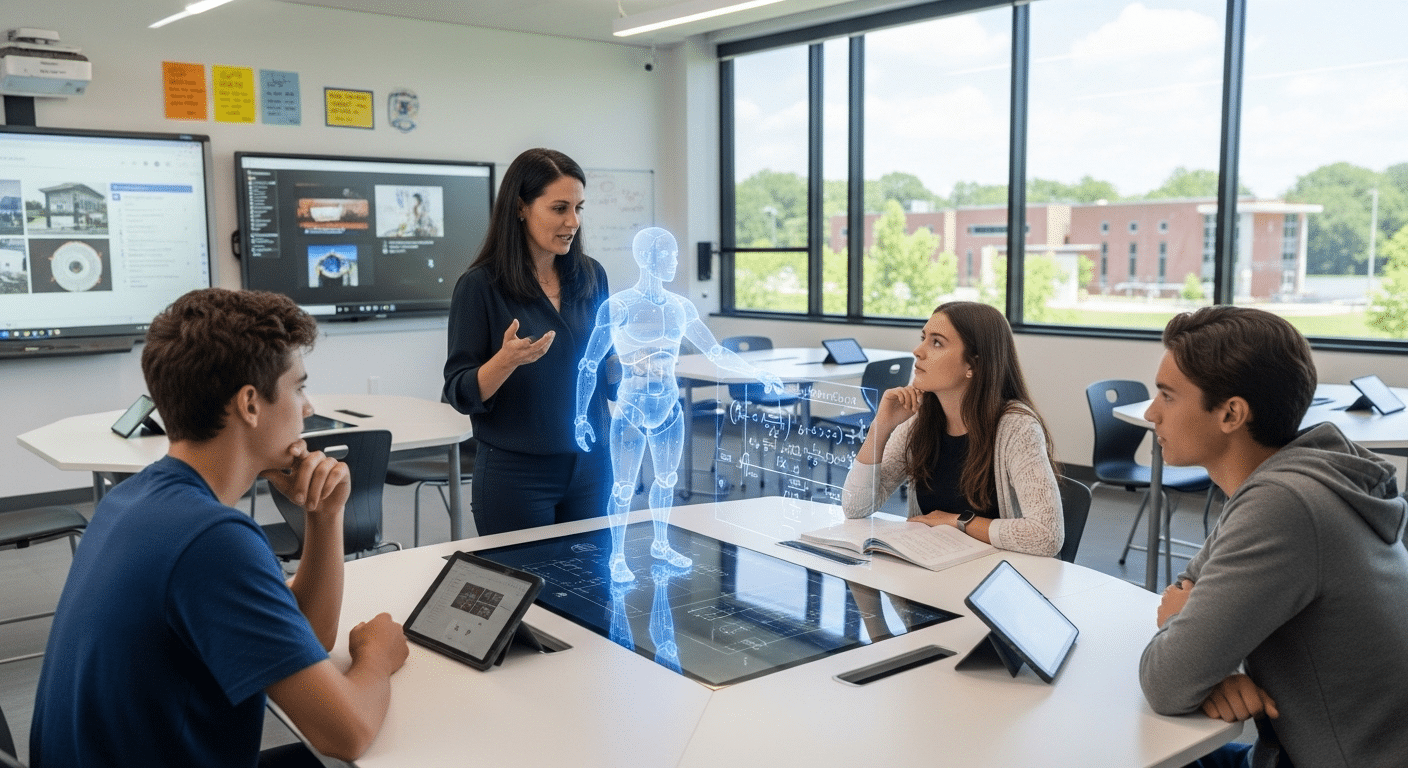
Walk into almost any modern classroom today and you’ll notice something new quietly working behind the scenes. Not another projector. Not a stack of tablets. Something far more curious. AI tools are rapidly entering education. Some generate lesson ideas in seconds. Others analyze student data, summarize assignments, or provide instant answers to questions.
Generative AI can even create explanations, quizzes, and writing feedback within moments. For many schools, the technology promises efficiency and new possibilities for learning.
Still, the excitement comes with real concerns. Many teachers worry about job security as technology becomes more capable. Parents wonder how these systems will influence their children’s learning. Students themselves are curious, sometimes enthusiastic, about what AI might mean for the classroom.
All of this leads to a growing question across education systems can AI replace teachers? In this blog, you will explore whether AI can replace teachers and how artificial intelligence is used in classrooms today, and what the future of education may truly look like.
What Does AI Actually Do in the Classroom Today?
Artificial intelligence is no longer a distant concept in education. In many classrooms, AI tools are already working quietly behind the scenes, helping teachers manage their workload and helping students learn more efficiently. These tools do not replace educators. Instead, they assist with tasks that traditionally consume large portions of a teacher’s day.
Think about how much time teachers spend preparing instruction, reviewing assignments, and organizing classroom materials. AI systems can support many of these routine tasks. When used carefully, they allow educators to spend more time engaging with students and guiding deeper learning.
AI also helps process information quickly. Large sets of assessment data can be analyzed within seconds, giving teachers clearer insight into how students are performing. That information can then shape lesson planning and classroom instruction.
How AI Tools Support Teaching and Learning?
AI assists classrooms in many ways:
- AI tools help teachers save time with lesson planning and grading.
- AI can generate draft lesson plans aligned with curriculum standards.
- AI tools summarize assessment data and provide actionable insights.
- AI can assist with routine administrative tasks, such as organizing materials.
- AI tools help educators brainstorm lesson ideas and project outlines.
- AI can suggest activities tailored to different student skill levels.
Why Do Some People Believe AI Could Replace Teachers?
The idea that AI could replace teachers does not appear out of nowhere. When people see what modern technology can do, the possibility begins to feel plausible. Generative AI systems can already explain concepts, answer questions, and guide students through assignments. In many cases, these tools respond instantly, offering feedback at any hour of the day.
AI can also support large groups of learners at the same time. One system can assist hundreds, sometimes thousands, of students without pause. For school systems facing teacher shortages or limited budgets, this scalability makes AI appear efficient and cost-effective.
There is also the power of predictive analytics. AI systems analyze attendance records, assessment results, and other data to identify patterns in student learning. With enough information, these tools can highlight students who may be falling behind.
Students often view these tools with curiosity and optimism. Teachers, however, tend to approach AI more cautiously, raising questions about reliability, understanding, and the deeper role of human educators in learning.
What Are the Biggest Advantages of AI in Education?
Artificial intelligence is often discussed in terms of risk or disruption, yet educational research also points to several meaningful advantages when AI tools are used thoughtfully. In practice, these systems act less like replacements for teachers and more like support mechanisms that expand what educators can do within limited time and resources.
One of the clearest benefits involves speed and responsiveness. AI can analyze student performance data quickly, revealing patterns that might otherwise take hours to uncover. These insights allow educators to adjust instruction and better understand how learners engage with course material.
Another important advantage is personalization. Traditional classrooms often require teachers to deliver the same instruction to many students at once. AI tools can help create learning paths that respond to individual progress, strengths, and struggles. Over time, this kind of personalized learning can deepen understanding and improve overall student learning outcomes.
Where AI Can Improve Student Learning?
AI can support student learning in several ways:
- AI can provide immediate feedback during assignments and assessments.
- AI tools can enable personalized learning paths for different learners.
- AI can help students develop research and writing skills.
- AI can help teachers analyze large datasets to improve instruction.
- AI can remove barriers for students with disabilities or remote learners.
- AI can automate repetitive tasks so educators save time and focus on mentoring students.
What Are the Risks and Challenges of AI in Schools?
Artificial intelligence can support education in meaningful ways, but its introduction into schools also raises important challenges. Technology rarely arrives without trade-offs. In classrooms, those trade-offs often involve ethics, safety, and the long-term impact on how students learn and think.
One major issue involves data privacy. AI systems depend on large amounts of information to function well. Student attendance, assessment results, writing samples, and behavioral data may all be collected to improve accuracy. While this information can produce valuable insights, it also creates serious concerns about how student data is stored, shared, and protected.
Another concern centers on how students interact with AI tools. When answers appear instantly, learners may begin accepting responses without questioning the reasoning behind them. Over time, this habit could weaken critical thinking and deeper understanding.
Educators also express caution about relying too heavily on technology. Teaching involves judgment, context, and personal interaction, areas where AI cannot fully replicate human insight.
Major Concerns Educators and Schools Are Facing
- AI systems collect large amounts of student data, raising serious data privacy concerns.
- AI models may inherit bias from training data, creating unfair academic outcomes.
- Over-reliance on AI tools may encourage superficial understanding among students.
- Students may accept AI-generated answers without evaluating accuracy or logic.
- Underfunded schools may struggle to access advanced AI systems, widening inequality.
Because of these risks, educators increasingly emphasize responsible use, training, and clear guidelines before AI becomes deeply embedded in school systems.
Why Human Teachers Still Play an Irreplaceable Role in Education?
For all the progress artificial intelligence has made, teaching remains deeply human work. Classrooms are not simply places where information moves from a screen into a student’s mind. They are social environments shaped by trust, relationships, and shared experiences. This is where human teachers make a difference that technology struggles to match.
Great teachers build a sense of community in the classroom. Students learn not only from lessons but also from the atmosphere around them. Respect, encouragement, and connection influence how children engage with learning. When students feel supported, curiosity grows naturally.
Teachers also guide students through moments that extend beyond textbooks. A struggling learner may need reassurance. Another student might be navigating personal challenges that affect focus and motivation. In these moments, understanding and empathy matter more than perfect information.
Artificial intelligence still struggles with these subtle dynamics. AI cannot reliably recognize when students are bored, excited about an idea, or quietly frustrated. It cannot fully respond when emotional support becomes necessary.
Education ultimately depends on relationships. Mentorship, guidance, and human connection continue to shape students’ lives in ways machines cannot replicate.
Can AI Replace Teachers or Will It Change Teaching Instead?
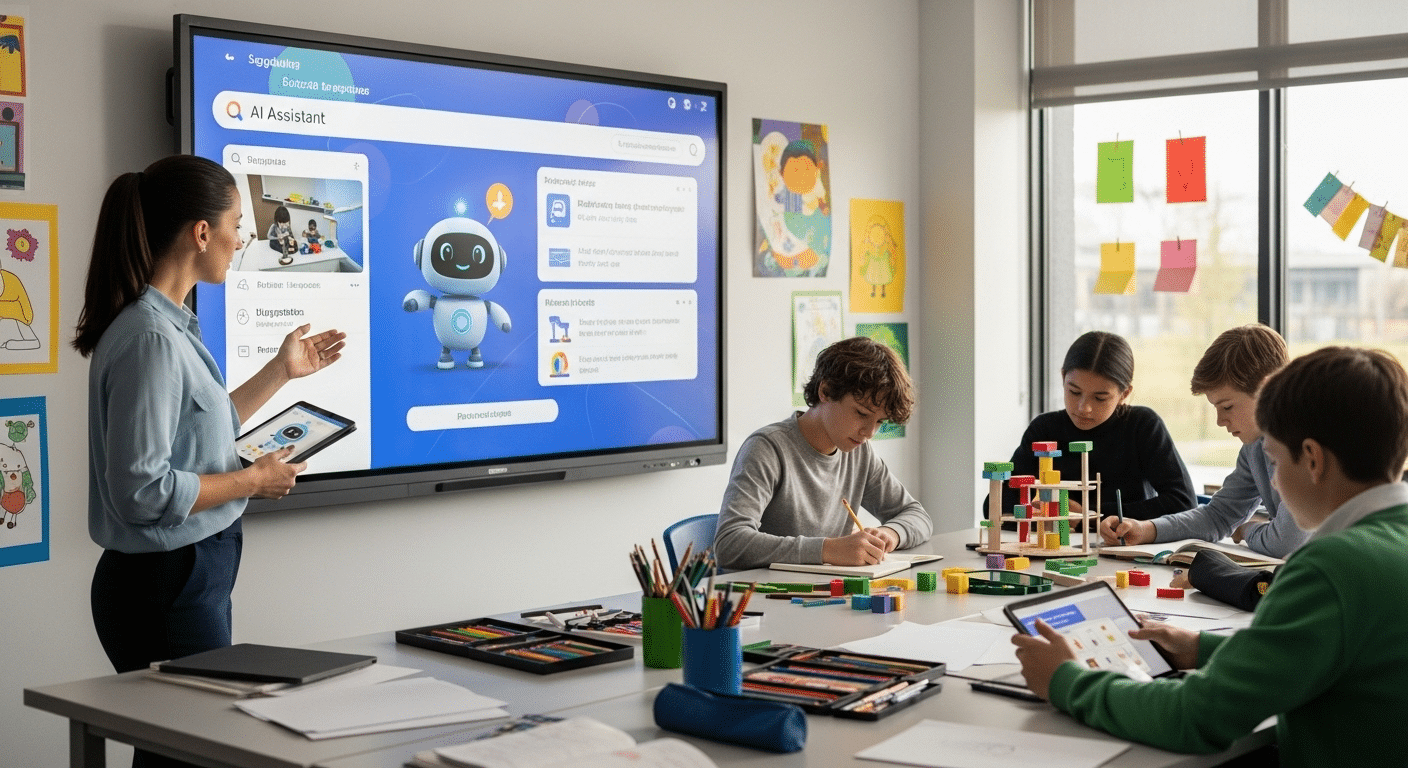
When people ask whether AI will replace teachers, the more realistic outcome is simpler. Technology tends to change teaching, not eliminate it. Education has always evolved as new tools appeared, and artificial intelligence is likely to follow that pattern.
Many AI systems are designed to handle routine administrative tasks that consume valuable time. Grading basic assignments, organizing resources, summarizing data, or generating draft materials can all be supported by technology.
When these responsibilities become lighter, educators gain more space to focus on what matters most, guiding students, encouraging creativity, and developing critical thinking.
This growing integration of AI tools into classrooms may gradually reshape daily teaching practices. AI assistants can help answer questions, provide quick feedback, and support personalized learning activities.
Still, AI cannot replace teachers in any meaningful sense until something closer to general artificial intelligence exists. That level of technology remains theoretical. For now, the future of education appears far more collaborative than competitive between educators and machines.
AI vs Human Teachers: What Each Does Best
Understanding the difference between artificial intelligence and human educators helps clarify the debate around whether AI can replace teachers.
Each plays a distinct role in education. AI systems excel at processing data and handling repetitive tasks, while human teachers bring empathy, mentorship, and contextual understanding into the classroom. The strengths of both can complement one another when used responsibly.
| Capability | AI Systems | Human Teachers |
|---|---|---|
| Personalized feedback | Fast and data-driven | Contextual and empathetic |
| Administrative tasks | Highly efficient | Often time-consuming but thoughtful |
| Emotional support | Limited emotional awareness | Strong human connection |
| Classroom engagement | Structured responses | Adaptive to classroom dynamics |
| Mentorship | Minimal guidance | Essential for growth and development |
This comparison highlights an important point. AI tools can assist education, but the human role in teaching remains central.
How AI Assistants Like CoTutor Are Supporting Teachers?
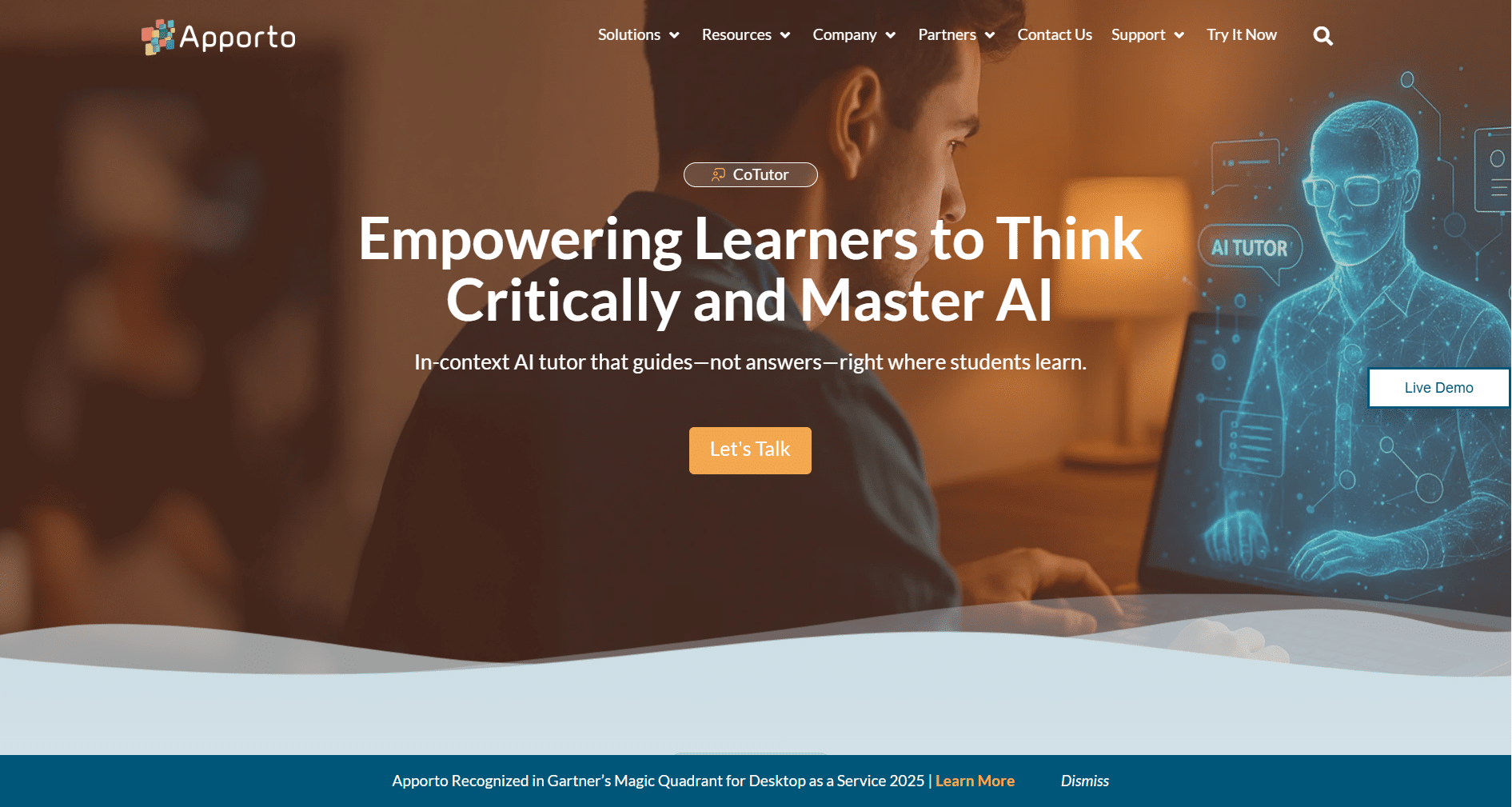
As AI continues to appear in education, a new category of technology is gaining attention, the AI classroom assistant. These systems are not designed to replace teachers. Instead, they work alongside educators, helping manage the constant flow of questions, tasks, and learning support that happens during a course. Tools like CoTutor show how this idea works in practice.
Acting as an AI-powered assistant, CoTutor can provide instant answers to common student questions, offer quick explanations, and deliver immediate feedback during learning activities. Students receive support when they need it, even outside normal classroom hours.
At the same time, the system helps educators manage large groups of learners more effectively. Routine questions can be handled quickly, while teachers remain focused on deeper instruction and mentorship.
By reducing repetitive tasks and scaling student engagement, AI tools allow educators to spend more time guiding discussion, encouraging curiosity, and supporting meaningful learning experiences.
Final Thoughts
Artificial intelligence will undoubtedly influence how education operates in the years ahead. New tools can remove barriers for students, provide faster feedback, and support teachers with time-consuming tasks. Yet classrooms still depend on something technology cannot replicate, human guidance, mentorship, and understanding. Teachers help students interpret knowledge, ask deeper questions, and grow as individuals.
Rather than replacing educators, AI works best as a supportive partner. The real question is not “Can AI replace teachers?” A more useful question is this: How can AI help teachers teach better and reach more students effectively?
Frequently Asked Questions (FAQs)
1. Is it possible for AI to replace teachers?
AI can assist with grading, personalized learning, and administrative tasks, but it cannot fully replace teachers. Human educators provide mentorship, emotional support, classroom management, and critical thinking guidance that artificial intelligence cannot reliably replicate in real educational environments.
2. Why do some people believe AI will replace teachers?
Some people see AI systems delivering instant answers, personalized lessons, and constant tutoring support. Because technology can assist large numbers of students at once, it may appear efficient enough to replace teachers. In reality, education requires human judgment and mentorship.
3. What are the biggest benefits of AI in education?
AI can help teachers analyze student performance data, automate routine tasks, and generate learning materials. It can also provide immediate feedback and personalized learning paths for students. These capabilities help educators save time while improving the overall learning experience.
4. What are the risks of using AI in classrooms?
Using AI in schools introduces concerns about student data privacy, bias in automated systems, and potential over-reliance on technology. Students may accept AI-generated answers without questioning them, which could weaken critical thinking and deeper understanding over time.
5. Why are teachers better than AI?
Teachers provide empathy, mentorship, emotional support, and real-world judgment that AI cannot fully replicate. Human educators adapt to classroom dynamics, encourage critical thinking, and build meaningful relationships with students, while AI mainly supports learning through automation, data analysis, and personalized educational assistance.
6. How can AI help teachers instead of replacing them?
AI works best as a supportive tool that handles repetitive tasks and provides quick insights from learning data. By reducing administrative workload, teachers gain more time to mentor students, encourage curiosity, and focus on deeper instruction.
