
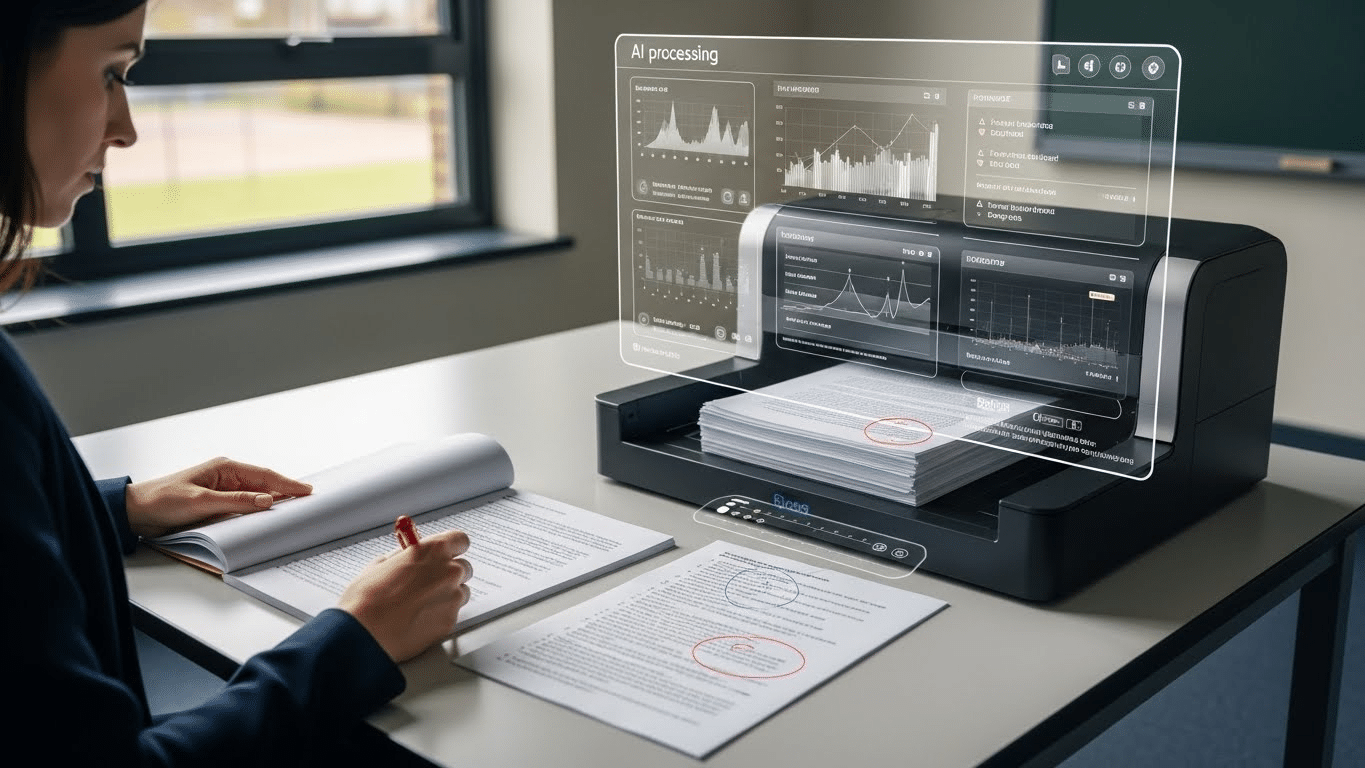
Can AI Grade Exams?
AI can grade structured exams, short answers, and rubric-based written responses with high consistency and speed. Most institutions use AI-assisted grading rather than fully automated grading, keeping educators involved in final decisions. Platforms like Apporto PowerGrader help instructors streamline grading while maintaining transparency, fairness, and human oversight.
Somewhere between the midterm rush and final exams, the same thought keeps surfacing. Exams take an enormous amount of grading time every semester, and there never seems to be enough of it.
Faculty want speed, yes, but not at the expense of fairness or rigor. That’s where AI enters the picture, carrying equal parts promise and unease.
AI grading sounds powerful. Maybe even inevitable. It also sounds unsettling. Can a system really judge student answers without flattening nuance or missing context? And what happens to the role of educators when machines enter the grading process?
This article takes that tension seriously. You’ll explore where AI can grade exams effectively, where it clearly cannot, and how educators remain firmly in control. The goal isn’t hype. It’s clarity, grounded in how grading actually works in real classrooms.
What Does It Actually Mean When People Say “AI Can Grade Exams”?
When people say “AI can grade exams,” they often mean very different things. At one extreme, it sounds like replacing professors with algorithms. That’s not what responsible AI grading looks like, and it’s not how it’s used in practice.
AI grading is better understood as AI-assisted grading. These systems support specific parts of the grading process rather than owning it end to end.
An AI grader evaluates student responses against predefined criteria, scoring guides, or custom rubrics created by instructors. It looks for patterns, alignment, and consistency. It does not decide what matters in your course.
Human graders remain responsible for final decisions. That point matters. AI can surface insights, flag inconsistencies, or draft feedback, but judgment stays with educators. In most classrooms, AI functions as a first pass. It reduces repetitive work so faculty can focus on context, critical thinking, and instructional intent.
Seen this way, AI grading isn’t about automation for its own sake. It’s about redistributing effort in the grading process, without surrendering authority.
What Types of Exams Can AI Grade Today?
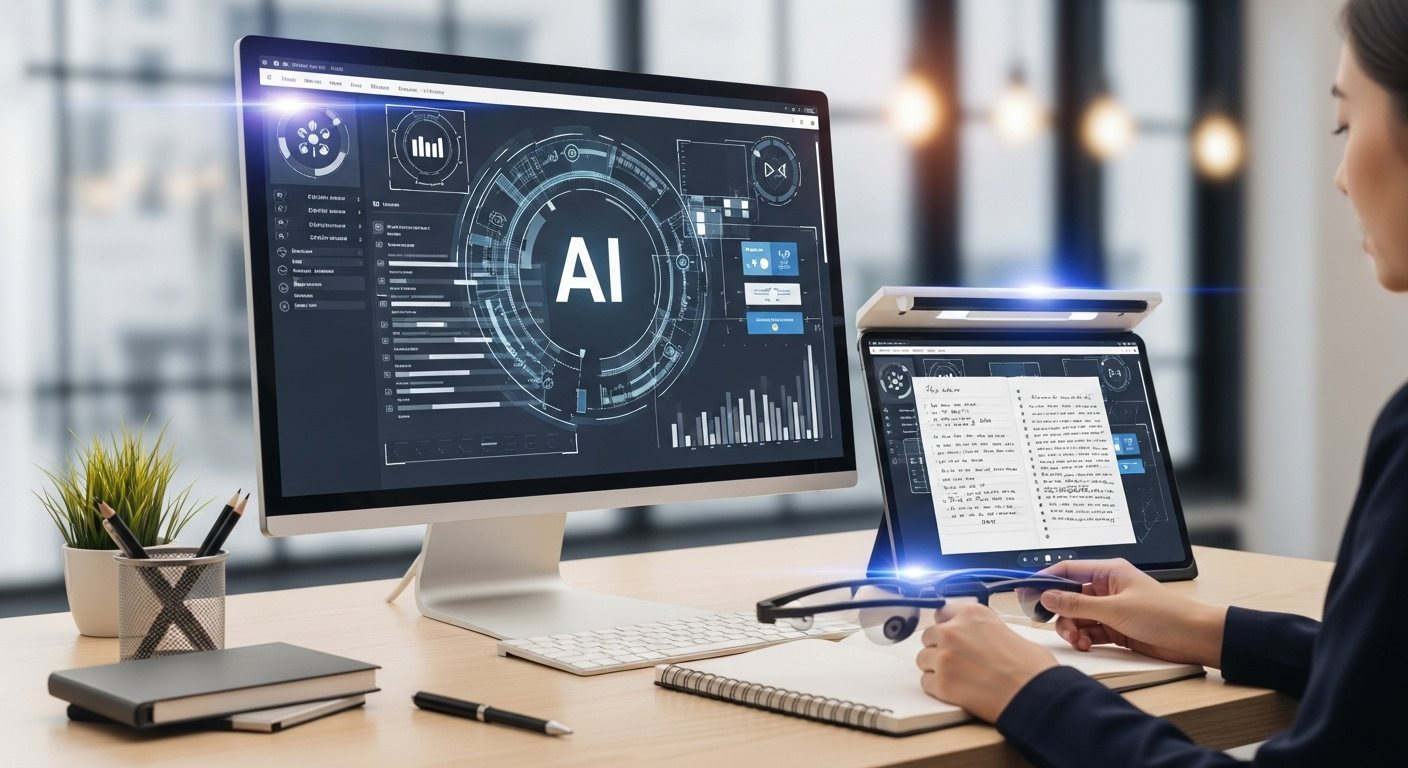
AI’s ability to grade exams depends heavily on structure. The more clearly an assessment defines what a correct or strong answer looks like, the better AI performs. That’s why some exam types are already well within reach, while others are still emerging.
Today, AI can reliably assist with several formats, especially when paired with human review:
- Multiple-choice questions, where accuracy is extremely high
- Short-answer questions, particularly when answers follow common patterns
- Essay-based written exams, using rubrics to assess structure, clarity, and relevance
- Handwritten exams, scanned and processed through optical character recognition
- Oral or communication-based assessments, with early use of speech analysis tools
In practice, this breaks down into a few categories:
- Objective exams, which AI grades with high accuracy and consistency
- Semi-structured written responses, where AI supports scoring and feedback
- Emerging formats, including handwritten and spoken exams that still require closer human oversight
The takeaway is simple. AI already handles many examinations efficiently, but its strengths depend on clarity of expectations and thoughtful use by educators.
How AI Grading Systems Evaluate Student Answers
At its core, AI grading isn’t guessing. It’s pattern work, done at scale.
When an exam is submitted, natural language processing breaks student answers into components. Syntax is examined first. Sentence structure. Flow. From there, semantics come into play. Meaning. Relevance. Whether the response actually addresses the question instead of circling it. Context matters too, especially in longer written answers where ideas build across sentences rather than appear all at once.
Machine learning then compares those answers against large datasets. Not just answer keys, but clusters of prior student responses. This is where efficiency shows up. AI can group similar responses together, making it easier to apply scoring consistently across an entire class rather than reinventing judgment for each paper.
Rubrics anchor the whole process. Custom rubrics guide scoring logic so the system evaluates what you care about, not what it assumes matters.
Under the hood, it typically looks like this:
- NLP for coherence and relevance, ensuring answers stay on task
- ML for pattern recognition, identifying common strengths and gaps
- Custom rubrics for consistency, keeping grading aligned with course expectations
Large language models don’t replace thinking here. They organize it, quickly and consistently.
Is AI Grading Accurate Compared to Human Graders?

Short answer? Sometimes. And often more than people expect.
In certain contexts, AI grading reaches accuracy levels comparable to human graders. Especially for structured exams, short answers, and rubric-aligned written responses. Where AI often outperforms is consistency. It doesn’t tire. It doesn’t drift. The first exam and the last exam are judged by the same standard.
Human graders, of course, bring strengths AI can’t match. Nuance. Creativity. An instinct for originality that goes beyond pattern recognition. These qualities matter, especially in open-ended responses where unconventional thinking deserves credit rather than penalty.
That’s why the most reliable systems don’t force a choice. They combine both. AI handles volume and consistency. Humans handle judgment and meaning.
In practice, hybrid models outperform either approach alone, delivering grading that’s more fair, more accurate, and less exhausting for everyone involved.
How Much Time Can AI Really Save When Grading Exams?
This is where skepticism often softens.
AI can reduce grading time dramatically, particularly in courses with large enrollments or repeated assessments. Tools like Gradescope have reported time reductions of up to 90% for certain assignments, especially short-answer and structured exams.
Even outside best-case scenarios, the savings are real. Hours spent scanning for repeated errors, matching responses to rubrics, or organizing grades shrink quickly. What replaces them is faster turnaround and cleaner workflows.
Faster grading creates faster feedback loops. Students get responses while the material is still fresh. Instructors regain time for teaching, mentoring, and course design.
That’s why many educators call AI grading a game changer. Not because it does everything, but because it removes the parts of grading that drain time without adding insight.
Can AI Provide Useful Feedback — Not Just Scores?
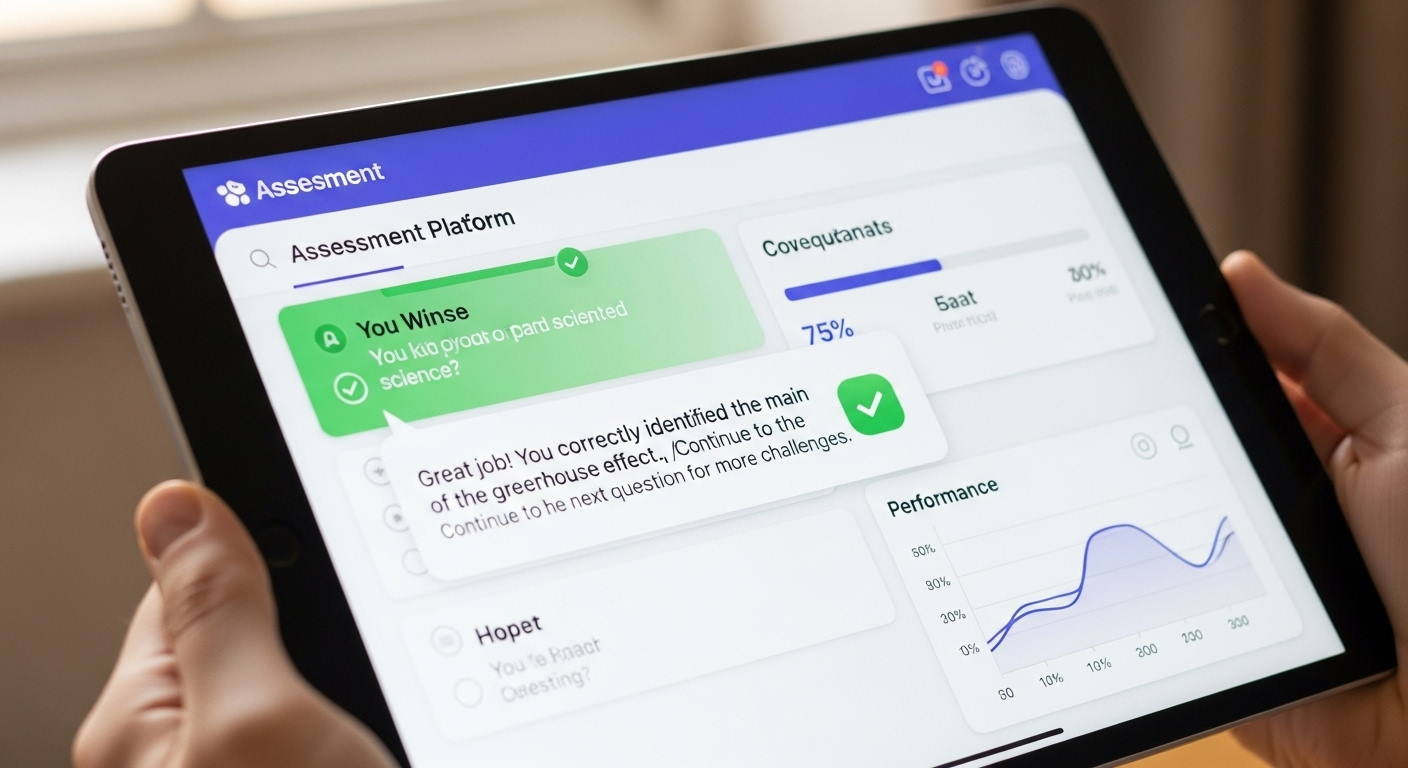
Scores alone don’t teach much. They just sit there, staring back at students, offering very little guidance about what actually worked or didn’t. This is where AI-assisted grading stfarts to earn its keep.
Modern AI grading systems can generate detailed feedback alongside scores. Not vague praise or canned comments, but explanations tied directly to rubric criteria. Why an answer earned partial credit. Which concept was applied correctly. Where reasoning drifted off course. That kind of clarity matters.
Because feedback is generated instantly, students don’t have to wait days or weeks to reconnect with the material. Instant feedback arrives while the exam content is still fresh, which research consistently shows can enhance learning and improve retention. It also lowers anxiety. Fewer unknowns. Fewer surprises.
When used well, AI delivers personalized feedback at a scale no human could realistically manage alone. It doesn’t replace conversations, but it makes those conversations sharper and far more productive.
Where AI Struggles: Bias, Creativity, and Context
This is the uncomfortable part. And it matters.
AI systems learn from data. If that data reflects narrow writing styles, cultural norms, or historical bias, the system can inherit those same blind spots. That’s not a theoretical risk. It’s a real challenge educators need to acknowledge.
Creativity is another sticking point. Unconventional answers, novel arguments, or unexpected framing can confuse models trained on “typical” responses. What a human might recognize as insightful, an algorithm might flag as incorrect simply because it doesn’t fit a learned pattern.
Context adds another layer. Cultural references. Second-language phrasing. Discipline-specific nuance. AI can struggle to interpret these fairly, which creates doubt if systems operate without oversight.
Bias, creativity, context. These aren’t edge cases. They’re reminders that AI needs guidance, limits, and constant review to stay aligned with educational values.
What About Fairness, Transparency, and Student Trust?

Trust doesn’t come automatically. It’s built, slowly.
AI grading systems can explain how a score was generated, pointing to rubric criteria and patterns in responses. That transparency helps. Students are far more likely to accept feedback when they understand the reasoning behind it.
Problems arise when systems feel opaque. If students can’t see why they received a certain score, skepticism creeps in fast. Fairness starts to feel questionable, even when the grading itself is consistent.
This is why human review remains essential. Educators provide guidance, interpret edge cases, and step in when something doesn’t sit right. AI supports the process, but humans safeguard trust.
Used transparently, AI can strengthen confidence in grading. Used blindly, it risks undermining it.
How Professors and Teachers Are Actually Using AI in Exam Grading
In practice, most educators aren’t handing exams over to machines and walking away. The real-world use is far more pragmatic. Many professors use AI as a first-pass grader, especially in large introductory courses where repetitive answers are common.
The system handles initial scoring and feedback, while faculty review flagged responses and finalize grades. If you’re comparing the best automated grading software for this type of workflow, factors such as assignment type, grading controls, and educator oversight are worth considering.
In computer science and other structured subjects, AI excels at checking correctness and consistency. Associate professors often rely on it to manage volume, not judgment. Across classrooms, the pattern is clear. AI reduces repetitive grading tasks. Faculty reclaim time. Feedback improves. And teaching stays human, where it belongs.
How PowerGrader Supports AI-Assisted Exam Grading Without Losing Human Judgment
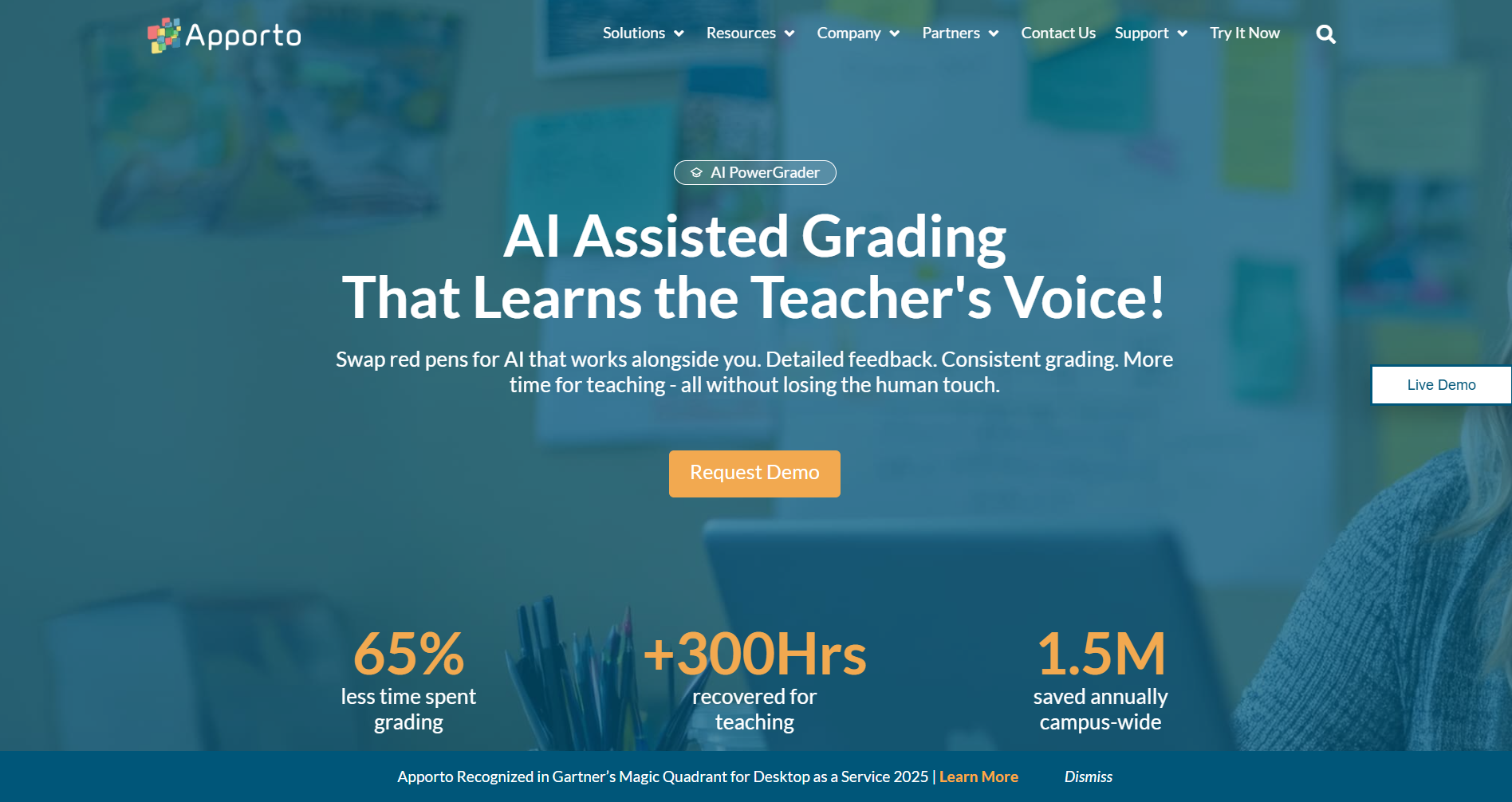
PowerGrader is built around a simple principle: control stays with instructors.
Educators define custom rubrics aligned to course goals. AI applies those criteria consistently across classes, detecting patterns and common misconceptions without overriding professional judgment. Nothing is locked in. Every score, every comment can be reviewed, adjusted, or rejected.
The platform supports consistent grading at scale, especially useful for large cohorts or multi-section courses. At the same time, its human-in-the-loop design ensures instructors remain accountable for outcomes, not algorithms.
PowerGrader doesn’t aim to replace judgment. It removes friction. Grading becomes faster, clearer, and far less exhausting, without sacrificing trust or academic standards.
So, Can AI Grade Exams — Or Should It?
Yes. AI can grade exams. Efficiently, consistently, and at a scale humans simply can’t manage alone.
But it shouldn’t decide everything.
Education isn’t just about answers. It’s about reasoning, growth, and context. AI handles structure and speed. Humans provide judgment, ethics, and meaning. Together, they form a system that’s stronger than either approach on its own.
The future of assessment isn’t automated. It’s AI-assisted. Thoughtful. Transparent. And still very much human.
Frequently Asked Questions (FAQs)
1. Do exams get AI checked?
Many schools and universities use AI detection tools to review digital exams, essays, and written assignments for possible AI-generated content. However, AI checks are typically combined with human review, grading rubrics, and contextual evaluation rather than relying entirely on automated detection systems.
2. Can teachers tell if you use ChatGPT?
Teachers can sometimes identify ChatGPT-generated writing by noticing unusual tone shifts, overly polished responses, generic explanations, or inconsistencies with a student’s typical writing style. Many educators also use AI detection tools, although human judgment and contextual review remain important during evaluation and grading processes.
3. Can AI grade handwritten exams?
Yes, AI can grade handwritten exams using optical character recognition and machine learning systems that convert handwriting into digital text for evaluation. Accuracy depends on handwriting clarity, exam structure, and rubric design, so many institutions still include human review for fairness and reliability.
4. Is AI grading fair to all students?
AI grading can improve consistency by applying the same rubric standards across all submissions, but fairness depends on training data, oversight, and system design. Human review remains important to address creativity, cultural context, unconventional answers, and potential bias in automated grading systems.
5. Can AI handle essay-based exams?
AI can assist with essay-based exam grading by evaluating structure, coherence, grammar, relevance, and rubric alignment. However, educators still play an essential role in assessing originality, creativity, critical thinking, and nuanced arguments that automated systems may not fully interpret accurately.
6. Do students trust AI grading?
Students are more likely to trust AI grading when systems provide transparent scoring explanations, detailed feedback, and opportunities for human review. Trust decreases when grading feels inconsistent or unclear, which is why many institutions use AI-assisted grading alongside instructor oversight and verification.
7. How hard is it to set up AI grading?
Setting up AI grading usually requires creating grading rubrics, integrating the platform with learning systems, and configuring evaluation criteria. While initial setup takes planning and testing, AI-assisted grading can significantly reduce repetitive grading work and improve feedback speed over time.
8. Should AI replace human graders?
AI should not fully replace human graders because education involves judgment, creativity, context, and ethical evaluation that automated systems cannot consistently interpret. Most institutions use AI to support grading efficiency and consistency while educators maintain final authority over assessment decisions and student feedback.
