
What Happens If You Violate Academic Integrity?
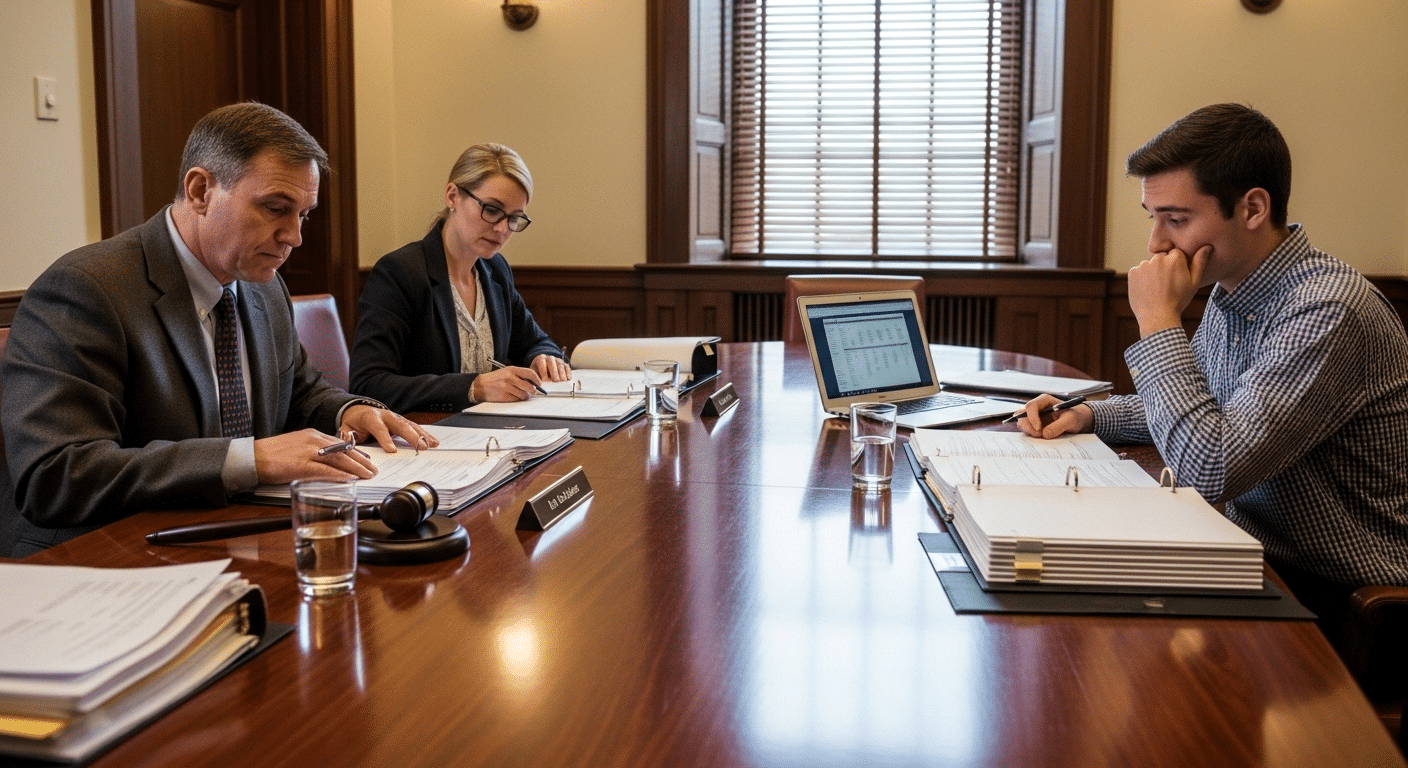
Academic integrity violations can lead to grade penalties, failing a course, disciplinary probation, suspension, or expulsion, depending on severity and institutional policy. Universities typically investigate through a formal review process, considering evidence, student response, and context before determining sanctions.
When you violate academic integrity, the response is rarely informal. Universities treat an academic integrity violation as a procedural matter, not a private disagreement between a student and an instructor.
Once a concern is reported, formal steps usually begin. Documentation is collected. Evidence is reviewed. You are notified. The process moves forward under the university’s academic integrity policy.
It is important to distinguish between an allegation and a finding of responsibility. An alleged violation means a concern has been raised. It does not mean you have been found responsible. Only after review, and often after you have had the opportunity to respond, does the institution determine the outcome.
The consequences can be layered. Academic penalties may affect your grade in a course. Administrative sanctions can impact your record. Professional consequences may follow later, especially if a violation appears on your transcript.
To understand what happens next, you need a precise definition of what qualifies as academic misconduct in the first place.
What Counts as an Academic Integrity Violation?
An academic integrity violation is defined under a university’s code as behavior that compromises honesty, fairness, or authenticity in academic work. Academic misconduct can take many forms, and the academic integrity policy usually outlines them in detail.
An alleged violation simply means a concern has been raised and evidence is under review. A proven violation means the institution has determined that the conduct breached established standards.
Plagiarism is one of the most common forms of academic dishonesty. It includes more than copying entire papers. Faulty citation, sloppy quotation marks, or summarizing a source without proper attribution can qualify.
Insufficient citation of historical facts or statistics may also be problematic if those details are not common knowledge. A frequent paragraph-level mistake is placing a single citation at the end of a long section, which may imply that all earlier sentences are original when they are not.
Misuse of artificial intelligence tools can also fall under misconduct, especially when AI assistance is not disclosed as required. Universities often distinguish between minor errors and serious breaches. Intent, scope, and context matter.
Common violations include:
- Plagiarism, including faulty citation
- Fabrication of research data
- Cheating on exams
- Collusion
- Recycling previously assessed work
- Contract cheating
- Misrepresentation of AI use
- Unauthorized assistance
Each category represents a breach of academic integrity that institutions treat seriously.
What Happens Immediately After an Allegation?

When an allegation of academic misconduct is raised, the situation moves into a structured process. It does not remain an informal conversation.
Typically, the instructor documents the concern by filing an incident form that outlines the reported violation and the supporting evidence. That report is forwarded to the appropriate office, often the Dean of Students Office or a designated academic integrity office.
You then receive a formal notification. This letter explains the allegation, references the relevant procedures, and outlines your right to respond. At this stage, the allegation has not yet resulted in a finding. It signals that a review is underway.
You are usually given an opportunity to meet with the instructor or an administrator to present your explanation. Faculty provide documentation of the assignment, source material, or exam conditions.
Evidence is reviewed carefully. In many institutions, pending charges may limit your ability to withdraw from the course or change your grading basis until the matter is resolved.
Typical procedural steps:
- Report filed by faculty member
- Notification sent to student
- Evidence shared
- Student response meeting
- Determination of responsibility
- Sanction imposed
The outcome depends on what the evidence shows and how responsibility is determined under institutional policy.
Academic Penalties: Grades, Failure, and Removal
If you are found responsible for an academic integrity violation, academic penalties are often the first consequence. These penalties directly affect your performance in the course.
In many cases, the instructor may assign a zero on the assignment in question. That single grade penalty can significantly lower your final grade, especially if the assignment carries substantial weight.
More serious violations can result in a failing grade for the entire course. A failing course grade does not only affect that semester.
It can lower your GPA, delay progress toward graduation, and affect eligibility for certain programs. The severity of the sanction often depends on several factors, including whether it is a first offense, the scope of the misconduct, your intent, and any prior record.
A first offense may lead to a grade reduction and a required educational seminar on academic integrity. Repeat offenses are treated more seriously. Disciplinary probation, suspension for a semester, or even expulsion from the university may follow.
Possible sanctions include:
- Failing the assignment
- Failing the course
- Grade reduction affecting the final grade
- Educational seminar or workshop
- Academic probation
- Suspension
- Expulsion
The outcome reflects both the nature of the violation and the institution’s commitment to maintaining integrity standards.
Transcript Notations and Permanent Records
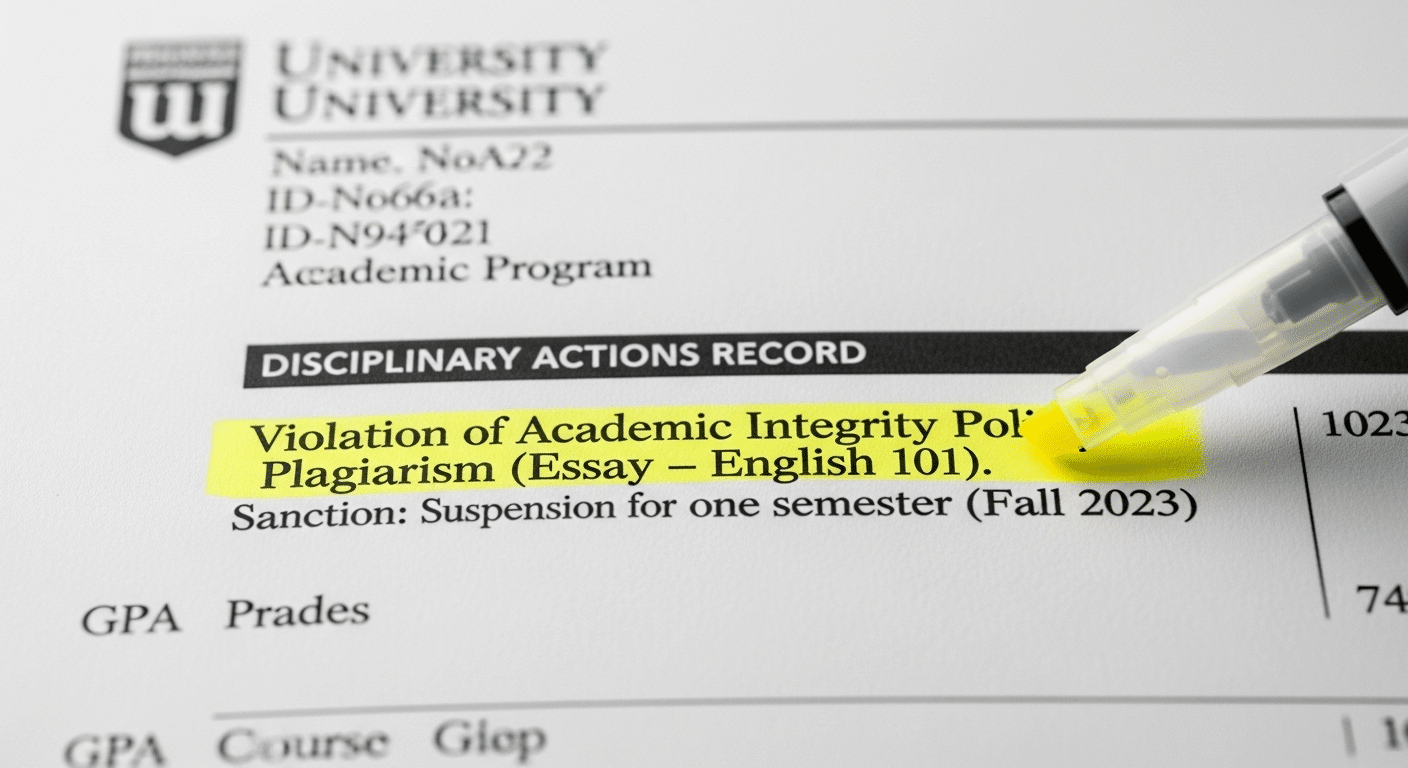
Beyond immediate grade penalties, an academic integrity violation can affect your academic record in more durable ways. Universities often distinguish between an internal file and a transcript notation.
An internal record documents the incident within the institution. A transcript notation appears on your student’s transcript and may be visible to external parties.
For a first offense, some institutions keep the record on file without placing a permanent notation on the transcript. Repeat violations, or serious cases involving fabrication or contract cheating, are more likely to result in a transcript notation. Once recorded, it can follow you beyond graduation.
Graduate and professional programs, including grad school and law school, frequently review transcripts and request disclosure of disciplinary history. A violation may raise questions about judgment and responsibility.
Financial aid eligibility can also be affected, especially if sanctions include suspension or dismissal. Scholarships and research positions may be revoked.
In extreme cases involving fraud, institutions have the authority to revoke a degree even years after it has been awarded. If plagiarism involves protected intellectual property, legal action such as fines or lawsuits may also occur. A permanent record carries consequences that extend well beyond a single semester.
The Appeal Process: Rights and Responsibilities
If you are found responsible for an academic integrity violation, you generally have the right to enter an appeal process. An appeal is not automatic. You must follow established procedures and meet specific deadlines.
Most institutions require you to submit a completed appeal form within a defined timeframe. If you miss that deadline, you may lose the opportunity for an appeal hearing.
The process often begins with a written letter to the dean explaining why you believe the decision or sanction should be reconsidered. In some cases, you may request a pre-appeal meeting with an Academic Integrity Officer to clarify expectations and logistics.
An appeal hearing may then be scheduled before a committee, sometimes involving the department chair or designated representatives.
You are expected to present evidence, which may include drafts, research notes, and original source material. After review, you will receive a written outcome letter. The committee may uphold the original sanction, modify it, or in rare cases overturn it.
Appeal pathway:
- Request pre-hearing meeting
- Submit written appeal
- Present evidence
- Attend hearing
- Receive written decision
The appeal process protects fairness, but it requires careful preparation and timely action.
Long-Term Professional Consequences

An academic integrity violation does not always end at graduation. Employers increasingly conduct background checks or request disclosure of disciplinary records. A notation on your record can raise concerns about judgment and reliability.
Even if a violation does not appear publicly, faculty members may hesitate to write strong letters of recommendation if trust has been damaged. That hesitation can quietly affect your access to research opportunities or competitive positions.
Graduate and professional programs often screen applicants carefully. A history of academic misconduct may require explanation, and in some cases it may weaken your candidacy.
Certain career paths, particularly those involving licensing or certification, expect evidence of responsibility and ethical conduct. Questions about integrity can complicate that path.
There is also the matter of habit. If dishonesty becomes normalized during your studies, it can carry into your professional life. Over time, that pattern erodes credibility.
In extreme cases involving fraud, institutions have revoked degrees years after graduation when misconduct was discovered. The consequences can resurface long after you believe the issue has passed. Your future depends not only on knowledge, but on trust.
Financial and Legal Risks
An academic integrity violation can also carry financial consequences. If you receive scholarships, grants, or funded research positions, those awards may be withdrawn after a finding of misconduct.
Some institutions suspend or terminate financial aid eligibility when students are placed on probation, suspended, or dismissed. That disruption can delay completion of your degree and increase personal financial strain.
For students preparing for competitive paths such as law school, financial setbacks combined with disciplinary records can complicate both admission and funding opportunities. Many programs require disclosure of academic misconduct, and that disclosure may influence scholarship decisions.
Legal risks, while less common, are real. Plagiarism involving protected intellectual property can lead to fines or civil lawsuits. Copyright holders may pursue action if their material is reproduced without authorization. In extreme cases, academic fraud may trigger broader legal scrutiny.
Commercial cheating services introduce another layer of risk. Students who purchase assignments from illegal providers have reported threats of blackmail, especially when payments or personal data are involved. Financial penalties are not limited to institutional sanctions. Misconduct can create external vulnerabilities that extend beyond the university.
Institutional Impact: When Violations Scale

When academic dishonesty becomes widespread, the damage extends beyond individual students. A university depends on public confidence in its standards.
If integrity is routinely violated, accreditation bodies may question whether the institution is maintaining appropriate academic oversight. That scrutiny can threaten the standing of the entire school.
Degrees also lose value when trust declines. Employers and graduate programs rely on the assumption that coursework reflects genuine achievement.
If that assumption weakens, every graduate carries the burden. The reputation of the institution becomes uncertain, even for those who upheld the rules.
Trust within the campus community also suffers. A faculty member who suspects widespread misconduct may approach grading and mentoring with caution rather than confidence. Collaboration becomes strained. Other colleges evaluating transfer credits or advanced standing may hesitate.
Academic integrity is not only a personal responsibility. It safeguards the credibility of the entire university and the long-term reputation of its graduates.
Why Severity Depends on Context
Not all academic integrity violations are treated the same. The severity of the outcome depends on context. Institutions typically distinguish between a first offense and repeated misconduct.
A first offense may result in a reduced grade or educational seminar, while a second or third offense can lead to suspension or dismissal.
Intent also matters. There is a difference between sloppy citation and deliberate deception. Forgetting quotation marks or misunderstanding citation rules may still constitute a violation, but it is evaluated differently from knowingly submitting copied material as your own.
Committees review the extent of the copied content, the significance of the assignment, and whether the conduct appears intentional.
Responsibility is determined through evidence. Draft history, similarity reports, exam conditions, and communication records may all be considered. The difference between negligence and calculated dishonesty influences sanctions. Institutions aim to apply standards consistently, yet they also examine circumstances carefully.
Severity reflects both action and context. The process is designed to determine not only whether a violation occurred, but how serious it was and what response is proportionate.
How to Protect Yourself

Protecting yourself begins with disciplined habits. You should cite sources properly in every assignment, even when you believe a fact seems obvious. If you gather information during research, acknowledge it.
Failing to do so can blur the line between your own analysis and borrowed material. When paraphrasing, sandwich citations clearly so readers understand where the source begins and where your interpretation ends. Use quotation marks accurately for exact language. Small technical errors can create serious questions.
Keep drafts, notes, and copies of research material. Those documents can help demonstrate that your work developed over time. Consult your syllabus carefully to understand your instructor’s expectations regarding collaboration, AI use, and citation standards.
If something feels unclear, ask the instructor directly rather than guessing. Do not withdraw from a course prematurely if an allegation arises. Communication and documentation matter.
Avoid commercial services that promise completed answers or essays. They carry risks beyond academic penalties. Transparency about AI use is also essential if it contributes to your writing.
Protective practices:
- Document research carefully
- Save drafts at each stage
- Verify citation format
- Ask before using AI tools
- Keep communication records
- Offer proof of originality when needed
These habits reduce uncertainty and strengthen your position if questions arise.
Intelligent Review and Responsible Oversight
Responding to an academic integrity violation requires more than automated detection tools. Similarity software can flag patterns, but it cannot determine intent, context, or responsibility. A balanced system depends on careful review, not reflexive accusation.
Universities must evaluate academic misconduct with structured procedures that consider evidence, drafts, communication history, and assignment expectations.
Context-based review protects standards while also protecting students. Pattern analysis across student work can reveal inconsistencies more accurately than isolated flags. At the same time, human oversight remains essential. Faculty and review committees must interpret findings thoughtfully, weighing severity and circumstance before imposing sanctions.
Institutions that rely solely on detection risk undermining trust. Those that integrate intelligent systems with transparent procedures reinforce both fairness and accountability.
Solutions such as TrustEd support universities in analyzing potential academic integrity violations while keeping human judgment central.
This approach strengthens institutional credibility and ensures that student work is evaluated with rigor, clarity, and proportional response. A responsible oversight model preserves both academic standards and student confidence.
Conclusion
An academic integrity violation is not a minor administrative event. It can alter your course grade, affect your transcript, interrupt your progress toward graduation, and follow you into graduate study or employment.
What happens if you violate academic integrity depends on context, evidence, and prior record, but the consequences are rarely trivial.
Integrity shapes your academic and professional trajectory. The habits you form in a single semester can influence recommendation letters, research opportunities, financial aid eligibility, and long-term credibility.
Universities treat violations seriously because trust is foundational to education. Without it, grades lose meaning and credentials lose value.
Proactive awareness is your strongest protection. Understand your institution’s academic integrity policy. Read assignment instructions carefully. C
ite sources properly. Ask questions when expectations are unclear. Preserve drafts and documentation. These steps may seem simple, yet they protect your record and your future.
Institutions also carry responsibility. Clear procedures, fair review, and intelligent oversight strengthen both accountability and student trust. When integrity is upheld consistently, the entire academic community benefits.
Frequently Asked Questions (FAQs)
1. What happens if it is your first offense?
A first offense often results in a grade penalty, such as a zero on the assignment or a reduction in your final grade. Some institutions require an educational seminar on academic integrity. In many cases, the record is kept internally, though repeat violations can lead to more severe sanctions.
2. Can an academic integrity violation appear on your transcript?
Yes, depending on the severity of the violation and institutional policy. Some cases result in a transcript notation, while others remain in an internal file. Repeat or serious misconduct is more likely to appear on your student’s transcript.
3. Can you lose financial aid?
You can. Suspension, dismissal, or removal from an academic program may affect financial aid eligibility. Scholarships and funded research positions can also be revoked following a finding of responsibility.
4. Can a university revoke a degree?
In extreme cases involving fraud or serious academic misconduct, institutions have the authority to revoke a degree, even years after graduation. This typically occurs when misconduct is discovered after the credential has been awarded.
5. How does the appeal hearing work?
You must submit a written request within the designated deadline. A committee reviews the evidence during an appeal hearing, and you may present documentation such as drafts or source material. A written decision is issued after review.
6. What if you were wrongly accused?
You have the right to respond and present evidence. Document meetings, preserve drafts, and follow formal procedures carefully. Timely communication strengthens your position during review.
7. Do employers see academic misconduct?
Some employers conduct background checks or request disclosure of disciplinary history. Even without a transcript notation, damaged relationships with professors may affect recommendation letters and professional opportunities.
