

Why Is Digital Employee Experience Important?
Digital employee experience (DEX) refers to how employees interact with workplace technology, including devices, collaboration tools, internal systems, and digital workflows. A strong DEX improves productivity, employee satisfaction, and retention by reducing digital friction and making daily work more efficient, reliable, and accessible across hybrid and remote environments.
You probably do not think about your digital employee experience until something breaks. A login fails. A dashboard stalls. A collaboration tool freezes mid-call. Small irritations, sure. But stack enough of them together and the workday starts to feel heavier than it should.
Hybrid and remote work have made one thing obvious, the digital workplace is now the real workplace. Your teams depend on digital tools for nearly every task, from internal communications to performance reviews to managing leave requests.
When those tools work well, employee engagement rises almost quietly. When they do not, employee satisfaction slips, sometimes faster than leadership expects.
There is a measurable link between employee experience and business outcomes. Companies investing seriously in digital transformation consistently report higher productivity and stronger retention. That is not coincidence. It is cause and effect.
Digital employee experience matters today because your workforce interacts with technology more than with policy manuals or office walls. If those digital interactions feel clumsy or fragmented, performance suffers. If they feel intuitive and reliable, momentum builds. And momentum, in business, is never accidental.
What Is Digital Employee Experience (DEX) in Simple Terms?
At its core, digital employee experience, often shortened to DEX, refers to how effectively you and your teams interact with workplace technology. It is not a single tool or platform. It is the cumulative effect of every digital interaction that shapes the employee experience throughout the workday.
Think of it this way. Each time employees interact with digital tools, they form an impression. Logging into HR systems. Submitting an IT ticket. Accessing shared files. Joining a video call. Requesting time off. Those touchpoints, repeated daily, create the employee’s digital experience. When they function smoothly, work feels coherent. When they fail, even small delays compound into frustration.
Digital employee experience DEX encompasses the entire digital workplace experience, from onboarding new hires to managing benefits and performance reviews. It includes the responsiveness of devices, the usability of collaboration tools, the clarity of internal communications, and the accessibility of digital resources needed to complete daily tasks.
It is, in practical terms, the sum of perceptions about digital experiences across the employee journey. If systems are intuitive, integrated, and reliable, employees feel supported. If systems are fragmented or slow, confidence erodes.
Digital employee experience examples range from unified login portals that reduce password fatigue to AI-driven self service tools that resolve routine questions instantly. Each element contributes to a broader truth, your technology either enables performance or quietly undermines it.
Why Is Digital Employee Experience Important for Productivity and Retention?
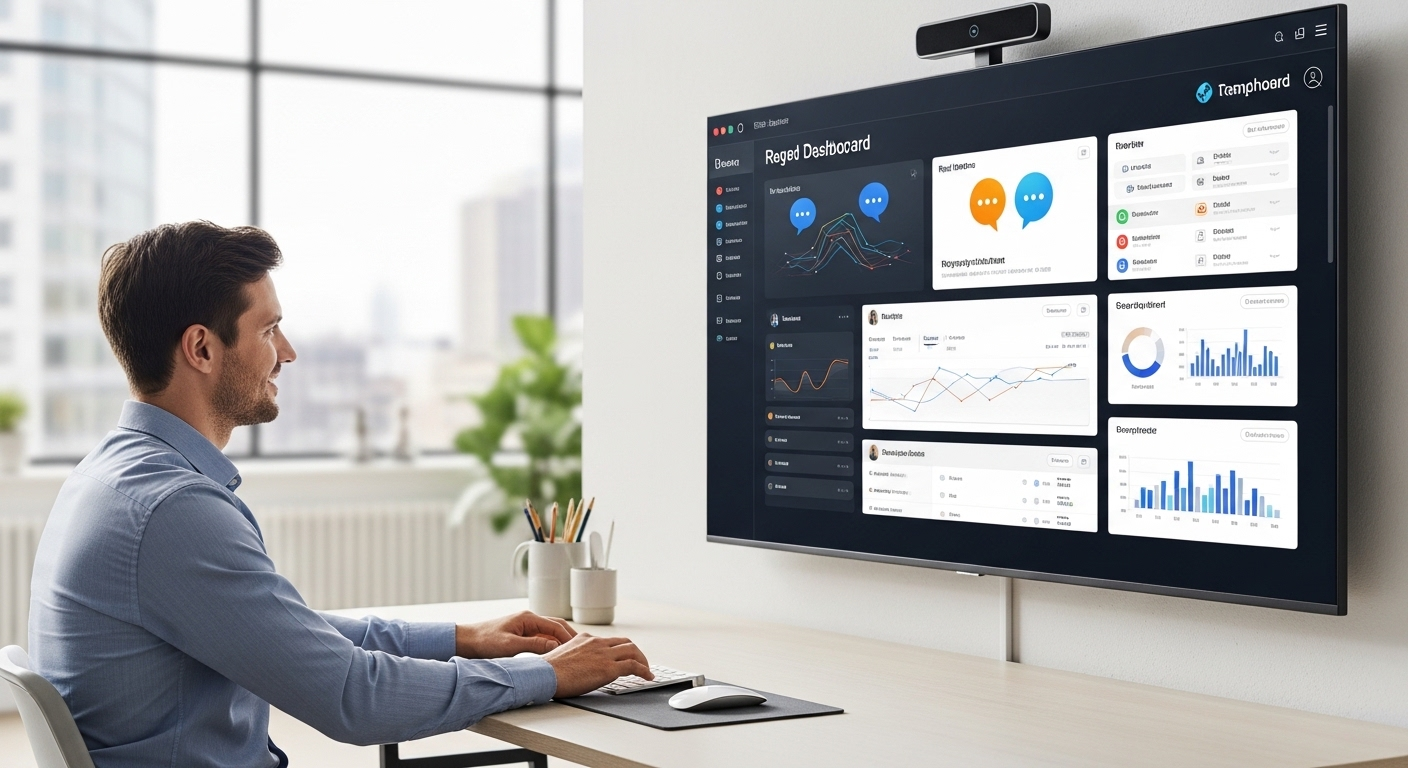
The cost of poor technology rarely appears as a line item. It shows up in minutes lost, tabs reopened, passwords reset, files hunted down across scattered systems. Research suggests employees can lose up to 13 hours per week due to inefficient digital experiences. That is nearly a full working day gone, not to strategy or creativity, but to friction.
When digital tools function well, the effect is measurable. Organizations that invest in a positive digital employee experience report productivity increases of up to 23 percent. That lift does not come from working longer hours. It comes from reducing interruption, simplifying processes, and removing procedural drag.
The retention impact is equally stark. Thirty-two percent of employees report leaving roles due to poor workplace technology. Another 36 percent have considered quitting for the same reason. Technology, once viewed as back-office infrastructure, now influences employee morale and job satisfaction in tangible ways.
When digital systems are slow or confusing, frustration builds quietly. Over time, that frustration shapes perception. Employees begin to associate the organization with inefficiency rather than opportunity. By contrast, a strong DEX signals investment. It communicates that the company values its people’s time and attention.
How strong DEX improves outcomes:
- Higher employee productivity
- Improved employee retention
- Stronger employee morale
- Ultimately boosting productivity
Technology may not inspire loyalty on its own. But poor technology, consistently experienced, certainly discourages it.
What Are the Key Components of a Strong Digital Employee Experience?
A strong digital employee experience does not happen by accident. It is built deliberately, through thoughtful design choices and consistent operational discipline. At its foundation, every key component works toward the same goal, reducing friction so work can move naturally.
User friendly tools sit at the center. If employees need extensive training just to navigate internal systems, something is already misaligned. A well-designed digital workplace should feel intuitive. Buttons make sense. Processes follow logical steps. Self service portals resolve routine requests without delay.
Reliability is equally critical. Slow devices, unstable connections, and lagging applications disrupt concentration. Reliable workplace technology protects focus, which in turn protects employee productivity. When systems respond consistently, confidence grows.
Processes must also be streamlined. Redundant approvals, scattered documentation, and disconnected platforms undermine efficiency. A unified digital workspace that offers seamless access across tools, ideally supported by single sign-on, reduces password fatigue and unnecessary repetition.
Communication matters more than many leaders realize. Internal communications should be clear, accessible, and integrated within collaboration tools employees already use. Fragmented messaging leads to confusion and wasted time.
Finally, personalization strengthens relevance. Different roles require different digital resources. Tailoring interfaces and access rights ensures employees see what they need, not clutter.
Core components of a strong digital employee experience include:
- User-Centric Design
- Reliable Workplace Technology
- Seamless Access and SSO
- Personalization by Role
- Effective Internal Communications
When these elements align, digital interactions feel coherent rather than chaotic. That coherence becomes a competitive advantage.
How Does Technology Performance Directly Impact Employee Sentiment?

You can measure system uptime. You can track ticket volume. What you cannot always see, at least not immediately, is how poor technology performance reshapes employee sentiment.
Start with the basics. Slow devices. Lagging applications. Systems that freeze mid-task. None of these issues appear catastrophic on their own. Yet repeated daily, they introduce digital friction that quietly erodes focus. Instead of concentrating on strategy or execution, employees wait. They retry. They escalate. The emotional cost accumulates.
IT ticket overload compounds the effect. When internal systems break or behave unpredictably, support queues grow. Delays in assistance leave employees stranded mid-process. Frustration follows. Over time, those friction points become familiar pain points, shaping how employees feel about the broader work environment.
Fragmented systems add another layer. Knowledge scattered across platforms forces employees to search repeatedly for information that should be centralized. Each search consumes time and attention. Lower employee satisfaction often stems not from dramatic failure, but from constant inefficiency.
Root cause analysis becomes essential here. Instead of reacting to individual complaints, organizations need to identify patterns. Are devices outdated? Are collaboration tools poorly integrated?
An efficient workplace depends on reliable infrastructure. When technology performs consistently, employees regain cognitive bandwidth. When it does not, sentiment declines, sometimes more quickly than leadership anticipates. The connection between performance and perception is not theoretical. It is lived, daily.
How Can You Measure Digital Employee Experience Effectively?
You cannot improve what you do not measure. That principle applies directly to digital employee experience. Measuring DEX requires more than annual surveys or occasional check-ins. It demands continuous feedback and structured observation of how employees interact with workplace systems.
Start with employee feedback loops. Short, recurring pulse surveys can reveal shifts in user satisfaction before problems escalate. Direct comments often uncover hidden pain points in business processes that data alone may miss. Employees tend to describe friction clearly when given space to do so.
At the same time, quantitative signals matter. Digital friction leaves measurable traces. Support ticket data, frequency of password resets, and time spent searching for information across platforms all indicate where systems may be failing. High ticket volumes often point to unreliable internal tools. Repeated password resets suggest authentication barriers that disrupt productivity.
To measure digital employee experience effectively, combine perception and performance metrics. Together, they form the backbone of a sustainable digital employee experience strategy.
Below is a simple framework:
| Metric | What It Reveals | Impact on Business |
|---|---|---|
| Support Ticket Volume | Frequency of technical disruptions | Higher operational costs and workflow delays |
| Password Reset Frequency | Authentication friction | Reduced productivity and lower user satisfaction |
| Time Spent Searching | Knowledge fragmentation | Inefficient business processes |
| Employee Feedback Scores | Perceived usability and performance | Direct influence on engagement and retention |
When measurement becomes ongoing rather than reactive, improvement becomes strategic instead of accidental.
What Role Does AI Play in Modern Digital Employee Experience?
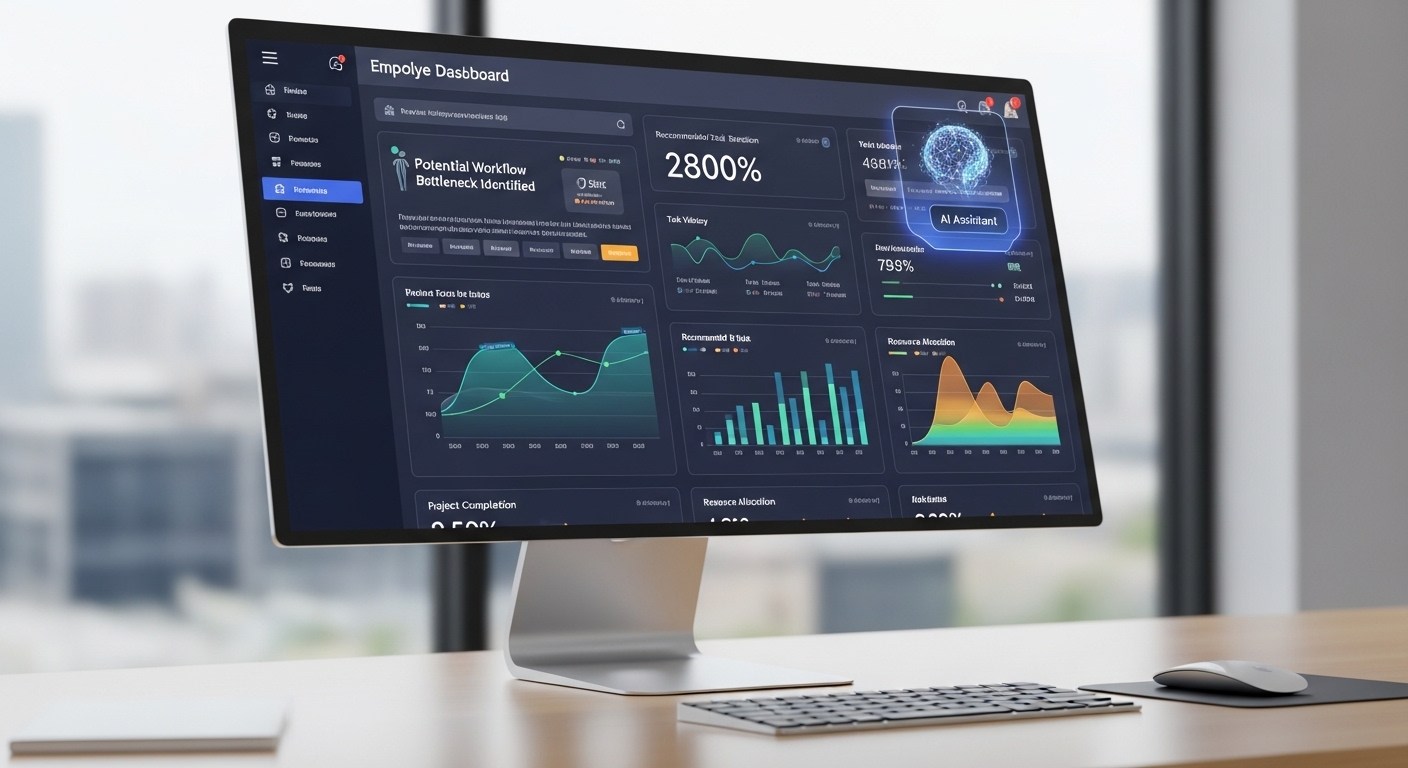
Artificial intelligence has moved from novelty to infrastructure. In the context of digital employee experience, AI functions less as spectacle and more as quiet acceleration. When integrated thoughtfully, it reduces friction in ways that are immediately practical.
AI-powered self service tools allow employees to resolve routine questions without waiting in support queues. Instead of submitting tickets and waiting hours, sometimes days, intelligent chatbots can provide answers instantly. These systems draw from centralized knowledge bases and past issue patterns to deliver accurate guidance. That immediacy reshapes expectations around employee service.
AI-driven automation also streamlines repetitive workflows. HR systems can automatically process common inquiries about benefits or leave policies. IT services can auto-classify incoming requests and route them to the appropriate teams. Over time, automation reduces manual overhead and improves response consistency.
Device performance presents another opportunity. AI-driven device refresh recommendations analyze usage patterns, warranty status, and system performance metrics to determine when hardware should be upgraded or replaced. Instead of reacting to failures, organizations act proactively.
Modern dex tools increasingly deliver real-time insights. Rather than relying on quarterly reviews, leaders receive continuous visibility into system health and user satisfaction trends. That responsiveness transforms DEX from reactive troubleshooting into a comprehensive dex solution aligned with strategic planning.
How AI improves DEX:
- Faster employee service resolution
- Reduced IT and HR workload
- Proactive device management
- Real-time operational visibility
When implemented responsibly, AI enhances efficiency without adding complexity. The goal is not more technology. It is better support for professional development and daily performance.
How Do Unified Digital Workspaces and Single Sign-On Improve DEX?
Few things drain focus faster than repeated logins. Password resets. Multi-step authentication loops. Searching for the correct portal. Over time, that repetition becomes background friction. A unified digital workspace addresses this directly.
Single Sign-On, often abbreviated as SSO, allows employees to log in once and gain seamless access across digital platforms. Instead of juggling credentials for collaboration tools, HR systems, and internal dashboards, users move fluidly between applications. That reduction in password fatigue may sound minor. It is not. Every saved minute compounds across the workforce.
A unified digital workspace does more than centralize access. It consolidates digital resources employees rely on daily, reducing the need to switch between disconnected systems. When tools integrate cleanly, processes feel coherent. Employees complete tasks faster, with fewer interruptions.
From an operational perspective, SSO helps streamline operations. Fewer login errors mean fewer support tickets. IT teams spend less time resetting passwords and more time addressing strategic improvements. Visibility improves as well, since access management becomes centralized rather than scattered across departments.
An effective digital employee experience solution should prioritize seamless access. When employees can navigate platforms without procedural obstacles, attention remains on outcomes rather than obstacles. Reduced friction leads to measurable gains in employee productivity and user satisfaction.
Sometimes, improvement begins with something simple. Remove the unnecessary barrier. Let work begin without delay.
What Are the Biggest Barriers to Building a Great Digital Employee Experience?

Designing a strong digital employee experience sounds straightforward in theory. In practice, obstacles surface quickly. The most cited barrier is budget. Around 40 percent of executives and practitioners identify budget constraints as the primary limitation when trying to improve workplace technology. Allocating resources toward DEX initiatives often competes with other priorities tied to digital transformation.
Resistance to change also slows progress. Stakeholders may hesitate to replace existing systems, even when those systems contribute to inefficiency. Familiarity can mask dysfunction. Employees may feel overwhelmed when new platforms are introduced without comprehensive training. Without clear communication, improvement efforts are mistaken for disruption.
Disconnected systems remain another persistent challenge. Many organizations operate with tools that solve specific needs but fail to integrate cleanly. Data sits in silos. Internal processes become fragmented. Employees move between platforms repeatedly, losing time and clarity.
Limited IT support compounds these issues. When support teams are understaffed, even small technical problems linger. Delays reduce trust in workplace systems and lower overall satisfaction across different employee segments.
Some common DEX challenges include:
- Budget constraints
- Resistance to change
- Disconnected systems
- Tool overload
- Limited IT support
Addressing these barriers requires intentional strategy. Otherwise, friction persists quietly.
How Should IT and HR Collaborate on a Digital Employee Experience Strategy?
A digital employee experience strategy cannot sit solely within IT, nor can it belong exclusively to human resources. It exists at the intersection. IT teams understand systems, infrastructure, and security. Human resources understand employee needs, engagement patterns, and professional development. When those perspectives remain separate, gaps appear.
Alignment begins with shared objectives. Instead of measuring success only through uptime or policy compliance, both teams should focus on outcomes that matter to the digital employee. How easily can someone access tools? How quickly can they resolve issues? These questions bridge technical performance and employee sentiment.
Employee service integration is essential. HR systems and IT services should connect rather than operate in parallel. When onboarding, benefits management, device provisioning, and access permissions are coordinated, friction decreases. An engaged workforce depends on that cohesion.
Role-based personalization also requires collaboration. Different employee segments require different digital resources. IT configures access controls. Human resources define role requirements. Together, they tailor environments that support productivity without unnecessary clutter.
A mature dex strategy treats technology and people as interconnected variables. When IT and HR collaborate consistently, digital interactions become coherent rather than fragmented. That coherence supports retention, engagement, and measurable business performance.
What Does an Optimal Digital Employee Experience Look Like in Practice?
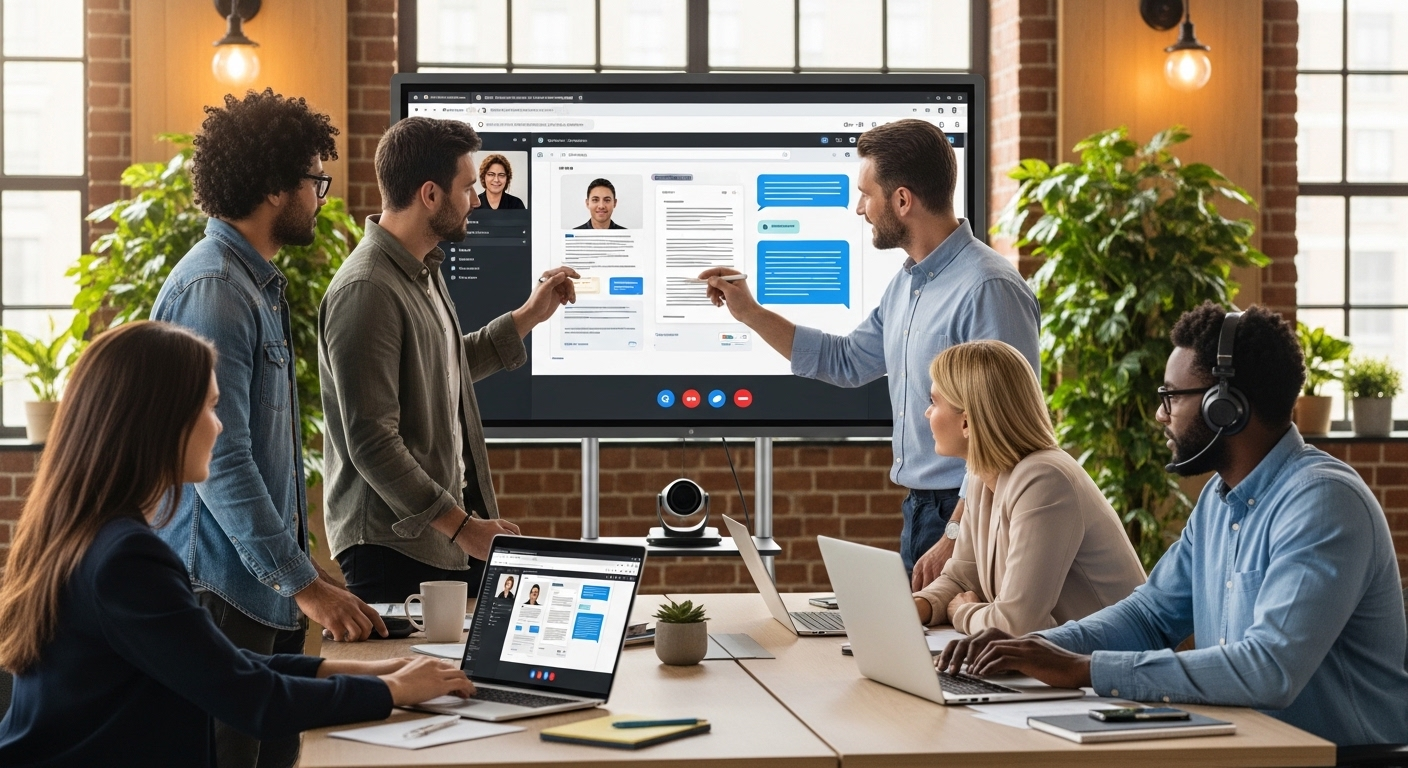
An optimal digital employee experience rarely announces itself. You notice it most when it is absent. In practice, it feels intuitive. Interfaces make sense without long explanations. Navigation is predictable. Employees complete daily tasks without pausing to decode instructions or hunt through scattered menus.
Seamless collaboration plays a central role. Communication platforms connect smoothly with document sharing, project management, and internal messaging tools. Conversations transition into action without switching between disconnected systems. The digital workplace becomes a coherent environment rather than a patchwork of apps.
Minimal training is required because design anticipates user behavior. Comprehensive training still matters, especially during onboarding, but tools should not demand constant retraining. The best digital employee experience reduces cognitive load rather than adding to it.
Stable devices complete the picture. Outdated hardware undermines even well-designed software. Reliable laptops, responsive systems, and consistent connectivity protect momentum.
A positive digital experience also contributes to a cohesive work environment. When systems align, employees feel supported rather than obstructed. The optimal digital employee experience is not flashy. It is dependable. It allows you to focus on meaningful work rather than navigating procedural obstacles.
Final Thoughts
By now, the pattern is clear. Digital employee experience is not a side initiative. It is a structural element of how work gets done. When digital tools function reliably and processes are intuitive, employees move with clarity. When friction dominates, performance stalls.
Building a future-ready digital employee experience strategy requires more than tool upgrades. It demands a strategic approach that aligns IT, human resources, and leadership around shared outcomes. Measure consistently. Listen to employee feedback. Identify pain points early. Treat DEX as an evolving system rather than a one-time project.
Continuous improvement becomes essential. Technology changes. Employee expectations change. Business priorities change. A positive DEX depends on regular evaluation and adaptation.
The reward is tangible. Strong digital experiences empower employees to do their best work. They contribute to an efficient workplace, higher engagement, and stronger business outcomes over time. Organizations that invest thoughtfully in DEX position themselves for sustained advantage.
The next step is practical. Assess your current systems. Identify friction points. Begin refining deliberately. A future-ready workplace does not build itself.
Frequently Asked Questions (FAQs)
1. What is digital employee experience?
Digital employee experience refers to how employees interact with workplace technology throughout their daily tasks. It includes digital tools, internal systems, devices, and platforms that shape how efficiently and comfortably work gets completed.
2. How do you measure digital employee experience?
You measure digital employee experience through continuous feedback, user satisfaction surveys, support ticket trends, password reset frequency, and time spent searching for information. Combining perception data with performance metrics provides a clear view of digital friction.
3. Why is digital employee experience important?
Digital employee experience is important because it directly affects productivity, engagement, and job satisfaction. When workplace technology is reliable and intuitive, employees perform better, morale improves, and overall business outcomes strengthen.
4. What tools improve digital employee experience?
Tools that improve DEX include unified digital workspaces, single sign-on systems, collaboration platforms, AI-powered self service portals, and integrated HR systems. These solutions reduce friction, streamline operations, and provide seamless access across digital platforms.
5. How does DEX affect employee retention?
Poor workplace technology drives frustration and disengagement, increasing turnover risk. A strong digital employee experience demonstrates organizational investment in employees’ success, supporting retention, improving morale, and creating a more stable, productive workforce.
6. What is the difference between employee experience and digital employee experience?
Employee experience covers the full journey, including culture, leadership, and physical workspace. Digital employee experience focuses specifically on interactions with technology, digital tools, and systems that enable daily work performance.
