
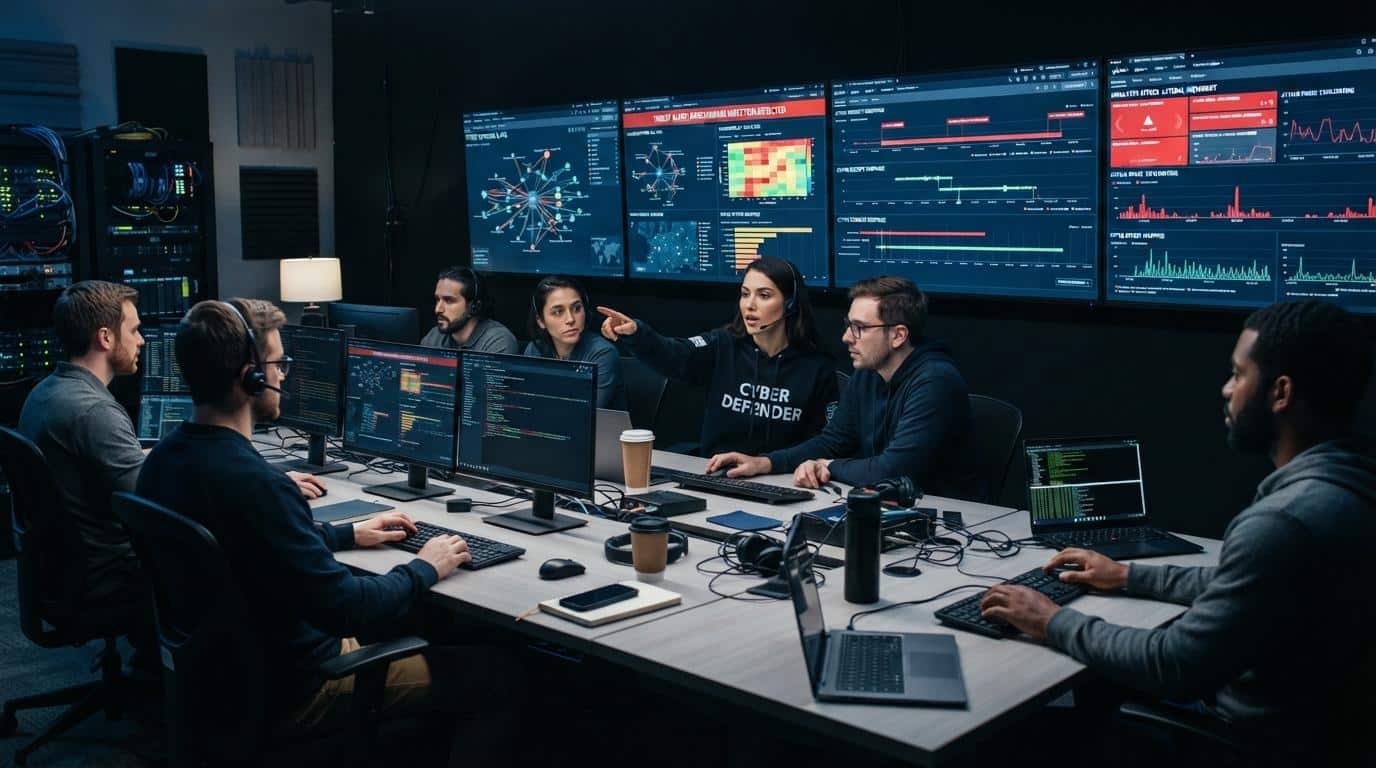
Which Is Better for Universities: SimSpace or Apporto?
Apporto Cybersecurity Labs is the better choice for universities and training programs seeking flexible, scalable cybersecurity labs. Its browser-based virtual environments support customizable hands-on exercises, reduce dependence on physical infrastructure, and simplify lab management. While SimSpace focuses on cyber range simulations, Apporto offers greater flexibility for practical cybersecurity education.
Cybersecurity training has a practical problem: understanding a threat doesn’t necessarily mean you can stop it. Recognizing vulnerabilities, testing security tools, and responding to attacks require experience, not just classroom knowledge.
That’s where hands-on labs become valuable, giving learners a controlled space to develop technical skills without putting production systems at risk.
SimSpace and Apporto approach this challenge from different directions. SimSpace emphasizes cyber ranges and cyber readiness, while Apporto provides customizable, cloud-based virtual labs for education and practical training.
In this blog post, we’ll compare SimSpace vs Apporto cybersecurity labs across training capabilities, realism, accessibility, customization, scalability, and costs to help you determine which platform aligns with your learning objectives and organizational needs.
What Is the Difference Between SimSpace and Apporto Cybersecurity Labs?
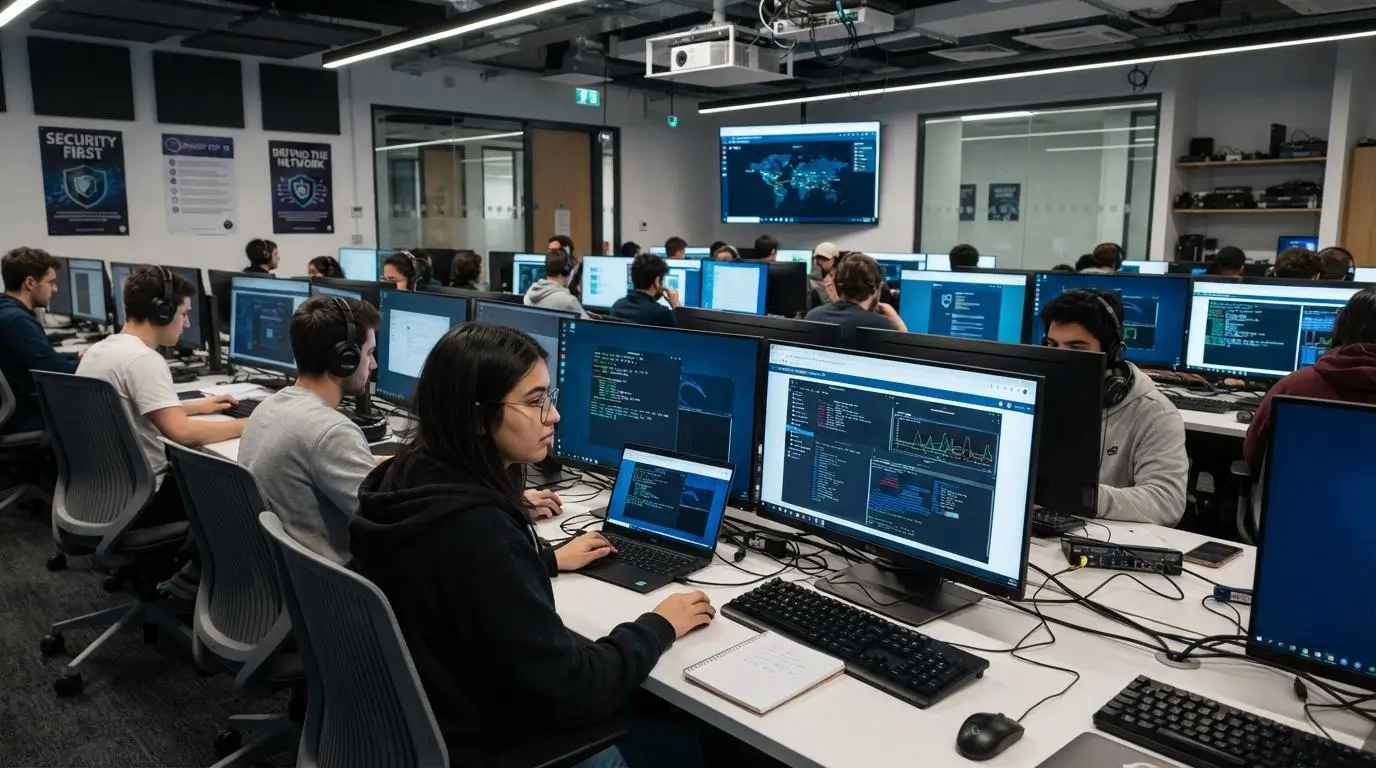
SimSpace and Apporto support hands-on cybersecurity training, but they approach it from different directions. SimSpace focuses on cyber readiness and practical cyber defense training, helping security professionals develop skills through cyber range exercises.
Apporto, on the other hand, provides cloud-based virtual lab infrastructure that allows educators to deliver practical cybersecurity and technical training without requiring students to use dedicated physical computer labs.
| Platform | Primary focus | Lab approach | Intended users |
|---|---|---|---|
| SimSpace | Cyber readiness and cybersecurity skills training | Cyber range and realistic cyber defense simulations | Security teams, organizations, cybersecurity professionals |
| Apporto | Cloud-based virtual lab infrastructure for education | Customizable virtual desktops and browser-accessible labs | Universities, educators, students, coding bootcamps |
The main distinction is the purpose behind each platform. SimSpace centers on preparing cybersecurity professionals to handle security challenges. Apporto provides the flexible lab environments educators need to teach technical skills through practical exercises.
How does SimSpace approach cybersecurity training?
SimSpace focuses on cyber readiness, cyber defense, and practical training for security teams. Its cyber range approach provides a controlled environment where cybersecurity professionals can participate in realistic exercises and develop technical skills.
These simulations allow teams to practice identifying threats, working through security challenges, and responding to cyber incidents without relying on production systems. The emphasis is on applying cybersecurity knowledge in practical situations, helping organizations prepare their security personnel for the demands of defending their environments.
How does Apporto deliver virtual cybersecurity labs?
Apporto delivers a cloud-based virtual cybersecurity lab environment designed primarily for education and technical training. Students access virtual desktops and lab environments directly through a web browser, reducing the need for dedicated devices, complex installations, or extensive local infrastructure.
Educators can customize environments to support different courses, software requirements, and hands-on exercises. This flexibility makes Apporto relevant to universities and coding bootcamps that need to provide practical cybersecurity training while simplifying lab deployment, access, and management.
How Do SimSpace and Apporto Deliver Hands-On Cybersecurity Training?
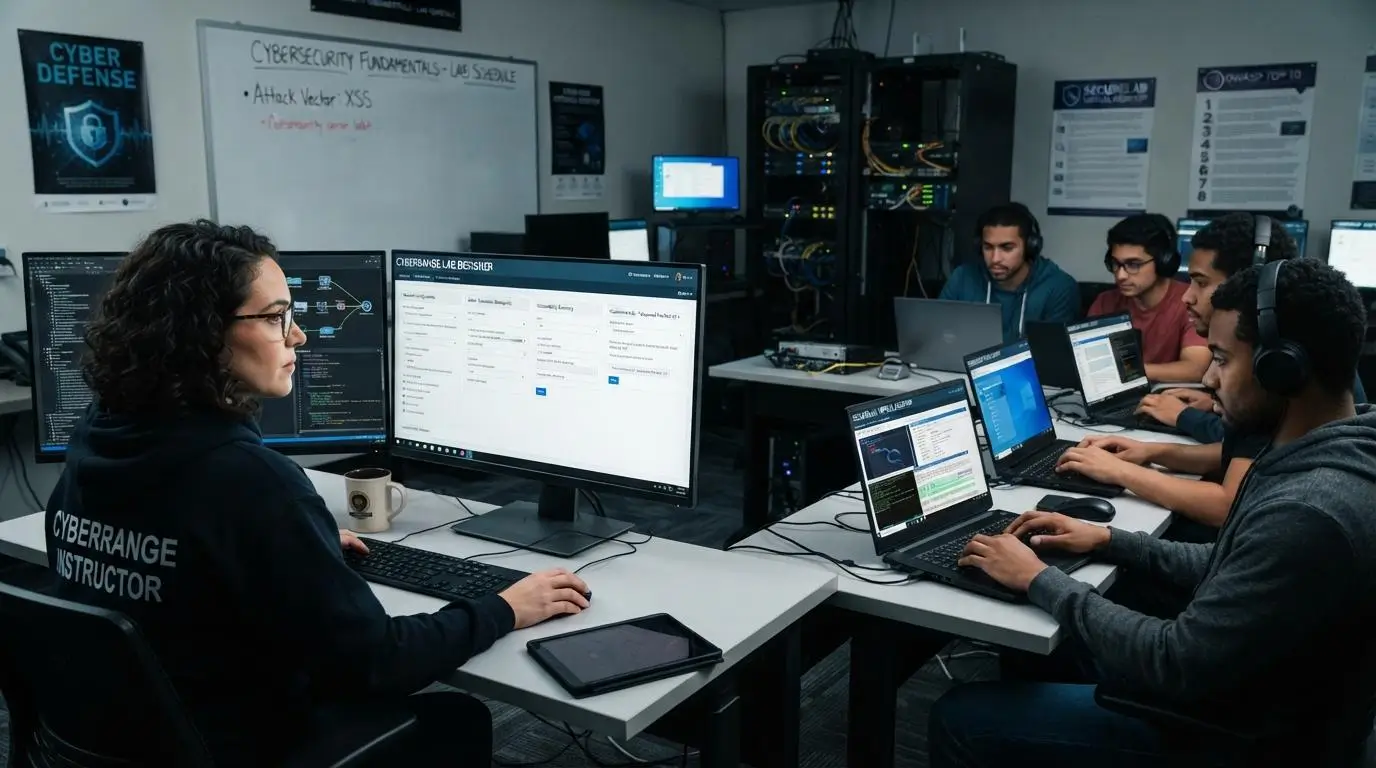
Hands-on cybersecurity training helps learners move beyond theory and apply technical skills in controlled environments. SimSpace and Apporto support this process through different lab models. For another comparison of structured cyber range training and customizable virtual labs, explore RangeForce vs Apporto Cybersecurity Labs
SimSpace emphasizes cyber range exercises that develop cyber readiness, while Apporto provides customizable virtual lab infrastructure for educators to design practical exercises around course requirements.
What kind of hands-on cyber range training does SimSpace provide?
SimSpace focuses on practical cyber defense through cyber range exercises and simulated cyber threats. These exercises give security teams opportunities to practice identifying threats, examining security challenges, and responding to potential cyber incidents in a controlled environment.
By applying their knowledge to realistic situations, cybersecurity professionals can strengthen technical skills and develop experience handling defensive tasks. The platform’s training model centers on cyber readiness, helping organizations prepare security teams to respond to cybersecurity challenges through practical exercises rather than relying solely on theoretical instruction.
What kind of hands-on labs can you build with Apporto?
Apporto allows educators to configure virtual machines, operating systems, applications, and cybersecurity tools to support hands-on learning. With nested virtualization, instructors can create custom network environments for practical exercises and technical coursework.
These environments can be adapted to different subjects, course requirements, and student skill levels. Browser-based access allows students to use virtual desktops without installing specialized software locally or relying on dedicated physical computer labs. This gives universities and coding bootcamps flexibility to deliver practical cybersecurity training while reducing infrastructure demands.
How do their hands-on training approaches compare?
| Training feature | SimSpace | Apporto |
|---|---|---|
| Training model | Cyber range exercises | Customizable virtual labs |
| Lab configuration | Cyber range environment | Instructor-configured environments |
| Practical focus | Cyber readiness and defense | Course-based technical skills |
| Learning objectives | Security team training | Instructor-defined |
The distinction comes down to how practical training is organized. SimSpace centers on cyber range training for security teams, with exercises focused on cyber defense and readiness.
Apporto gives educators flexibility to build virtual lab environments around curriculum requirements, allowing students to practice cybersecurity concepts, use technical tools, and develop hands-on skills across different courses.
How Realistic Are SimSpace and Apporto Cybersecurity Lab Environments?
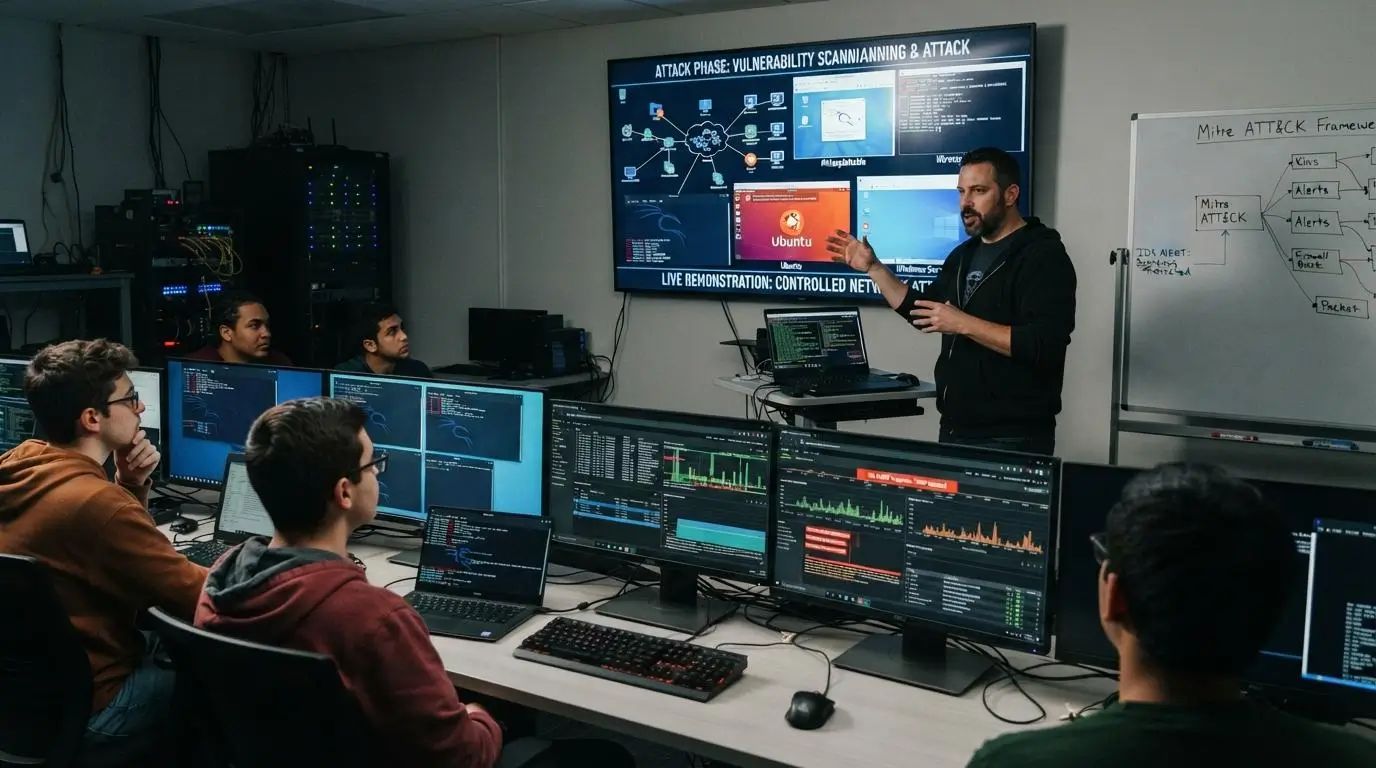
Realistic lab environments help learners develop cybersecurity skills without exposing production systems to unnecessary risk. By practicing with simulated threats, configurable operating systems, and controlled network environments, learners can apply theoretical knowledge, test security techniques, and prepare for real-world challenges.
How does SimSpace simulate real-world cyber threats?
SimSpace uses cyber range simulations to expose security teams to realistic cyber threats and practical defense scenarios. These exercises allow cybersecurity professionals to practice identifying vulnerabilities, examining suspicious activity, and responding to security challenges in a controlled setting.
Interactive training helps teams apply technical knowledge and develop cyber readiness through practical experience. Although simulations can reflect real-world situations, they operate in a training environment rather than an organization’s actual production infrastructure, allowing participants to practice defensive techniques without directly putting live systems at risk.
How does Apporto create realistic virtual lab environments?
Apporto allows educators to configure virtual desktops with different operating systems, applications, and cybersecurity tools. Nested virtualization supports the creation of custom network environments for practical exercises and technical coursework.
These controlled configurations give students opportunities to test tools, explore security techniques, and practice working with vulnerabilities. Depending on how instructors design and isolate their environments, virtual labs can reduce the risk of affecting live systems while supporting hands-on cybersecurity learning.
Why do realistic cybersecurity labs matter?
Realistic labs connect cybersecurity concepts with practical experience, helping learners develop skills in a controlled environment.
- Practical exposure: Apply theoretical knowledge through hands-on exercises.
- Risk reduction: Test techniques without targeting production systems.
- Technical skills: Build familiarity with cybersecurity tools and operating systems.
- Threat awareness: Explore vulnerabilities and understand attack patterns.
- Cyber readiness: Practice responding to security challenges before facing real incidents.
The value comes from giving learners a safe, structured space to practice, make mistakes, and improve their response to cybersecurity challenges.
Which Cybersecurity Skills Can You Develop with SimSpace and Apporto?
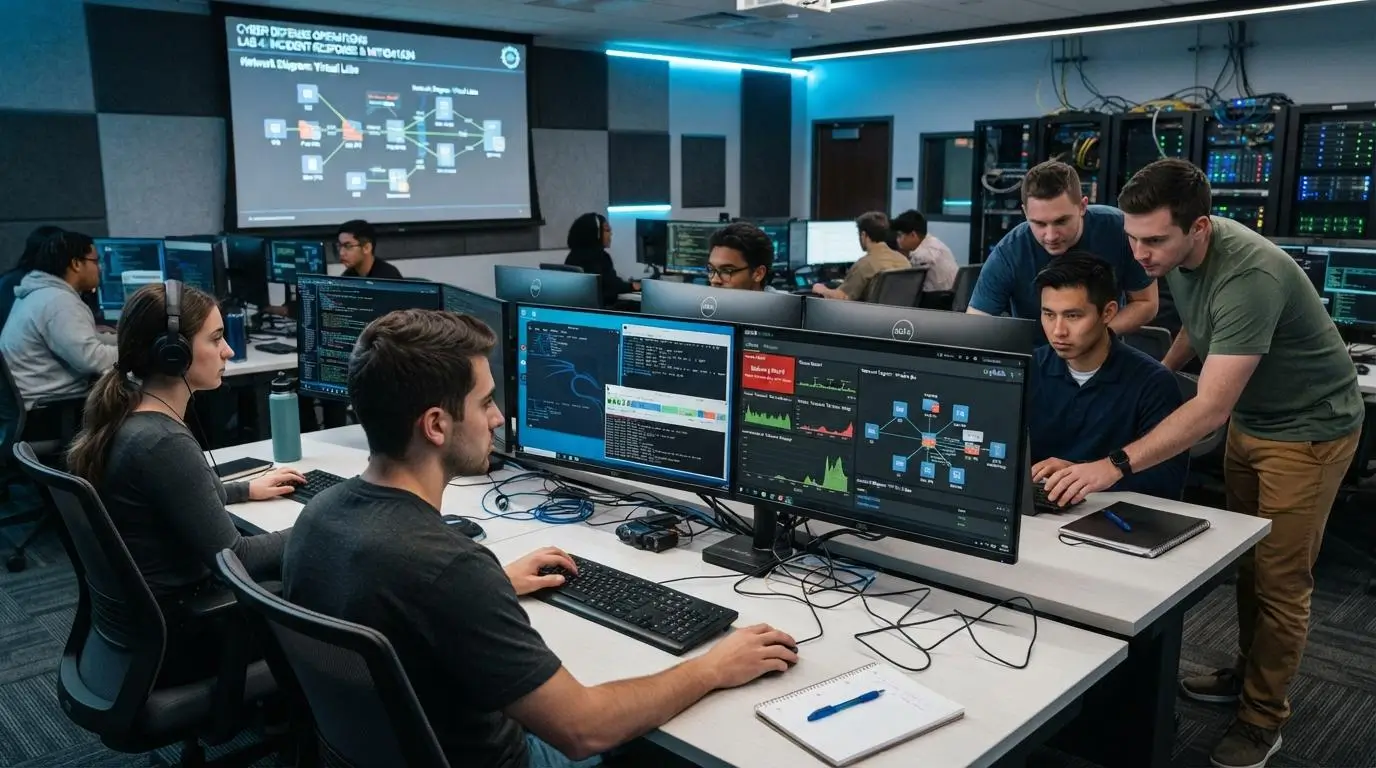
Cybersecurity skills develop through a combination of theoretical knowledge and practical experience. SimSpace focuses on cyber defense and security team readiness, while Apporto supports hands-on technical learning through customizable virtual labs.
The skills learners develop depend on the exercises, tools, and training objectives available in each environment.
What cybersecurity skills can you develop through SimSpace?
SimSpace supports practical cybersecurity training through cyber range exercises and security challenges. Its focus on cyber defense helps security professionals practice identifying threats, examining vulnerabilities, and responding to simulated incidents. Security teams can also develop coordination and communication skills by working through training scenarios together.
Depending on the available exercises, participants can practice advanced cybersecurity techniques and strengthen their readiness to handle complex security challenges. The emphasis is on applying technical knowledge and improving practical response skills in controlled training environments.
What technical skills can you develop through Apporto virtual labs?
Apporto provides virtual lab environments where educators can configure operating systems, applications, and cybersecurity tools to support different learning objectives. Depending on the course setup, students can practice network security, vulnerability testing, web application security, and penetration testing.
Instructors can also configure environments for malware analysis and incident-response exercises. This flexibility supports both foundational and advanced technical skills, allowing universities and coding bootcamps to tailor hands-on cybersecurity practice to their curricula and students’ experience levels.
How does hands-on practice help learners develop cybersecurity skills?
Consistent practical exercises help learners turn concepts into repeatable technical procedures.
- Knowledge: Connect cybersecurity theory with practical application.
- Muscle memory: Reinforce technical procedures through repeated exercises.
- Tools: Build familiarity with security software and operating systems.
- Progress: Identify knowledge gaps and areas needing more practice.
- Adaptability: Adjust exercises for beginners, students, and experienced professionals.
As a general training target, 10 to 15 hours of weekly practice can provide regular opportunities to build practical familiarity.
However, progress depends on prior experience, exercise quality, instruction, and consistency. No particular number of training hours guarantees cybersecurity proficiency.
How Do SimSpace and Apporto Support Cyber Readiness and Incident Response?
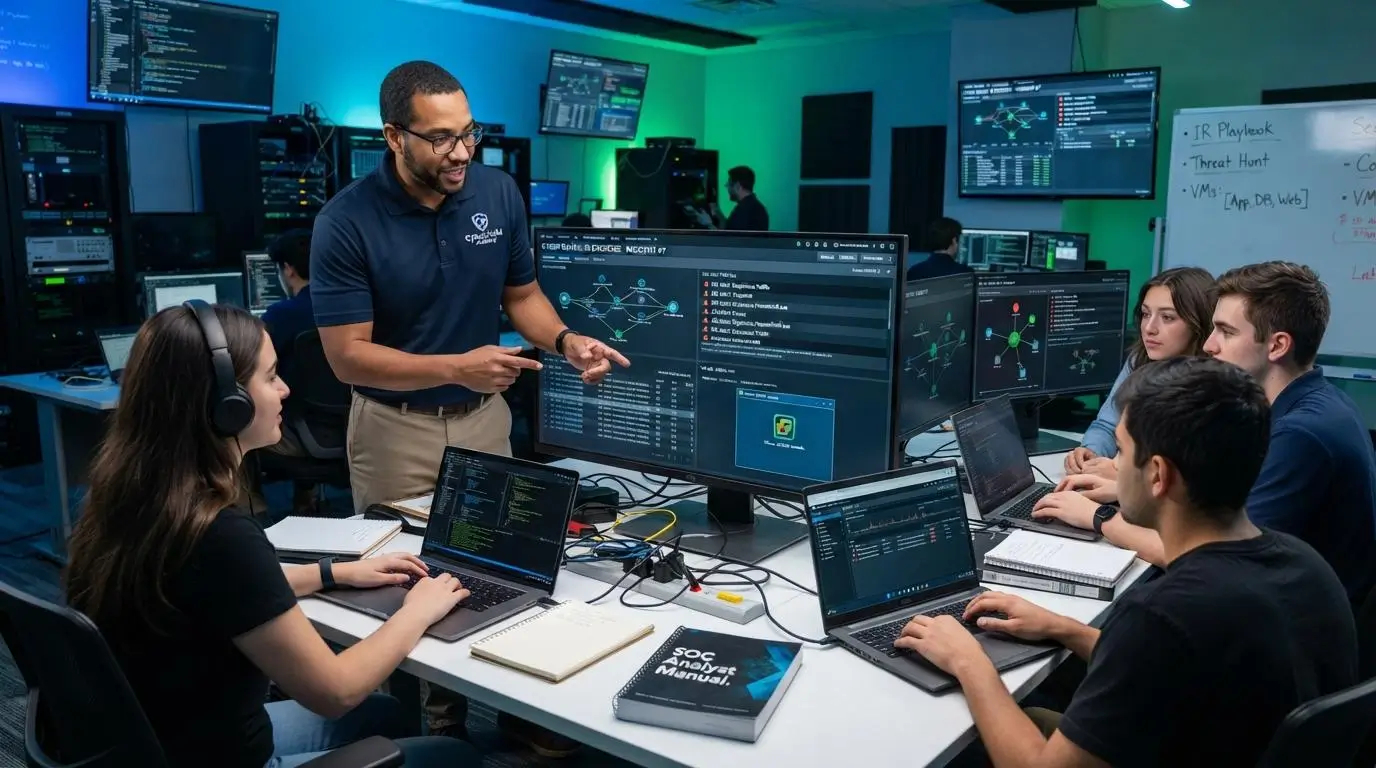
Cyber readiness requires more than understanding cybersecurity concepts. Security teams need opportunities to practice identifying threats, making decisions, and coordinating responses. SimSpace focuses on preparing security professionals through cyber range training, while Apporto enables educators to build collaborative virtual labs around incident-response and cyber defense coursework.
How does SimSpace help security teams prepare for cyber threats?
SimSpace emphasizes cyber readiness and practical cybersecurity skills training. Its cyber range exercises allow security teams to practice responding to simulated threats in controlled environments. Through these exercises, participants can develop threat identification, security team coordination, and practical decision-making skills.
Working through realistic cyber defense challenges gives organizations opportunities to prepare their personnel for potential incidents and strengthen their defensive processes. The training supports organizational cyber defense objectives by giving security professionals practical experience before they encounter comparable challenges in live environments.
Can Apporto support incident-response and cyber defense exercises?
Apporto can support incident-response training through instructor-configured virtual machines and network environments. Educators can design exercises involving log analysis, cybersecurity tools, and simulated security challenges, depending on the software and configurations available.
Its interactive features also support real-time student collaboration, allowing learners to work together during practical coursework. The specific incident-response capabilities depend on the instructor’s lab design, configured tools, and learning objectives, rather than a predefined cyber range training model.
SimSpace vs Apporto: Which platform supports collaborative cybersecurity training?
| Capability | SimSpace | Apporto |
|---|---|---|
| Cyber readiness | Cyber range training | Instructor-designed labs |
| Incident response | Scenario-dependent | Configurable exercises |
| Teamwork | Security team training | Real-time student collaboration |
| Assessment | Verify platform-specific capabilities | Depends on course and assessment design |
The key difference is the purpose of collaboration. SimSpace centers on cyber readiness, helping security teams practice coordinated responses to simulated threats.
Apporto supports collaborative virtual labs where instructors can organize exercises around educational objectives, encourage teamwork, and structure assessments according to course requirements.
How Accessible Are SimSpace and Apporto Cybersecurity Labs?
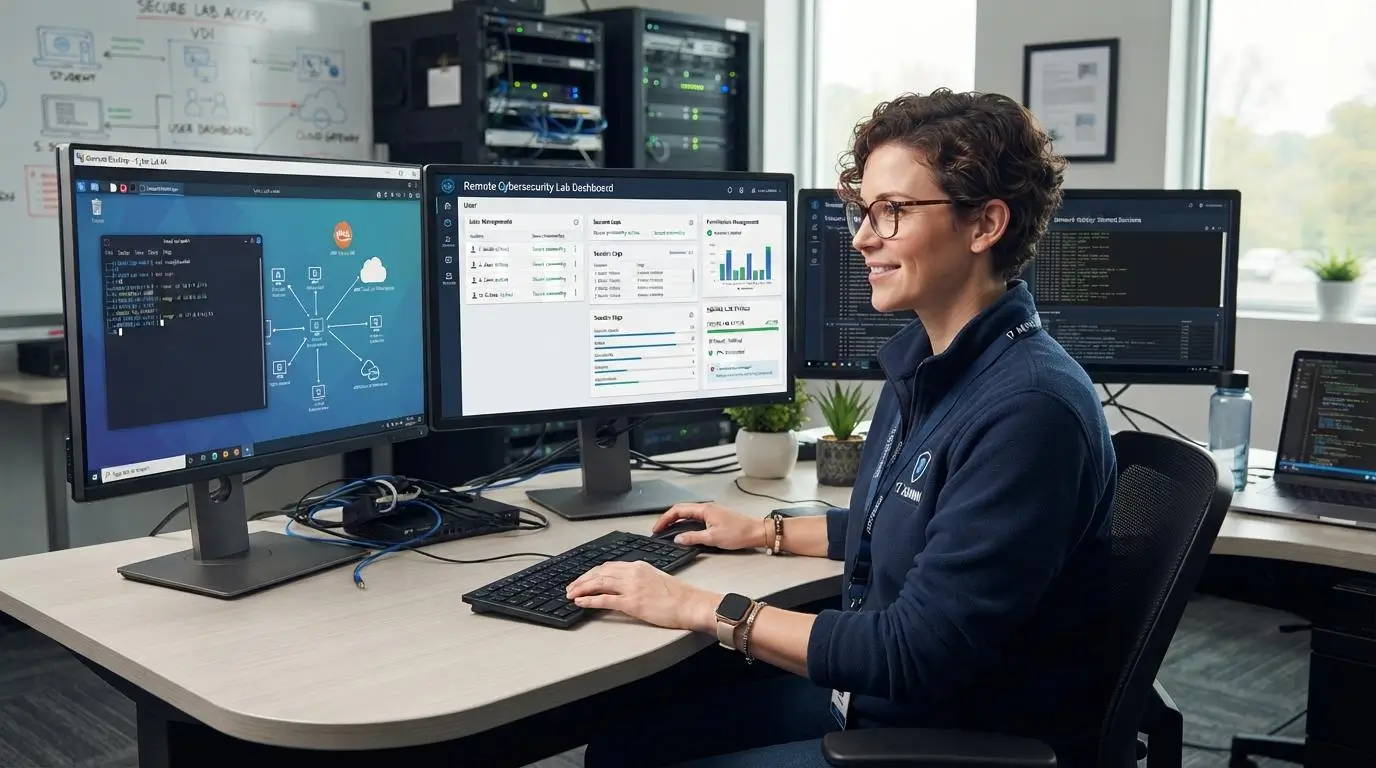
Accessibility affects how easily learners and organizations can deploy cybersecurity training. Browser access, hardware requirements, setup complexity, and remote connectivity all influence the learning experience. SimSpace provides dedicated cyber range training environments, while Apporto delivers browser-accessible virtual desktops and educational labs.
Can you access Apporto cybersecurity labs through a browser?
Apporto allows students and educators to access cloud-based virtual desktops and educational labs through a web browser. Subject to device compatibility and internet connectivity, learners can access their environments from multiple devices without relying on high-spec local hardware or dedicated physical computer labs.
Browser-based access also reduces the need for complex software installations on student devices. For universities, coding bootcamps, and remote learners, this approach makes it easier to provide consistent lab access across different locations while simplifying deployment and supporting flexible learning arrangements.
How does SimSpace handle cyber range access and setup?
SimSpace provides dedicated cyber range training environments designed for cybersecurity exercises. Access and setup depend on the platform’s deployment model, training configuration, and organizational requirements.
Before implementation, organizations should confirm infrastructure needs, user access arrangements, hardware requirements, and any technical prerequisites. These details can vary according to the training environment and how the platform is deployed.
What should you compare when evaluating lab accessibility?
Consider these factors when comparing cybersecurity lab platforms:
- Browser access: Check whether learners can participate through a web browser.
- Hardware: Consider local computing requirements and device compatibility.
- Setup: Compare cyber range provisioning with virtual lab deployment.
- Remote learning: Assess connectivity requirements and access across locations.
- Administration: Evaluate IT support, user management, and deployment responsibilities.
Ultimately, accessibility depends on the actual deployment, infrastructure, and connectivity requirements. Confirming these factors helps institutions and organizations understand the practical effort required to deliver reliable cybersecurity training.
How Much Customization Do SimSpace and Apporto Offer?
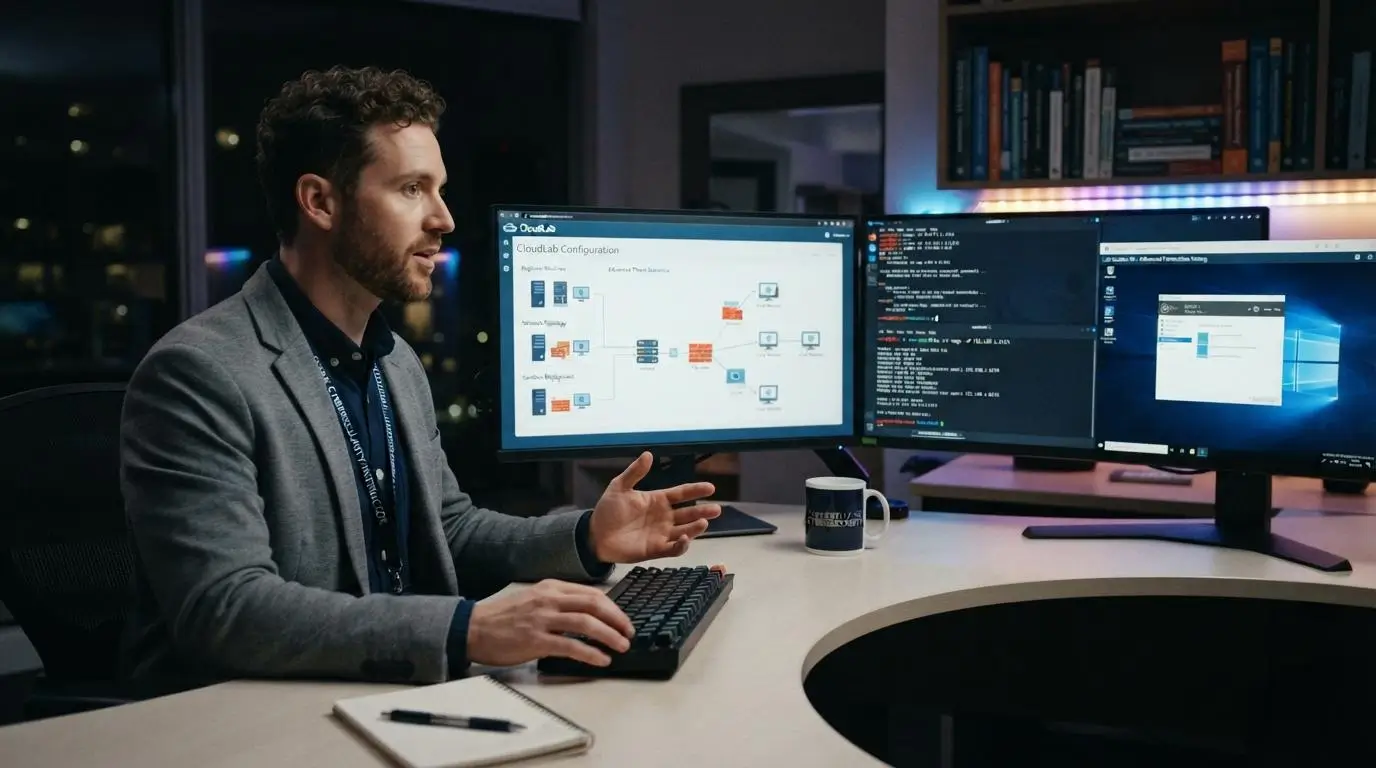
Customization determines how closely cybersecurity labs align with training objectives, course requirements, and learner skill levels. SimSpace focuses on cyber range exercises for cyber readiness, while Apporto provides configurable virtual lab infrastructure that educators can adapt to different cybersecurity courses and practical exercises.
Can educators customize Apporto cybersecurity labs?
Apporto allows instructors to configure virtual machines, operating systems, applications, and cybersecurity tools for hands-on training. Nested virtualization supports custom network creation, enabling educators to build environments around specific technical exercises. Instructors can adjust lab complexity for beginners, advanced students, and different course requirements.
They can also reuse and modify environments to support recurring classes or updated learning objectives. This flexibility makes Apporto relevant to universities and coding bootcamps that need control over their cybersecurity lab configurations and educational content.
How customizable are SimSpace cyber range environments?
SimSpace follows a cyber range and simulation-based training model, with exercises designed around cybersecurity challenges and cyber readiness. Training scenarios and their configurations shape the practical experience available to participants.
However, selecting or configuring a cyber range exercise is different from building a custom educational virtual lab from the ground up. Organizations should verify specific instructor customization options, including the ability to modify scenarios and training environments, before implementation.
SimSpace vs Apporto: Which platform offers more lab flexibility?
| Customization area | SimSpace | Apporto |
|---|---|---|
| Training scenarios | Cyber range-focused | Instructor designed |
| Instructor control | Depends on platform capabilities | Flexible lab configuration |
| Operating systems and tools | Confirm available options | Configurable |
| Learning objectives | Cyber readiness-focused | Course-defined |
| Custom networks | Verify supported configuration | Supported through nested virtualization |
Apporto supports course-level control over lab environments, tools, and learning objectives. SimSpace centers on cyber range training requirements and readiness exercises. The appropriate fit depends on whether your priority is building curriculum-specific virtual labs or delivering structured cyber range training.
How Do SimSpace and Apporto Scale for Universities and Organizations?

Scalability determines how effectively cybersecurity training platforms support growing student populations, security teams, and training programs. SimSpace focuses on cyber range training for organizations, while Apporto provides cloud-based virtual lab infrastructure that universities and coding bootcamps can use to deliver hands-on learning across courses and locations.
How does SimSpace support cybersecurity training for organizations?
SimSpace supports organizations through cyber range training designed for cybersecurity professionals and security teams. Its focus on cyber readiness makes it relevant to training programs that require practical cyber defense exercises and coordinated team participation.
Organizations evaluating the platform should consider the number of users, training capacity, and infrastructure requirements needed to support their programs. The actual scalability depends on the deployment model, available resources, and complexity of the training scenarios.
How does Apporto support scalable virtual labs for universities?
Apporto’s cloud-based virtual lab model allows universities to provide virtual desktops and educational environments to multiple users. Centralized management helps institutions organize virtual environments across courses, while configurable labs support different software and technical requirements.
Cloud-based access can reduce reliance on physical computer labs and dedicated student devices. For universities, educators, and coding bootcamps, this approach supports practical training across different classes and locations, subject to available computing resources and deployment configuration.
What factors determine cybersecurity lab scalability?
When evaluating scalability, consider these five factors:
- Users: Match platform capacity to student enrollment and security team size.
- Infrastructure: Assess computing, storage, and cloud resource requirements.
- Deployment: Compare cyber range provisioning with virtual lab deployment.
- Administration: Consider instructor workload, IT support, and user management.
- Demand: Evaluate peak usage and resource allocation during training sessions.
Scalability ultimately depends on infrastructure, deployment configuration, and training workload. Before implementation, estimate concurrent users and resource requirements to understand how well each platform can support your training program as participation grows.
What Is the True Cost of SimSpace vs Apporto Cybersecurity Labs?
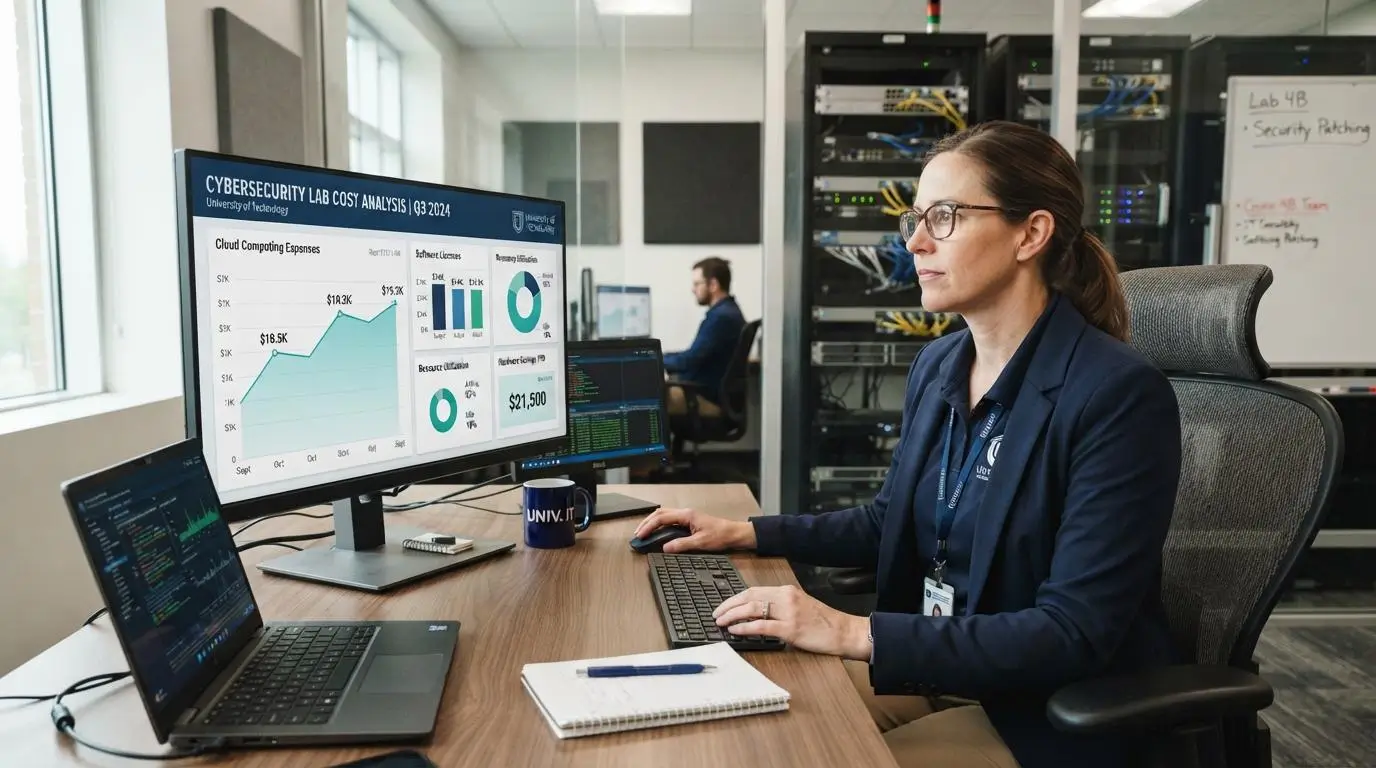
The true cost of cybersecurity training goes beyond platform pricing. Infrastructure, deployment, instructor time, and ongoing administration all contribute to the total investment.
SimSpace and Apporto serve different training needs, so comparing their costs requires looking at the resources each organization or institution needs to deliver practical cybersecurity education.
What affects the cost of SimSpace cybersecurity training?
SimSpace pricing depends on the cyber range infrastructure, training requirements, number of users, and deployment model. Organizations should account for subscription or licensing fees, training duration, technical support, and resources needed to operate cyber range exercises.
For example, a Forrester Total Economic Impact study modeled a specific SimSpace deployment with an annual subscription fee of $500,000, covering up to 300 virtual machines and 60 concurrent users, plus associated services. This is a study-specific scenario, not a standard price quote.
When can Apporto cloud-based labs reduce training costs?
Apporto cloud-based labs can reduce reliance on physical computer labs, recurring hardware refreshes, and local infrastructure. Centralized management and reusable virtual environments can also reduce IT administration and simplify course deployment.
Browser-based access lets students use existing devices, while autoscaling adjusts cloud resources according to demand, potentially improving resource utilization.
Apporto reports potential total cost of ownership savings of 50% to 70% compared with traditional computer labs, based on its own provider claims, not an independently verified universal outcome. Actual savings depend on implementation, usage, licensing, and existing infrastructure.
What should you include when calculating total cybersecurity training costs?
Consider these eight cost categories before comparing platforms:
- Platform fees: Subscriptions, licensing, and specialized training costs.
- Infrastructure: Hardware, hosting, and cloud computing resources.
- Users: Student enrollment, concurrent users, and security team size.
- Setup: Deployment, configuration, and administration.
- Software: Required cybersecurity tools and licenses.
- Support: Instructor time and technical assistance.
- Utilization: Peak demand, idle resources, and autoscaling.
- Long-term value: Reusable labs, course expansion, and certification requirements.
A meaningful comparison should account for the full cost of delivering training, not simply the platform subscription.
Which Platform Fits Universities, Students, and Cybersecurity Professionals?

SimSpace and Apporto serve different cybersecurity training needs. SimSpace focuses on cyber readiness and specialized cyber range exercises, while Apporto supports educational programs through customizable virtual labs. The right fit depends on your users, learning objectives, and infrastructure requirements.
| User group | Potential fit | Primary consideration |
|---|---|---|
| Security teams | SimSpace | Cyber readiness and cyber range training |
| Cybersecurity professionals | SimSpace | Specialized practical exercises |
| University students | Apporto | Browser-based, customizable labs |
| Educators | Apporto | Instructor control and course flexibility |
| Coding bootcamps | Apporto | Flexible virtual lab environments |
| Certification candidates | Depends on certification | Match labs to exam objectives |
| Enterprise training teams | Depends on objectives | Cyber range simulations or custom labs |
Why might universities and coding bootcamps choose Apporto?
Apporto offers browser-based access, customizable environments, and support for multiple users. Educators can adapt virtual labs to different courses and curricula while reducing dependence on physical computer labs. Interactive collaboration features also support practical learning and student engagement.
Why might security teams consider SimSpace?
SimSpace focuses on cyber readiness, specialized cyber range exercises, and practical cyber defense training. Its simulation-based approach supports team exercises designed for cybersecurity professionals and organizations preparing personnel to respond to security challenges.
Can both platforms support different learning styles?
SimSpace supports simulation-based cyber readiness training, while Apporto allows educators to configure labs for different learners, courses, and technical objectives. Platform selection should reflect learners’ prior knowledge, skill levels, and preferred learning experiences, alongside the practical requirements of the training program.
Which Cybersecurity Lab Platform Should You Choose?
Choose SimSpace if your priority is cyber readiness, specialized cyber range training, and practical exercises for cybersecurity professionals and security teams. Choose Apporto if you need browser-based virtual labs, customizable environments, instructor control, and flexible delivery for educational programs.
Your decision should reflect training objectives, learner skill levels, user numbers, infrastructure, tools, budget, and learning requirements. SimSpace centers on specialized cybersecurity training, while Apporto provides customizable virtual lab infrastructure for practical education. If you want to compare more providers before deciding, explore simspace alternatives for additional cybersecurity training and cyber range options.
Before selecting a platform, assess your requirements, compare deployment options, and confirm that the available capabilities align with your training goals.
Final Thoughts
SimSpace and Apporto take different approaches to cybersecurity training. SimSpace focuses on cyber readiness and specialized cyber range exercises for security teams, while Apporto provides customizable, browser-based virtual labs for educational programs.
Both approaches support hands-on practice, helping learners develop technical skills and prepare for cybersecurity challenges.
Before choosing a platform, assess your training objectives, accessibility requirements, customization needs, infrastructure, and total cost. Consider your learners’ skill levels and the tools required to deliver practical exercises effectively.
For universities, educators, and coding bootcamps seeking flexible virtual lab infrastructure, Apporto offers a way to deliver hands-on cybersecurity training without relying entirely on physical computer labs.
Explore Apporto’s customizable cybersecurity labs to see how browser-based virtual environments can support your courses, students, and hands-on training programs.
Frequently Asked Questions (FAQs)
1. What is the difference between SimSpace and Apporto cybersecurity labs?
SimSpace focuses on cyber range training, cyber readiness, and practical cyber defense exercises for security teams. Apporto provides customizable, cloud-based virtual lab infrastructure that educators can use to deliver hands-on cybersecurity training through browser-accessible virtual desktops.
2. Does Apporto provide cloud-based cybersecurity labs?
Yes. Apporto provides browser-based access to cloud virtual desktops and customizable educational lab environments. Universities, educators, and coding bootcamps can configure operating systems, applications, and cybersecurity tools to support practical coursework without relying entirely on physical computer labs.
3. Is SimSpace suitable for cybersecurity skills training?
Yes. SimSpace focuses on cyber readiness and cyber range exercises that help cybersecurity professionals practice threat identification, cyber defense, and practical response skills. Its training approach supports security teams preparing for cybersecurity challenges in controlled environments.
4. Can Apporto support penetration testing and network security exercises?
Yes. Apporto can support penetration testing and network security exercises through configured virtual machines, custom networks, and appropriate cybersecurity tools. The specific exercises depend on instructor configurations, available software, and course objectives.
5. Are cloud-based cybersecurity labs more cost-effective than physical computer labs?
Cloud-based labs can reduce dependence on physical hardware, simplify centralized management, and improve resource utilization. However, actual savings depend on cloud resource demand, licensing, deployment, administration, and existing infrastructure costs.
