
What Are the Best SimSpace Alternatives?
Apporto Cybersecurity Labs is one of the best SimSpace alternatives for organizations seeking hands-on cybersecurity training through flexible, cloud-based virtual labs. Other alternatives include Cyberbit, Immersive Labs, RangeForce, HyperQube, Picus Security, and Cymulate, which offer capabilities ranging from realistic cyber range simulations to workforce development and security validation.
Cybersecurity teams need more than theoretical knowledge to prepare for real attacks. They need environments where they can test technical skills, practice incident response, and understand how security controls perform under pressure. SimSpace addresses these needs through high-fidelity cyber ranges and automated attack emulation.
However, government agencies, financial institutions, and enterprises face different challenges. Some prioritize realistic cyber range exercises, while others focus on workforce development, team resilience, or automated security testing.
In this blog post, we’ll explore eight SimSpace alternatives, starting with Apporto Cybersecurity Labs, and compare their training capabilities, scalability, integrations, deployment options, and pricing to help you identify a solution that fits your organization’s cybersecurity requirements.
How Did We Evaluate the Best SimSpace Alternatives?
Choosing between SimSpace alternatives requires looking beyond product descriptions. Each platform serves different cybersecurity needs, from hands-on training and realistic cyber range exercises to automated security testing.
To make the comparison useful, we examined the capabilities, deployment options, and organizational requirements that distinguish these solutions.
Which Cybersecurity Training and Testing Capabilities Did We Compare?
We considered each provider’s core capabilities and how they address practical cybersecurity challenges, including:
- Cyber range realism: The ability to replicate real-world threats and incident response scenarios.
- Hands-on training: Technical skills development and situational awareness.
- Threat intelligence: Exercises that help teams understand and respond to emerging threats.
- Security validation: Automated attack emulation, breach and attack simulation, and security control testing.
- Team development: Individual skill building and collaborative cyber resilience exercises.
We also distinguished platforms focused on workforce training from those designed primarily to validate security controls.
How Did We Assess Platform Integration, Scalability, and Deployment?
We compared integration capabilities, deployment flexibility, and support for different organizational sizes. Our assessment considered enterprise, government, and financial sector requirements, including user capacity, training program needs, and compatibility with existing security systems and workflows. These factors help clarify how each solution may fit into an organization’s operations.
How Did We Compare Security, Usability, and Overall Value?
We examined secure training environments, administrative complexity, reporting capabilities, usability, deployment requirements, and pricing considerations.
We also considered each provider’s intended use cases, distinguishing immersive cyber ranges from practical skills development and automated security testing. This approach provides context for comparing capabilities without treating every platform as a direct replacement for SimSpace.
Which SimSpace Alternatives Compare Best at a Glance?
The eight SimSpace alternatives differ in their primary focus, training methods, and intended users. This quick comparison highlights what each platform offers and where it may fit within your cybersecurity program.
| Platform | Primary Focus | Training or Testing Approach | Best Fit |
|---|---|---|---|
| Apporto Cybersecurity Labs | Cloud-based virtual cybersecurity labs | Hands-on virtual environments | Organizations seeking flexible practical training |
| Cyberbit | Enterprise cyber ranges | Hyper-realistic cyber range simulations | Enterprise SOC and incident response training |
| Immersive Labs | Cyber resilience and skills | Team-based labs and skill development | Organizations building workforce capabilities |
| RangeForce | Cybersecurity skills training | Interactive cyber drills | Teams developing technical and response skills |
| Picus Security | Security control validation | Breach and attack simulation | Organizations measuring security control effectiveness |
| HyperQube | Cyber range environments | Configurable cyber exercises | Organizations seeking flexible simulation environments |
| Cymulate | Security posture assessment | Automated breach and attack simulation | Teams testing security controls and exposure |
| Cyber Warrior Network | Cybersecurity training | Practical cyber training | Organizations developing cybersecurity talent |
These platforms address different needs. Cyber ranges, skills development platforms, and security validation tools serve distinct purposes, so the right comparison depends on your organization’s training and testing objectives.
Best SimSpace Alternatives (A Detailed Overview)
1.Apporto Cybersecurity Labs (A Good Alternative to SimSpace for Hands-On Cybersecurity Training)
Overview
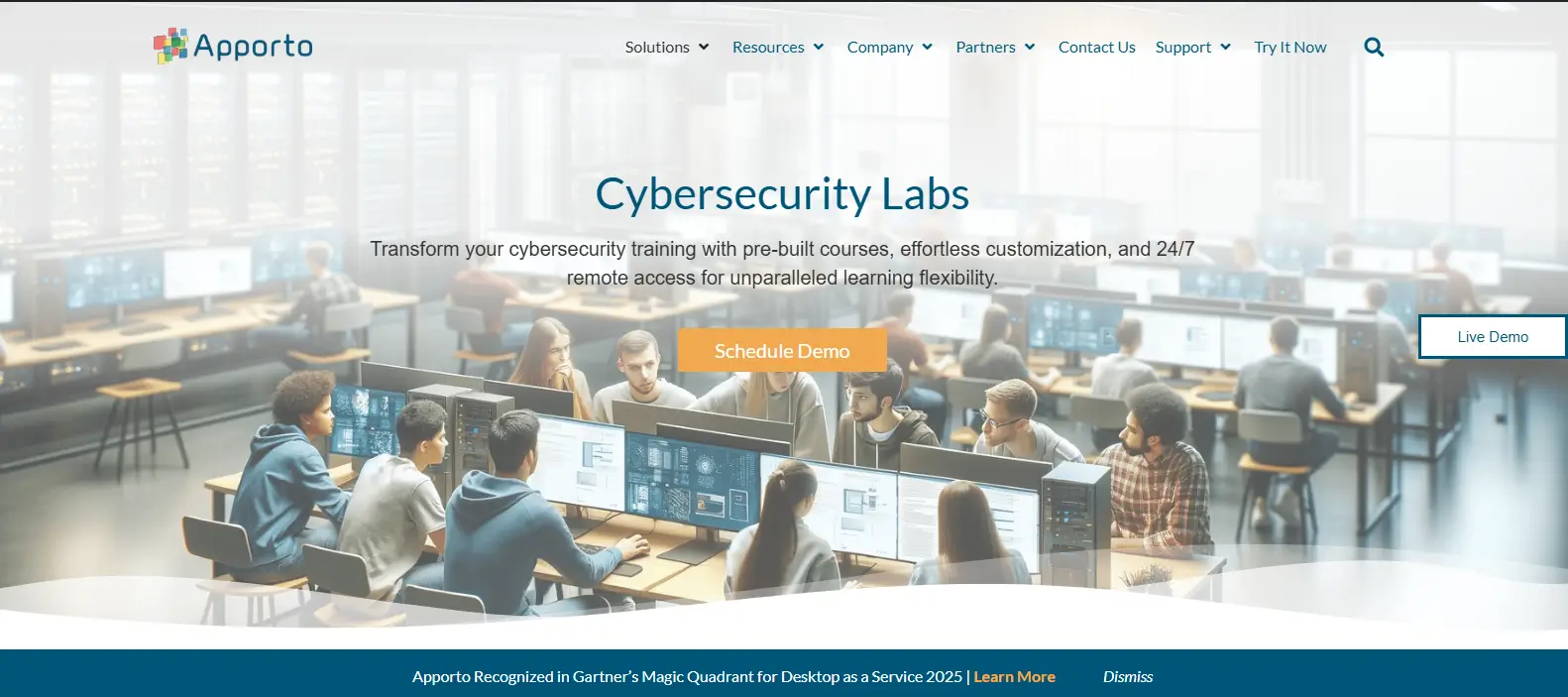
Apporto Cybersecurity Labs delivers practical cybersecurity education through a cloud-based virtual cybersecurity lab environment. Unlike SimSpace, which focuses on high-fidelity cyber ranges and attack emulation, Apporto emphasizes accessible environments for hands-on technical training.
Educational institutions, enterprises, and workforce development programs can use Apporto to provide cybersecurity exercises without depending entirely on dedicated physical labs. Remote access allows participants to complete practical exercises from different locations.
Organizations can adapt virtual lab environments to different training requirements, including technical skill development and incident response exercises. Flexible lab delivery also helps administrators accommodate different participant groups and training schedules.
Apporto can simplify deployment and administration for organizations delivering cybersecurity training at scale. However, teams requiring highly realistic, full-scale cyber range simulations should evaluate available scenario complexity against their specific requirements. For a direct comparison of cyber range realism, customization, and virtual lab delivery, explore Simspace Vs Apporto Cybersecurity Labs
Highlights
- Customizable virtual labs: Adapt environments to cybersecurity training requirements.
- Hands-on exercises: Provide practical opportunities to develop technical skills.
- Remote access: Enable participants to access training environments from different locations.
- Flexible workflows: Accommodate different learning and testing activities.
- Technical skill development: Support practical cybersecurity education.
- Scalable delivery: Accommodate training programs with varying participant numbers.
Best For:
Organizations seeking flexible, hands-on cybersecurity training through virtual lab environments.
Limitations:
Organizations requiring high-fidelity, full-scale cyber range simulations should assess available scenario complexity and exercise requirements.
Pricing:
Custom pricing depends on deployment, training requirements, and organizational needs. Contact Apporto for a tailored quote.
2. Cyberbit (Suitable for Enterprise Cyber Range Training)
Overview
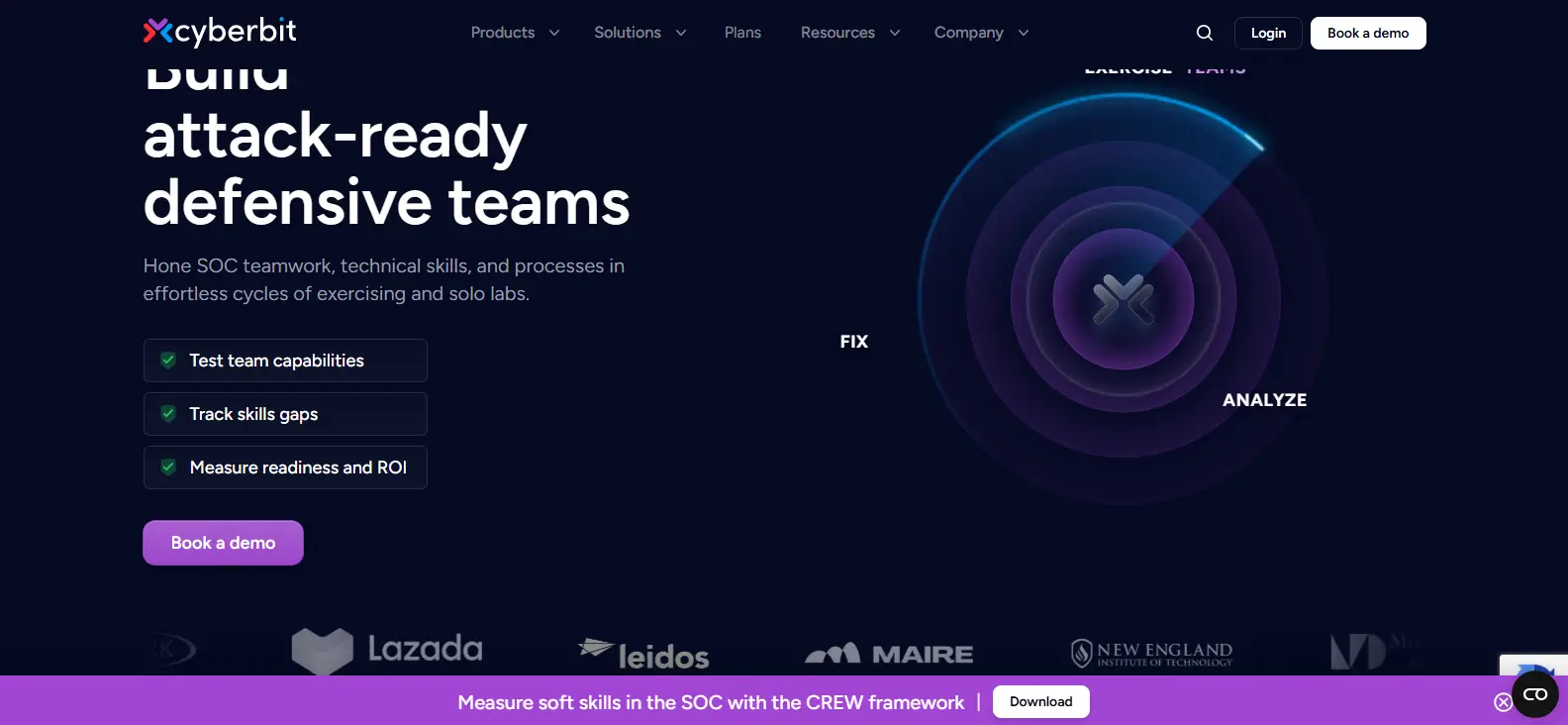
Cyberbit focuses on hyper-realistic cyber range simulations designed to prepare enterprise security teams for real-world threats. Like SimSpace, it provides immersive training environments, with particular emphasis on security operations center (SOC) training and incident response.
Enterprises and government organizations can use Cyberbit to conduct realistic attack scenarios, allowing security professionals to practice defensive workflows in simulated environments. These exercises help teams develop technical skills, strengthen incident response capabilities, and improve coordination during security incidents.
Cyberbit is particularly relevant for organizations seeking operational cybersecurity training. Its enterprise-focused approach supports security teams that need practical experience responding to threats, rather than relying solely on theoretical instruction.
SimSpace and Cyberbit both address cyber readiness through realistic simulations. Organizations comparing them should consider their training objectives, required scenario complexity, implementation resources, and the needs of their security operations teams.
Highlights
- Hyper-realistic cyber ranges: Provide simulated environments for realistic cybersecurity exercises.
- SOC training: Support practical training for security operations professionals.
- Incident response exercises: Help teams practice responding to simulated security incidents.
- Defensive security drills: Provide hands-on opportunities to develop threat detection and response skills.
- Enterprise environments: Address cybersecurity training requirements for larger organizations.
- Team-based exercises: Support coordination and collaboration during simulated attacks.
Best For:
Enterprises and government organizations seeking realistic cyber range training for security operations teams.
Limitations:
Evaluate implementation resources, training requirements, and the level of simulation needed before selecting a platform.
Pricing:
Pricing depends on deployment, training scope, and licensing requirements. Contact Cyberbit for a quote tailored to your organization’s needs.
3. Immersive Labs (A Suitable SimSpace Alternative for Cyber Resilience)
Overview
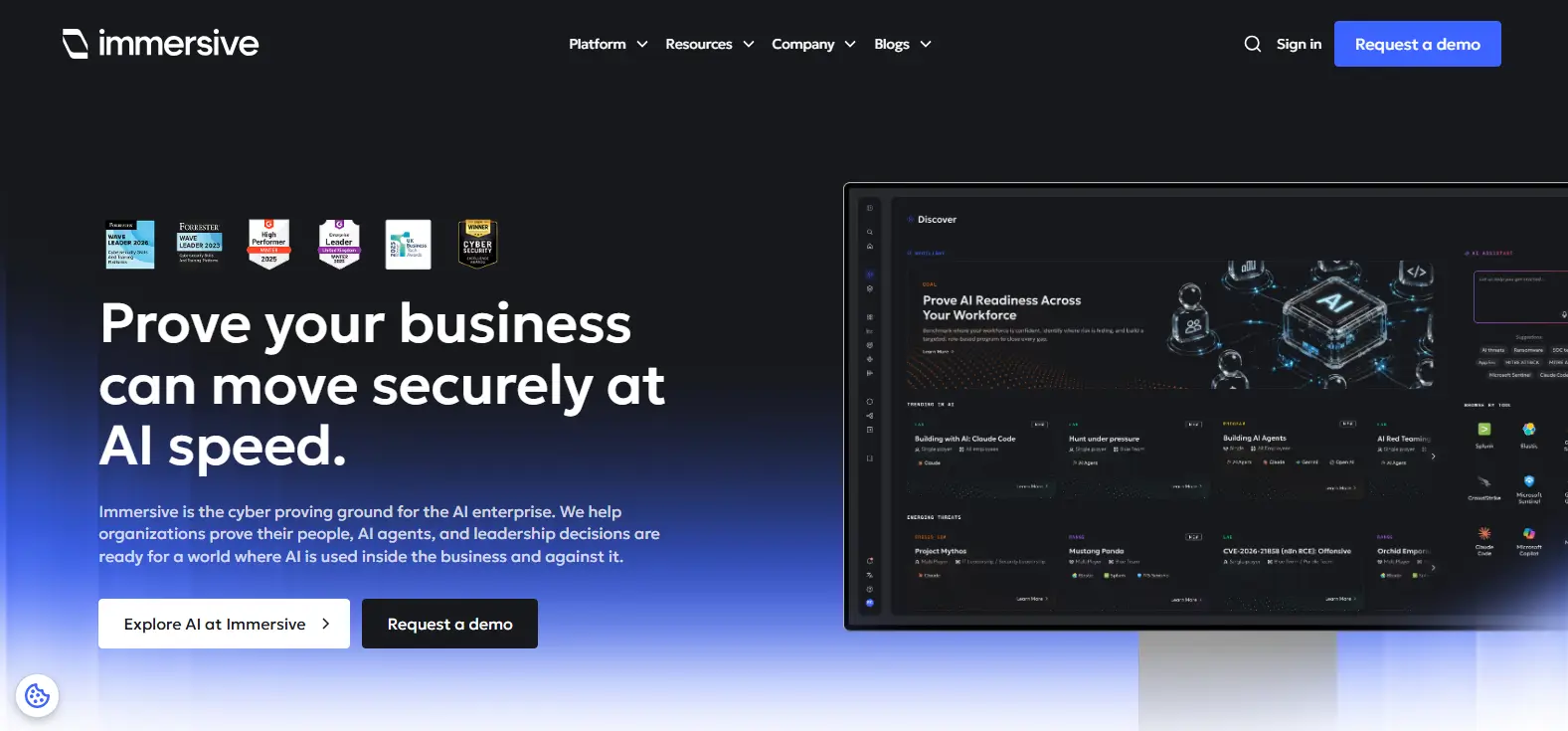
Immersive Labs focuses on cybersecurity workforce development, practical knowledge, and team-based cyber resilience. Unlike SimSpace’s emphasis on high-fidelity cyber ranges, Immersive Labs helps organizations build security capabilities through engaging, hands-on learning experiences.
Enterprises can use the platform to develop technical skills and improve workforce readiness across different experience levels. Its practical labs give cybersecurity professionals opportunities to apply their knowledge, while team-based exercises help strengthen collaboration and preparedness.
For organizations looking to improve cyber resilience, this approach connects individual skill development with broader team capabilities. Participants can build technical knowledge, practice cybersecurity tasks, and develop situational awareness through practical exercises.
Immersive Labs is relevant for enterprises seeking structured workforce training and ongoing capability development. SimSpace may be more aligned with requirements centered on complex, high-fidelity operational simulations, so organizations should compare the platforms based on their training objectives.
Highlights
- Interactive cybersecurity labs: Provide engaging opportunities to practice cybersecurity skills.
- Team-based resilience exercises: Help teams develop coordination and readiness.
- Technical skill development: Strengthen practical cybersecurity capabilities.
- Knowledge assessments: Help organizations evaluate cybersecurity knowledge.
- Workforce development: Support capability building across different skill levels.
Best For:
Organizations building cybersecurity skills and improving team readiness through practical exercises.
Limitations:
Compare its skills-focused approach with the high-fidelity cyber range environments required for complex operational simulations.
Pricing:
Custom pricing depends on team size, platform access, and organizational training requirements. Contact Immersive Labs for a tailored quote.
4. RangeForce (Replace SimSpace for Interactive Cybersecurity Training)
Overview
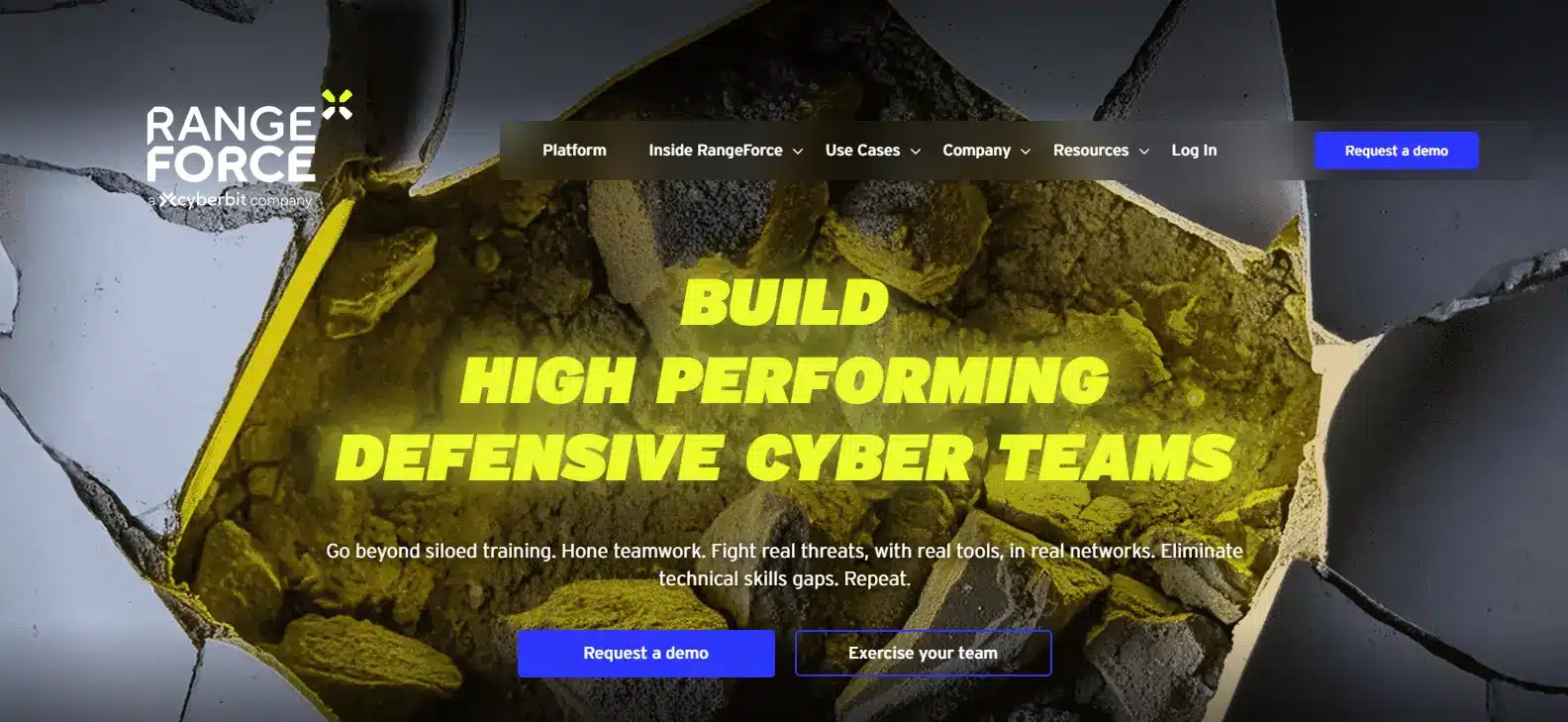
RangeForce focuses on interactive cybersecurity training and technical skill enhancement through practical cyber drills. While SimSpace emphasizes high-fidelity cyber range simulations, RangeForce provides security professionals with opportunities to practice defensive skills and strengthen incident response capabilities.
Organizations can use RangeForce to deliver hands-on exercises that help cybersecurity teams apply their knowledge in practical situations. Interactive training supports technical development, while incident response drills allow participants to practice responding to simulated security challenges.
For enterprises building cybersecurity workforce readiness, RangeForce offers a training-focused approach that can support individual learning and team development. Practical assessments and team exercises help organizations structure training around their security requirements.
When comparing RangeForce with SimSpace, consider whether your primary goal is ongoing technical skills development or complex, large-scale cyber range simulation. The appropriate fit depends on the scenarios, training depth, and operational requirements of your team. For additional platforms focused on hands-on cybersecurity skills development, explore RangeForce alternatives
Highlights
- Interactive cyber drills: Provide practical cybersecurity training activities.
- Hands-on exercises: Give security professionals opportunities to apply their knowledge.
- Technical skill development: Support the development of defensive cybersecurity capabilities.
- Team-based training: Help security teams practice and develop skills together.
- Incident response practice: Provide exercises for developing incident response skills.
Best For:
Security teams seeking interactive cyber drills and structured technical skills development.
Limitations:
Evaluate the platform’s simulation depth and whether its exercises meet your requirements for large-scale cyber range scenarios.
Pricing:
Pricing varies according to organizational requirements, user numbers, and training deployment. Contact RangeForce for pricing specific to your program.
5. Picus Security (A Good SimSpace Alternative for Security Control Validation)
Overview
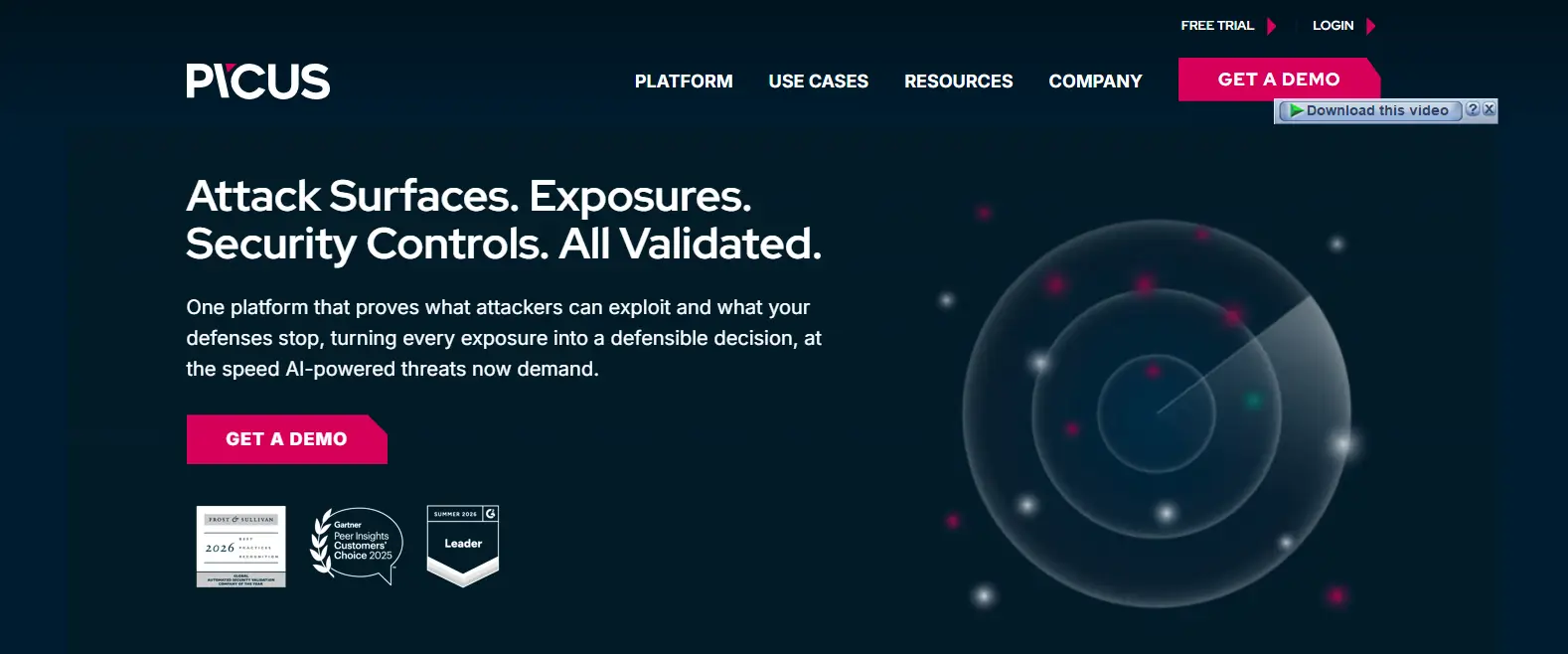
Picus Security focuses on measuring security control effectiveness through automated breach and attack simulation. Unlike SimSpace, which emphasizes cyber range training and realistic attack scenarios, Picus helps organizations assess how well their existing defensive controls perform.
Security teams can use Picus to simulate attack techniques and evaluate whether security controls detect, prevent, or respond to potential threats. These assessments help identify weaknesses in defensive systems and provide insight into gaps that may affect an organization’s security posture.
For enterprises managing complex security environments, security validation provides a way to evaluate existing defenses and understand where improvements may be needed. Rather than concentrating primarily on workforce skills development, Picus focuses on testing security controls and measuring their effectiveness.
Organizations comparing Picus with SimSpace should consider their primary objectives. Picus is relevant for teams seeking ongoing security validation, while SimSpace is designed around immersive cyber range exercises and operational training. The two approaches address different cybersecurity requirements and are not direct substitutes for every use case.
Highlights
- Automated breach and attack simulation: Simulate attack techniques to evaluate defensive capabilities.
- Control effectiveness measurement: Assess how security controls perform against simulated threats.
- Security posture assessment: Help organizations understand their defensive readiness.
- Control gap identification: Highlight weaknesses in detection and prevention capabilities.
- Testing workflows: Support repeatable security testing and validation activities.
Best For:
Organizations seeking to measure and improve the effectiveness of existing security controls.
Limitations:
Organizations primarily seeking immersive workforce training should distinguish security validation capabilities from cyber range and skills training.
Pricing:
Pricing depends on deployment scope, security validation requirements, and organizational needs. Contact Picus Security for a customized quote.
6. HyperQube (Best for Flexible Cyber Range Environments)
Overview
HyperQube focuses on configurable cyber range environments that support practical cybersecurity training and testing. For organizations comparing SimSpace alternatives, its emphasis on flexible simulation environments makes it relevant for different exercise and operational requirements.
Organizations can use cyber range environments to conduct cybersecurity exercises, practice incident response, and develop technical skills. HyperQube’s configurable approach supports training and testing scenarios that can be adapted to organizational objectives.
Enterprises with varying cybersecurity requirements may benefit from evaluating how simulation environments accommodate different exercises. Training teams can consider practical scenarios, while security professionals can assess environments for technical testing and other cybersecurity activities.
Compared with SimSpace, organizations should examine the level of realism, customization, and flexibility available for their intended use cases. The right fit depends on whether the priority is specific training exercises, technical testing, or complex operational simulations.
Highlights
- Configurable cyber ranges: Support environments tailored to cybersecurity exercise requirements.
- Flexible exercises: Accommodate different cybersecurity training activities.
- Practical scenarios: Provide environments for hands-on cybersecurity exercises.
- Technical testing: Support testing activities within cyber range environments.
- Adaptable workflows: Accommodate different simulation and training requirements.
Best For:
Organizations seeking flexible cyber range environments for cybersecurity training and exercises.
Limitations:
Assess available scenario realism, environment customization, and integration requirements before selecting a platform.
Pricing:
Pricing depends on deployment requirements, environment configuration, and organizational scale. Contact HyperQube for a quote based on your training and testing needs.
7. Cymulate (Replace SimSpace for Automated Security Testing)
Overview
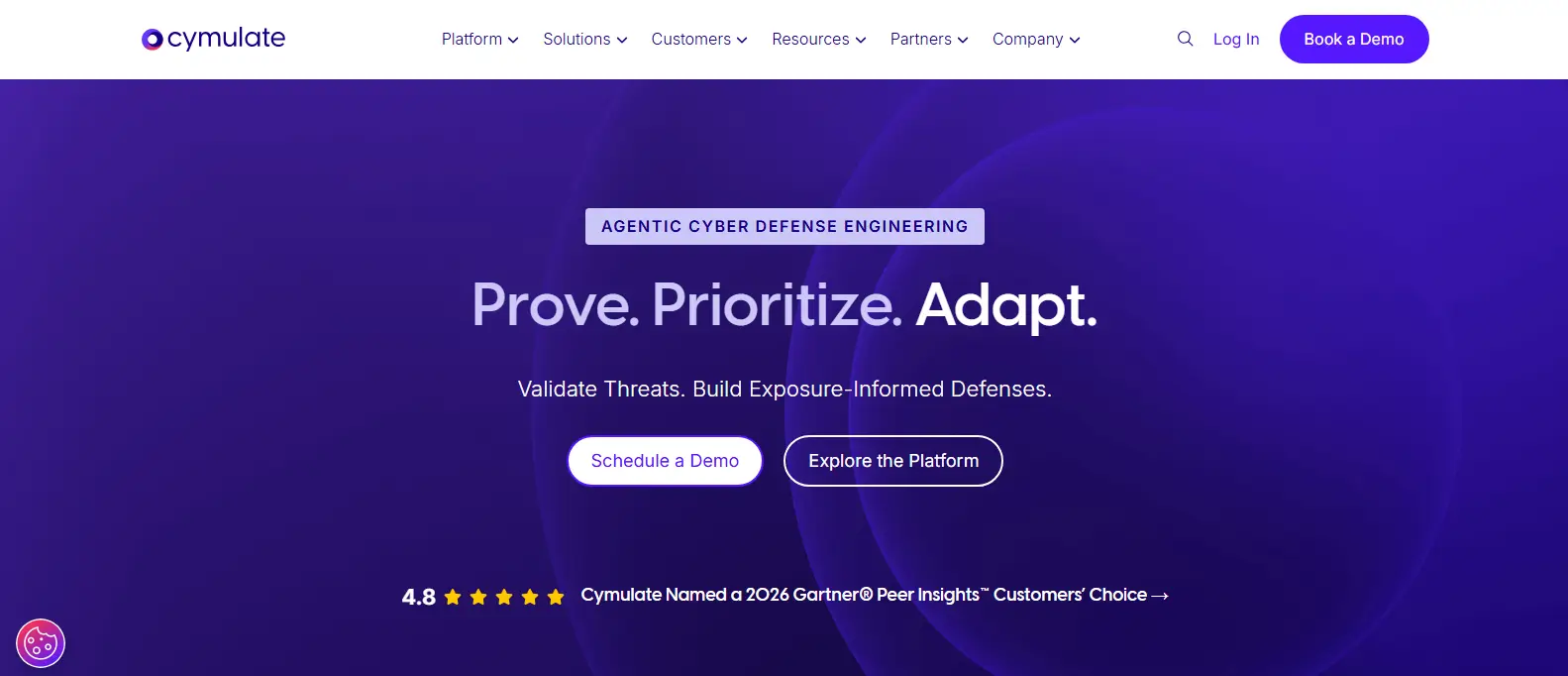
Cymulate focuses on automated breach and attack simulation, helping organizations evaluate security controls and assess their overall security posture. Unlike SimSpace, which emphasizes immersive cyber range training, Cymulate centers on testing defensive security measures and identifying potential weaknesses.
Security teams can use automated simulations to examine how their existing defenses perform against simulated attack techniques. These assessments help organizations understand gaps in detection and prevention, providing practical insights into the effectiveness of their security controls.
For enterprises managing complex security environments, ongoing security validation can support regular assessments of defensive capabilities. By identifying weaknesses and evaluating security measures, teams can better understand where their defenses may require improvement.
Cymulate is relevant for organizations seeking repeatable security testing and visibility into their security posture. However, its primary purpose differs from platforms designed to develop workforce skills through immersive cyber range exercises.
When comparing Cymulate with SimSpace, consider whether your organization needs automated security validation or hands-on training for security professionals. Both address cybersecurity readiness, but they approach it through different activities and objectives.
Highlights
- Automated attack simulations: Simulate attack techniques to evaluate security defenses.
- Security control testing: Assess the effectiveness of existing defensive measures.
- Security posture assessment: Help organizations understand their defensive readiness.
- Defensive validation: Evaluate how security measures perform against simulated threats.
- Exposure analysis: Identify potential weaknesses and areas requiring attention.
Best For:
Organizations seeking automated security validation and ongoing assessment of their security posture.
Limitations:
Cymulate’s security validation focus differs from platforms primarily designed for immersive cyber range training and workforce development.
Pricing:
Custom pricing depends on security testing scope, deployment requirements, and organizational needs. Contact Cymulate for a tailored quote.
8. Cyber Warrior Network (A Practical Alternative to SimSpace for Cybersecurity Training)
Overview
Cyber Warrior Network focuses on cybersecurity training and practical talent development. For organizations comparing SimSpace alternatives, it offers a training-oriented approach to building technical skills and supporting cybersecurity workforce readiness.
Organizations can use cybersecurity education and training programs to develop practical knowledge across different security roles. These programs can support professional development and help learners strengthen their understanding of cybersecurity concepts and responsibilities.
For enterprises with ongoing workforce training needs, practical learning opportunities can contribute to building cybersecurity capabilities. Training requirements may vary depending on participants’ experience, professional roles, and organizational objectives.
However, cybersecurity training programs and full cyber range simulation platforms serve different purposes. SimSpace emphasizes high-fidelity cyber ranges and realistic attack emulation, while training-focused solutions address broader learning and professional development needs.
Organizations evaluating Cyber Warrior Network should consider the availability of hands-on environments, the depth of practical exercises, and the level of enterprise training support. These factors help determine whether its offerings align with specific cybersecurity education and operational requirements.
Highlights
- Training resources: Support cybersecurity education and professional learning.
- Practical learning: Provide opportunities to develop cybersecurity knowledge.
- Technical skills: Support the development of practical cybersecurity capabilities.
- Workforce training: Address organizational cybersecurity learning requirements.
- Knowledge development: Help learners strengthen their understanding of cybersecurity concepts.
Best For:
Organizations seeking cybersecurity training and professional skill development.
Limitations:
Evaluate available hands-on environments, simulation depth, and enterprise training capabilities against your specific requirements.
Pricing:
Pricing depends on available training programs, access requirements, and organizational needs. Contact Cyber Warrior Network for details.
How Can You Choose the Right SimSpace Alternative for Your Organization?
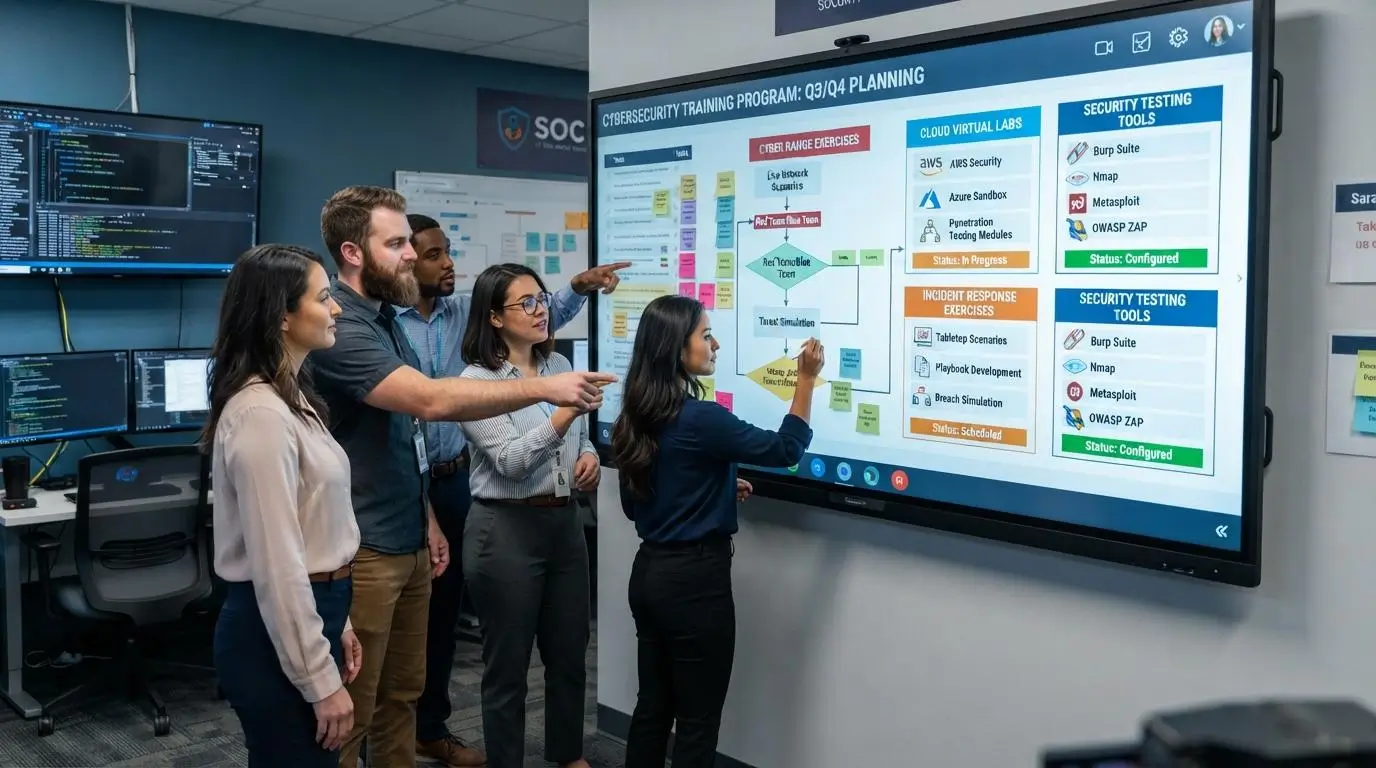
Choosing a SimSpace alternative starts with understanding your organization’s cybersecurity objectives. Some teams need practical training environments, while others prioritize realistic simulations, workforce development, or security control validation. Match the platform to your operational requirements rather than choosing based on features alone.
Which Platform Matches Your Cybersecurity Objectives?
- Practical virtual labs: Evaluate Apporto Cybersecurity Labs for hands-on training.
- Enterprise cyber ranges: Consider Cyberbit for high-fidelity simulations.
- Workforce resilience: Evaluate Immersive Labs and RangeForce for skills development and team readiness.
- Security control validation: Compare Picus Security and Cymulate for automated testing.
- Configurable cyber ranges: Assess HyperQube for flexible simulation environments.
- Cybersecurity talent development: Evaluate Cyber Warrior Network for professional training.
What Should You Confirm Before Making a Decision?
Before committing, validate feature availability, training realism, deployment requirements, integrations, security, reporting, support, and pricing. Request demonstrations or conduct proof-of-concept testing to confirm that the platform meets your organization’s specific requirements.
What Are the Most Common Mistakes When Choosing SimSpace Alternatives?
Avoid these common evaluation mistakes:
- Choosing features before defining training objectives.
- Confusing cyber range training with automated security validation.
- Overlooking integrations and deployment requirements.
- Ignoring scalability and administrative effort.
- Assuming every platform offers the same scenario realism.
- Failing to assess reporting, security, and total cost.
A platform’s capabilities matter only when they address your actual requirements. Define measurable objectives, evaluate the available environments, and compare solutions against your organization’s training, testing, and operational needs before making a decision.
Final Thoughts
Selecting the right SimSpace alternative depends on your organization’s cybersecurity objectives, workforce capabilities, testing requirements, and deployment needs. Practical virtual labs support hands-on learning, cyber ranges provide realistic environments for operational exercises, and security validation platforms help assess defensive controls.
Before committing, compare available features, scalability, integration requirements, and pricing against your team’s measurable goals.
If your organization prioritizes hands-on cybersecurity training, flexible virtual environments, and scalable lab delivery, explore Apporto Cybersecurity Labs to see how its virtual lab capabilities can support your training programs.
Evaluate your requirements, explore available options, and choose the solution that aligns with your cybersecurity priorities.
Frequently Asked Questions (FAQs)
1. What Are the Best SimSpace Alternatives?
Popular options include Apporto Cybersecurity Labs, Cyberbit, Immersive Labs, RangeForce, Picus Security, HyperQube, Cymulate, and Cyber Warrior Network. The right choice depends on whether your organization needs cyber range training, workforce development, practical labs, or security control validation.
2. What Is SimSpace Used For?
SimSpace provides high-fidelity cyber ranges and automated attack emulation for cybersecurity training and operational exercises. Organizations use realistic simulated environments to practice responding to cyber threats and develop technical and defensive capabilities.
3. Which SimSpace Alternative Is Best for Enterprise Cyber Range Training?
Cyberbit offers hyper-realistic enterprise cyber range simulations and training for security operations teams. Other options, including HyperQube, may suit organizations seeking configurable environments. Compare simulation realism, team exercises, deployment requirements, and training objectives before selecting a platform.
4. What Is the Difference Between a Cyber Range and a Cybersecurity Training Platform?
A cyber range replicates realistic environments for cybersecurity exercises, attack simulations, and incident response practice. A cybersecurity training platform generally emphasizes technical skill development, practical knowledge, and workforce readiness through structured learning and hands-on activities.
5. Which SimSpace Alternatives Support Security Control Validation?
Picus Security and Cymulate focus on security control validation through breach and attack simulation. They help organizations assess defensive effectiveness, identify potential weaknesses, and evaluate security posture rather than primarily delivering immersive workforce training.
6. Can Cybersecurity Labs Help Develop Incident Response Skills?
Yes. Hands-on cybersecurity labs provide practical environments where participants can practice incident response, investigate simulated threats, and develop defensive skills. Realistic exercises can also strengthen technical capabilities, decision-making, and team coordination.
7. Are SimSpace Alternatives Suitable for Government and Financial Institutions?
Several platforms address enterprise and government training requirements. Organizations should evaluate deployment options, security controls, compliance obligations, scalability, and specific training objectives to determine whether a solution meets their operational and regulatory requirements.
8. How Much Do SimSpace Alternatives Cost?
Pricing varies by provider, deployment model, user numbers, training scope, and licensing arrangements. Some platforms offer customized enterprise pricing. Contact providers directly for quotes based on your organization’s requirements and confirm implementation, support, and additional costs.
