

How Can Teachers Grade Group Projects Fairly?
Teachers can grade group projects fairly by combining group and individual scores, using clear grading rubrics, and assessing teamwork, participation, and individual contributions. Peer evaluations, progress reports, and instructor observations help ensure accountability, recognize individual effort, and prevent students from receiving unfair grades based solely on group performance.
The final group project looks great. The research is solid, the presentation is well-organized, and everything was submitted on time. But there’s a catch. A few students did most of the work, while others barely contributed. Should everyone still get the same grade?
That’s one of the biggest challenges with grading group projects. Group assignments help students build communication, teamwork, problem-solving, and responsibility. But a strong final submission doesn’t always reflect everyone’s effort.
As an instructor, you need a way to recognize both the group’s achievement and each student’s contribution. Clear grading criteria can help you do that fairly. In this blog, you’ll learn practical ways to make group project grading more transparent, consistent, and manageable.
What Is Group Project Grading, and How Does It Work?
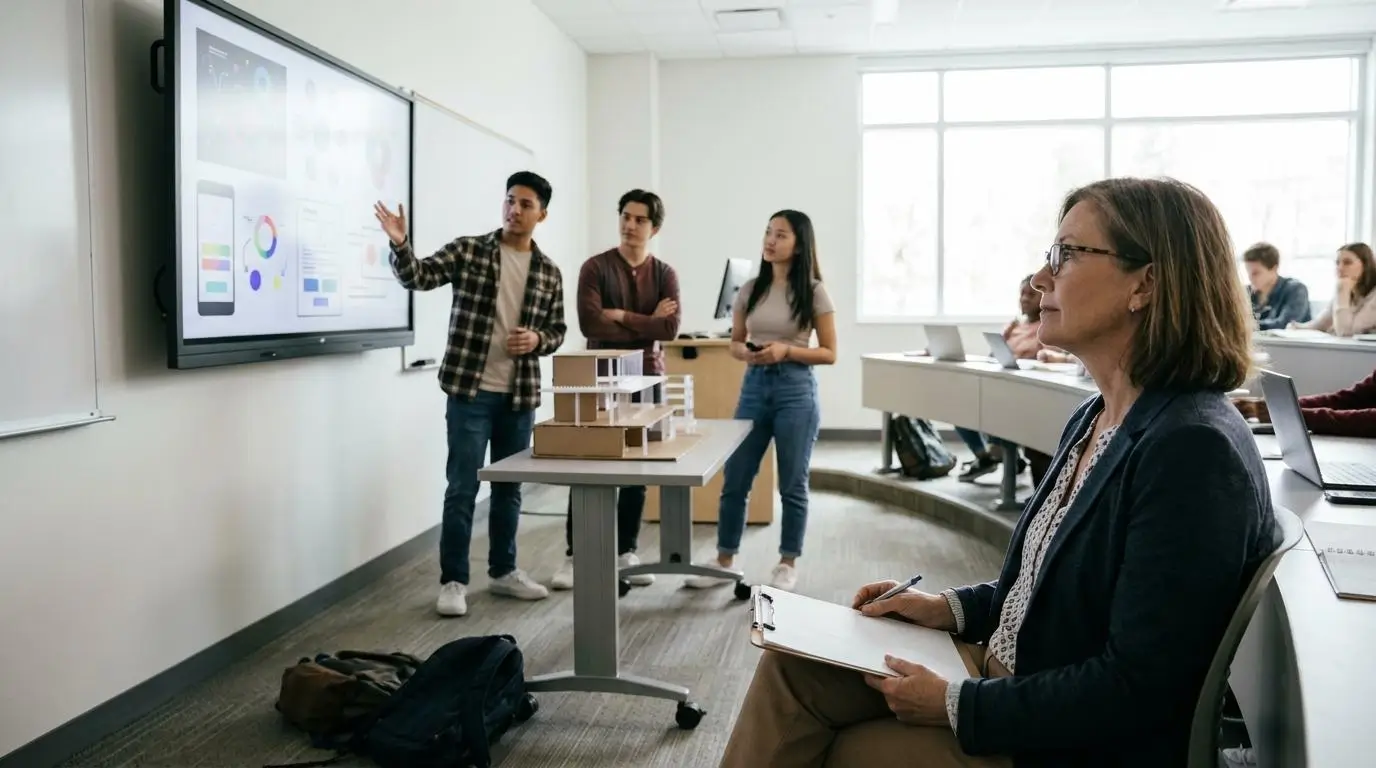
Grading group projects involves assessing work that students complete together. Depending on your grading method, you might look at the finished project, each student’s contribution, and how well the team worked together.
It’s a little different from grading individual assignments. When students submit one report or presentation as a group, you can’t always tell who handled the research, who developed the ideas, or who put everything together. That’s why a fair grading system needs to consider both the group’s results and the effort behind them.
What Should Teachers Assess in a Group Project?
There are three main areas to focus on when evaluating group work:
- Final Group Product: Is the submitted work accurate, complete, and developed to the expected standard?
- Individual Contributions: What did each student actually do, and how well did they handle their responsibilities?
- Group Process: Did members communicate, cooperate, solve problems, and meet deadlines effectively?
You don’t have to give all three equal weight. It depends on your learning objectives and the skills you want students to develop.
What Are the Different Methods for Grading Group Projects?

There’s more than one way to grade group work, and each method handles individual effort differently.
The four common options are shared group grades, individual grades, combined grades, and peer-adjusted grades. Which one works best depends on your assignment and how much individual accountability you want.
How Does Shared Group Grading Work?
Shared group grading is pretty simple. You assess the final project, then give everyone in the group the same mark. It encourages students to work toward a common goal and share responsibility for the result. The catch? Someone who did most of the work could end up with the same grade as a student who barely participated.
How Do Individual Grades Work in Group Assignments?
With individual grading, each student receives a score based on their own contribution. You might look at assigned tasks, personal reports, presentations, or how well students understand the project.
It’s a useful way to recognize individual effort, although assessing everyone separately means more grading work for you.
How Can Teachers Combine Group and Individual Grades?
A combined approach, also known as dual grading, considers both the finished project and each student’s contribution. You assign separate scores, then combine them using set percentages. For instance, the group project might count for 70% and individual performance for 30%.
This gives students a reason to support their team while still being accountable for their own work.
Which Group Project Grading Method Should You Choose?
Here’s a quick comparison:
| Grading Method | How It Works | Main Limitation |
|---|---|---|
| Shared Group Grade | Everyone receives the same project score | Individual effort may go unnoticed |
| Individual Grade | Each student earns a separate score | Takes more time to assess |
| Combined Grade | Group and individual marks are weighted | Requires clear scoring rules |
| Peer-Adjusted Grade | Peer ratings help adjust individual marks | Ratings need instructor review |
Group exams and bonus points are other options that can encourage students to work together, depending on your course goals. The best approach is one that recognizes the team’s achievement without losing sight of individual effort.
What Criteria Should You Include in a Group Project Grading Rubric?

A group project grading rubric helps you set clear expectations and assess student work without relying on guesswork.
It should cover two things: the quality of the finished project and how students contributed to getting it done. A polished submission is great, but it doesn’t always tell you much about the teamwork behind it.
How Should You Evaluate the Final Group Product?
Start with what the group actually submitted. Does the work meet the assignment’s requirements, and how well does it demonstrate what students have learned?
Here are four useful criteria:
- Content Quality: Is the information accurate, complete, and developed in enough detail?
- Research and Analysis: Has the group used credible evidence, explained its ideas, and demonstrated problem-solving?
- Organization: Does the project follow a logical structure that’s easy to understand?
- Learning Outcomes: Does the finished work demonstrate the knowledge and skills required by the assignment?
You can adapt these criteria for research papers, group reports, presentations, or other collaborative projects.
How Should You Assess Individual Contributions and Teamwork?
This part takes a little more attention. You need to look beyond the final submission and consider how each student participated.
A few criteria can help:
- Individual Participation: Did the student contribute meaningfully to tasks and discussions?
- Responsibility: Were assigned tasks completed properly and on time?
- Communication: Did they share updates, listen to teammates, and respond when needed?
- Collaboration: Did they support other members and contribute to shared goals?
- Problem-Solving: How did they handle challenges or disagreements within the group?
Try to keep your descriptions specific. “Good teamwork” doesn’t tell students much. Observable actions, like meeting deadlines or helping resolve problems, give you something clearer to assess.
What Does a Group Project Grading Rubric Example Look Like?

A group project grading rubric gives you a clearer way to assess the finished assignment and the effort students put into completing it. For college-level group work, it’s often helpful to use two separate rubrics. One looks at the quality of the group’s final submission, while the other focuses on individual contributions. Here are two examples you can adapt to your course.
How Can You Grade the Final Group Product Using a Rubric?
Start with the completed assignment, whether that’s a research report, presentation, or another group project. You can use four performance levels: Beginning, Developing, Proficient, and Excellent.
| Criteria | Beginning (1) | Developing (2) | Proficient (3) | Excellent (4) |
|---|---|---|---|---|
| Content Quality | Major gaps or inaccuracies | Some missing information | Accurate and complete | Thorough and well-developed |
| Research and Analysis | Little supporting evidence | Limited analysis | Relevant evidence and analysis | Strong, well-supported insights |
| Organization | Difficult to follow | Uneven structure | Clear and logical | Cohesive and well-organized |
| Presentation | Unclear communication | Some clarity issues | Effective communication | Clear and engaging delivery |
For each criterion, pick the description that comes closest to the group’s work. This helps you judge the quality of the final submission without guessing who was responsible for each part.
How Can You Assess Each Student’s Individual Contribution?
Now comes the part that’s sometimes harder to judge: what each student actually contributed. A separate rubric helps you evaluate participation, responsibility, communication, and collaboration without relying on general impressions.
| Criteria | Beginning (1) | Developing (2) | Proficient (3) | Excellent (4) |
|---|---|---|---|---|
| Participation | Rarely contributes | Contributes inconsistently | Participates regularly | Contributes actively and constructively |
| Responsibility | Frequently misses tasks | Sometimes misses deadlines | Completes assigned work | Consistently reliable and proactive |
| Communication | Rarely communicates | Communication is inconsistent | Communicates clearly | Supports effective team communication |
| Collaboration | Limited cooperation | Some teamwork difficulties | Works well with others | Actively supports team success |
You can use progress records, individual reports, peer feedback, and your own observations to support these scores. Keeping the rubrics separate helps you recognize an important difference. A group can produce excellent work even when its members haven’t contributed equally.
How Do You Calculate Individual Grades in a Group Project?
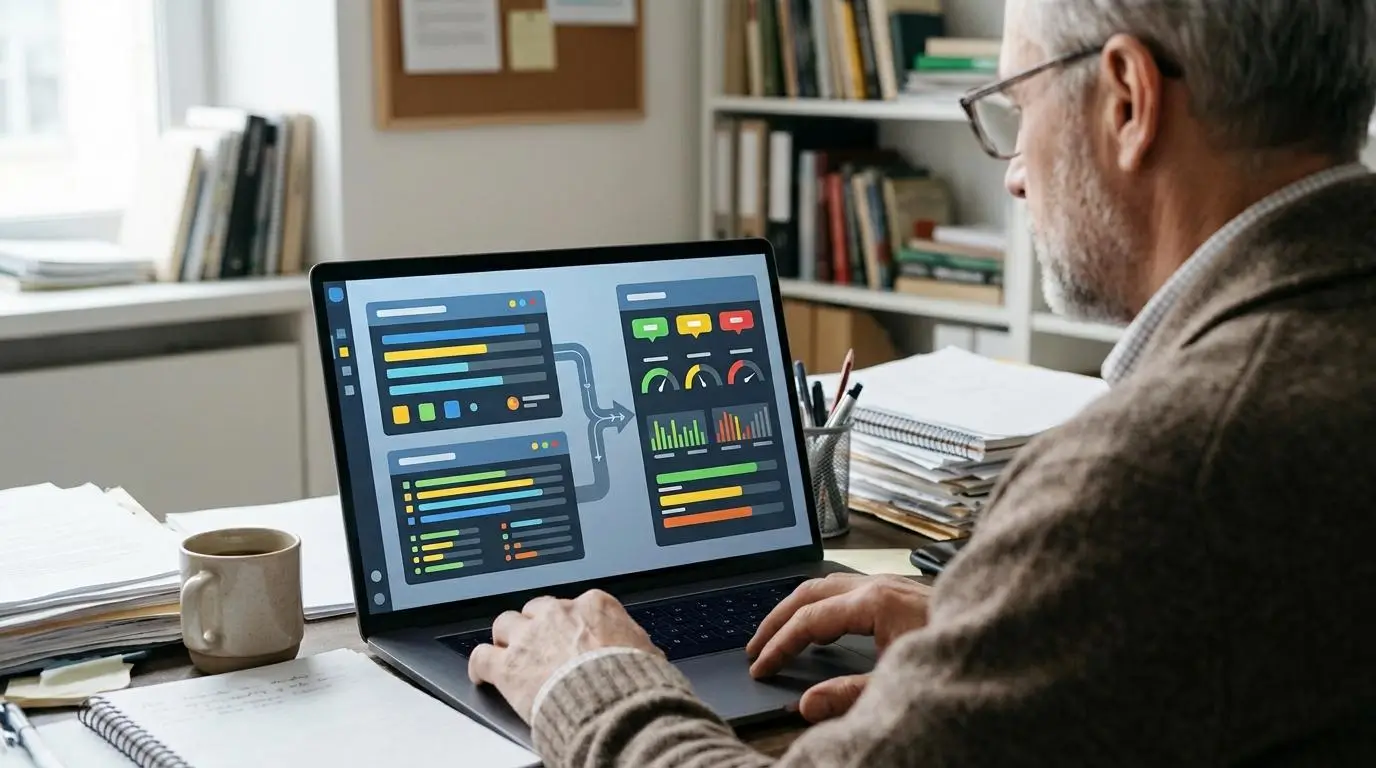
Once you’ve graded the final project and assessed each student’s contribution, you need to bring those scores together.
One practical approach is to combine the shared group grade with an individual score. This gives students credit for what the team achieved while recognizing differences in effort and participation. Just make sure everyone knows how the calculation works before the project starts.
How Can You Combine Group and Individual Scores?
You can decide how much weight each score carries.
For example:
- Group Project Grade: 70%
- Individual Contribution Grade: 30%
Let’s say a group earns 80/100 for its final project. Each student also receives an individual score based on their work and responsibilities.
Here’s how their final grades might look:
| Student | Group Score (70%) | Individual Score (30%) | Final Grade |
|---|---|---|---|
| Student A | 80 | 90 | 83 |
| Student B | 80 | 80 | 80 |
| Student C | 80 | 70 | 77 |
| Student D | 80 | 60 | 74 |
For Student A, the calculation is:
(80 × 0.70) + (90 × 0.30) = 83
The group score stays the same for everyone, but individual contributions make a difference to the final grade.
How Do Peer Assessment Factors Adjust Individual Grades?
You can also use a peer assessment factor to adjust the shared group mark. This factor is based on peer ratings that you’ve reviewed and approved.
The formula is straightforward:
Individual Grade = Group Grade × Peer Assessment Factor
Say the group earns 80 points and a student’s approved factor is 1.05.
80 × 1.05 = 84
Their adjusted grade would be 84 points.
There’s one important thing to remember, though. Peer ratings can be influenced by friendships, disagreements, or personal bias. Set your adjustment rules and grade limits in advance, review the ratings carefully, and follow your institution’s grading policies before making any changes.
How Can Peer Evaluation Make Group Project Grading Fairer?
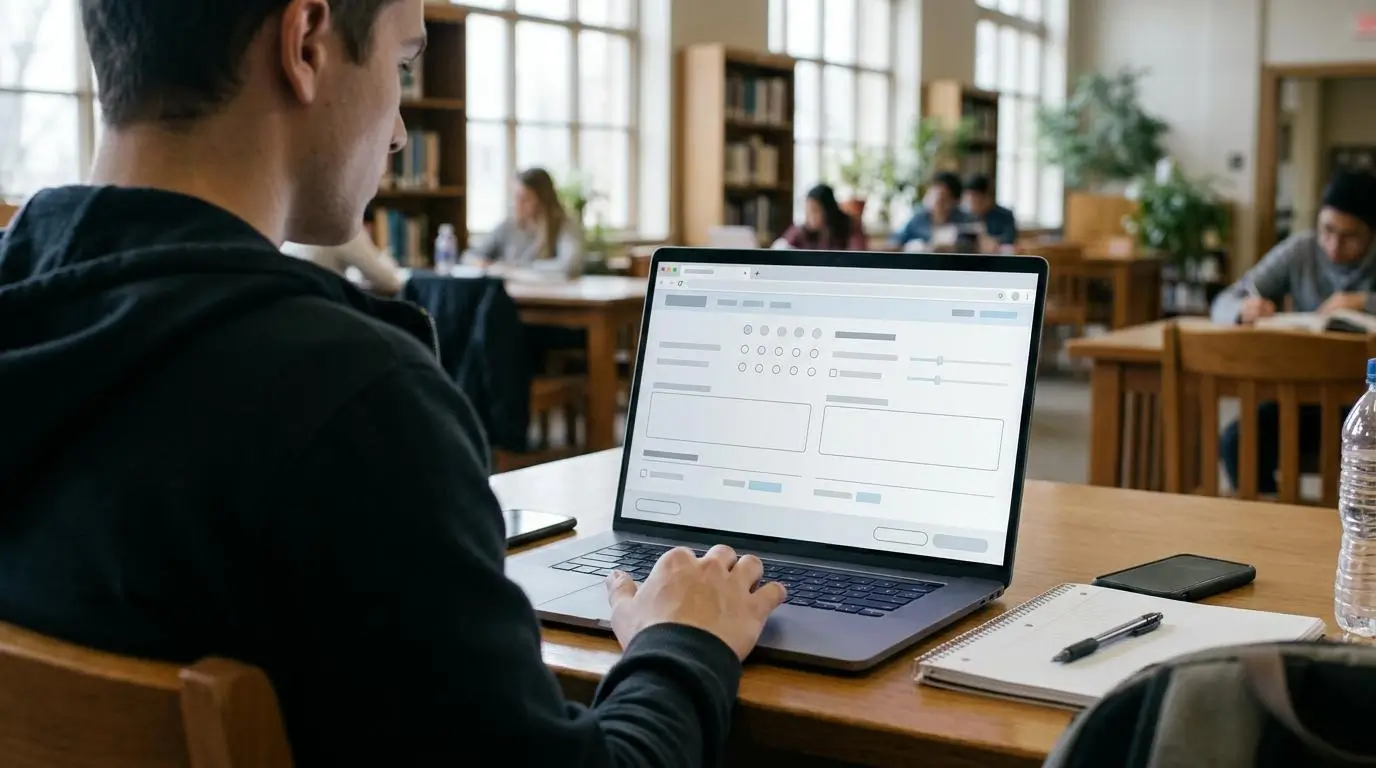
You can’t always see what goes on behind the scenes of a group project. Students divide tasks, meet outside class, and contribute in ways that may never show up in the final submission.
Peer evaluation helps fill those gaps. By asking students to assess their teammates, you can get a better sense of who contributed, how responsibilities were shared, and how well the group worked together.
What Should Students Evaluate About Their Group Members?
Peer evaluations are more useful when students rate specific actions rather than simply deciding who was a good teammate.
Here are five areas worth assessing:
- Contribution Quality: Was the student’s work accurate, useful, and completed to the expected standard?
- Participation: Did they take part in meetings and group discussions?
- Reliability: Did they complete assigned tasks and meet deadlines?
- Communication: Did they keep other members informed about progress or problems?
- Team Support: Did they help teammates and work through disagreements?
Give students clear rating descriptions and ask for examples where helpful.
How Can Anonymous Peer Reviews and Point Allocation Work?
Anonymous reviews may help students feel more comfortable giving candid feedback. You can also use point allocation, where students divide a fixed number of points among teammates based on their contributions.
Both methods can reveal differences in effort that aren’t immediately obvious. There’s a catch, though. Friendships, disagreements, and personal bias can influence ratings. Review the results alongside other evidence before making any adjustments to individual grades.
How Can You Hold Individual Students Accountable During Group Work?
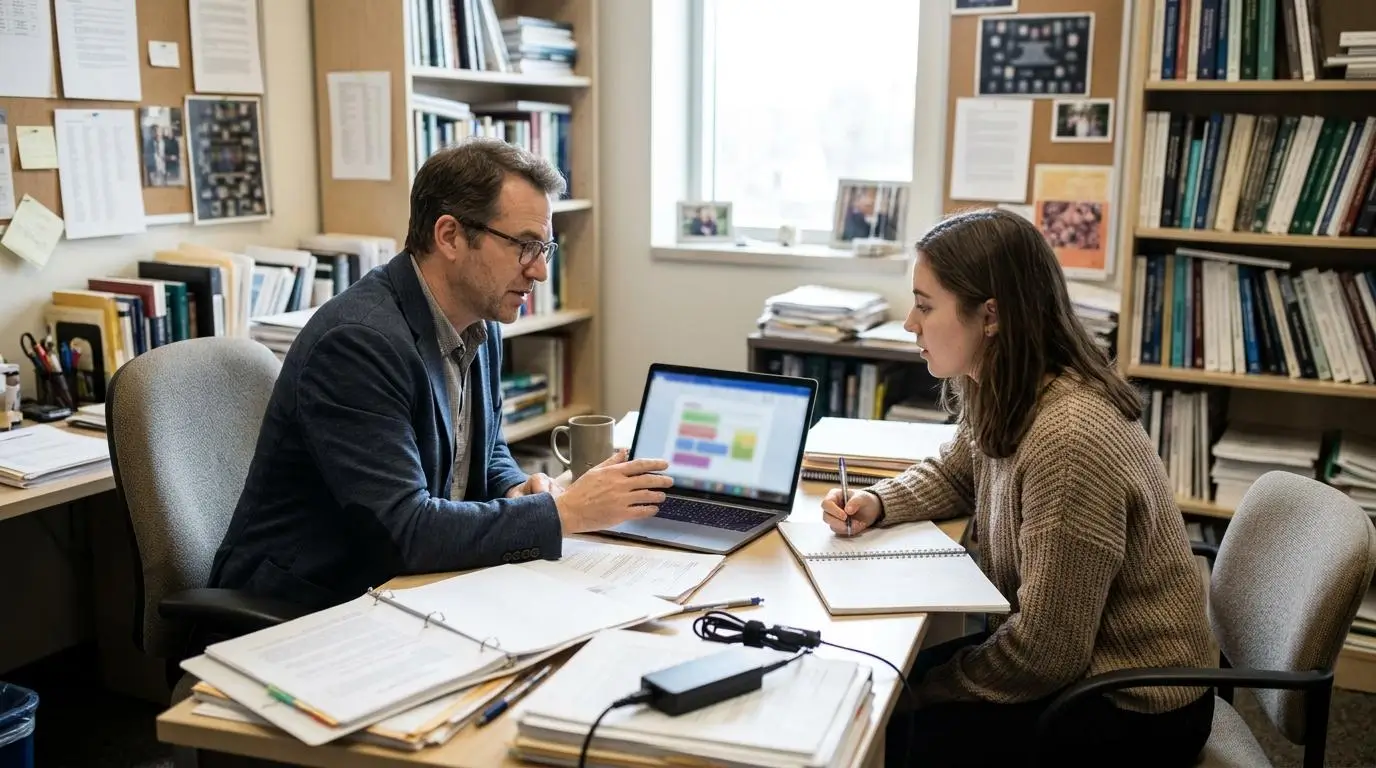
Individual accountability is much easier to manage when students know their responsibilities from the beginning. Clear expectations help everyone understand their role, and they give you a way to spot problems before the entire group falls behind.
What Strategies Help Track Individual Contributions?
The final submission won’t always show who did what. That’s why it’s worth keeping track of contributions throughout the project.
Here are five practical ways to do it:
- Assigned Roles: Give each student specific responsibilities while leaving room for teamwork.
- Individual Reports: Ask students to explain which tasks they handled and what they completed.
- Progress Logs: Record assigned work, deadlines, and completed tasks as the project develops.
- Version Histories: Check document edits or project updates when appropriate.
- Individual Questions: Use short interviews or oral questions to see how well each student understands the work.
Of course, logs and edit histories won’t capture everything. Use them as supporting evidence rather than the only measure of effort.
How Can Self-Assessment Encourage Student Responsibility?
Self-assessment encourages students to look at their own contributions, recognize strengths, and acknowledge where they could’ve done better. It can also help them take responsibility for their assigned work.
Still, don’t rely on self-ratings alone. Compare them with peer feedback, progress records, and your own observations before making grading decisions.
How Can Teachers Evaluate the Group Process Before the Final Submission?

A polished final project doesn’t always reveal what happened along the way.
Some groups work smoothly from start to finish. Others struggle with communication, uneven workloads, or disagreements. Looking at the group process helps you recognize skills like cooperation, negotiation, and responsibility that the finished assignment might not show.
Why Are Mid-Project Check-Ins and Progress Reports Important?
If you wait until the deadline to check how a group is doing, you might discover problems too late. Short progress reports and midpoint check-ins let you see who’s completing tasks, whether deadlines are being met, and where communication is breaking down.
They also give students a chance to raise concerns early. More importantly, you’re assessing participation throughout the project rather than judging everyone’s effort based on what happened during the final week.
How Can Teachers Address Group Problems Before They Affect Grades?
When something isn’t working, address it before the problem grows.
Here’s how:
- Identify the Problem: Review progress reports and listen to student concerns.
- Clarify Responsibilities: Discuss unfinished tasks and who should handle them.
- Agree on Improvements: Set realistic actions and deadlines.
- Check Progress: Follow up to see what’s changed.
- Follow Course Policies: Apply established procedures if problems continue.
For ongoing non-participation, consider an early reporting or group-separation policy that follows your institution’s rules.
How Can You Make Group Project Grading Fair and Consistent?
Fair grading comes down to a few basics: clear expectations, consistent scoring, and careful review of student contributions. Peer feedback can tell you plenty about how a group worked together. Still, it shouldn’t be the only thing you use to decide someone’s grade.
What Practices Help Prevent Unfair Group Grades?
A few simple safeguards can make grading group projects more consistent and help prevent disagreements when final marks are released.
Here are six practices worth following:
- Explain Grading Rules Early: Let students know from the start whether they’ll receive shared, individual, or combined grades.
- Use a Consistent Rubric: Assess every group using the same criteria and performance standards.
- Collect Evidence Throughout: Look at progress reports, individual submissions, and your own observations instead of judging everything from the final project.
- Moderate Peer Evaluations: Watch for unusually high or low ratings, personal disagreements, and possible bias.
- Give Students a Way to Raise Concerns: Make it easy to report unequal workloads or participation problems before they get worse.
- Review Final Scores: Check your calculations and keep a record of any significant grade adjustments.
And one thing worth keeping in mind: peer feedback is useful, but the instructor should make the final grading decision based on the rubric and available evidence.
How Do You Create an Effective Group Project Grading System?

A good grading system takes some planning, ideally before students start working together. You need to be clear about what you’re assessing, how marks will be calculated, and how you’ll recognize each student’s contribution.
Here’s how to get started:
- Identify Learning Objectives: Decide which subject knowledge and teamwork skills students should demonstrate.
- Choose a Grading Method: Pick shared, individual, combined, or peer-adjusted grading based on your assignment.
- Define Assessment Criteria: Set expectations for the final project and individual responsibilities.
- Set Grade Weightings: Decide how much the group project and personal contributions will count.
- Prepare Evaluation Tools: Create rubrics, peer evaluation forms, and self-assessment sheets.
- Explain the Process: Share grading rules, deadlines, and feedback procedures before students begin.
- Review and Improve: Look at student feedback and grading results to see what could work better next time.
It’s also worth involving students in discussions about teamwork expectations. When they understand what matters, they’re better prepared to take responsibility for their part.
How Can Apporto PowerGrader Support Group Project Assessment?
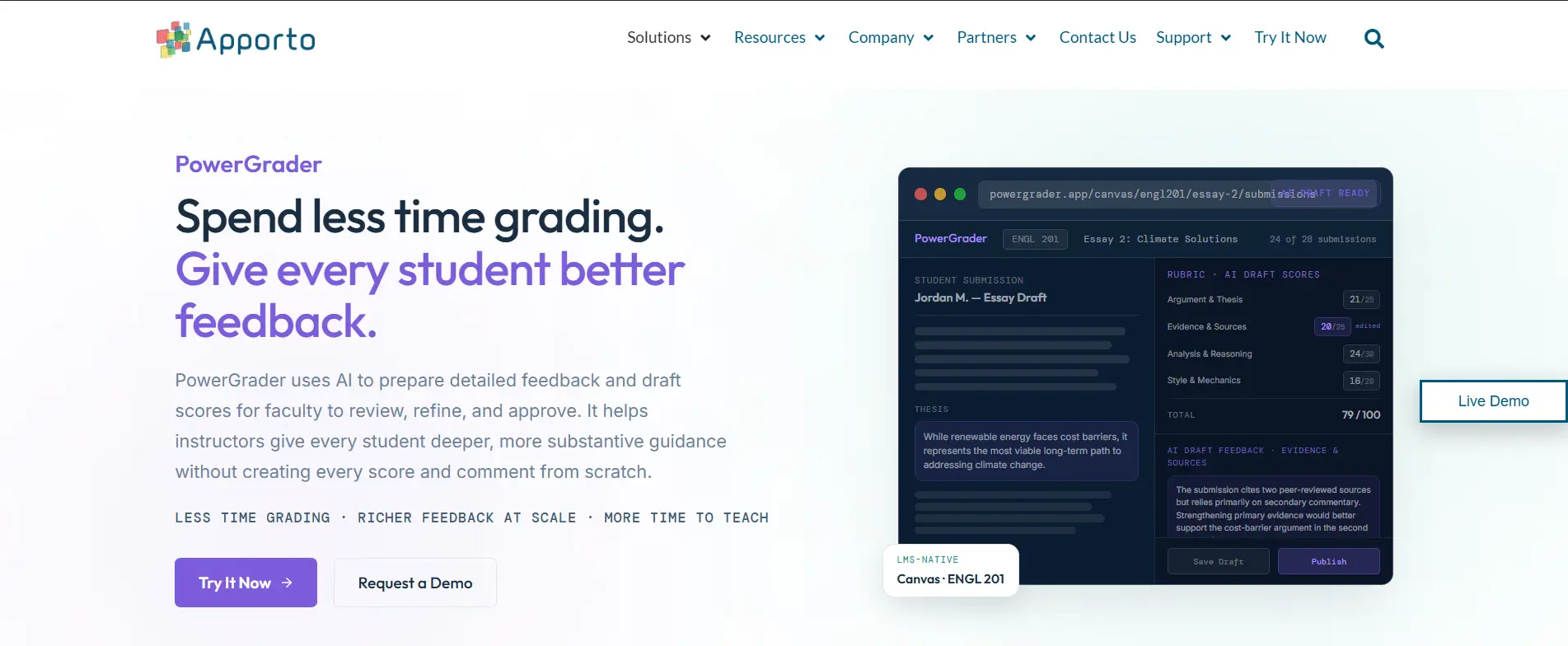
Grading group reports, presentations, and other assignments can eat up a lot of time, particularly when you’re working through detailed rubrics.
Apporto PowerGrader can help take some of that work off your plate. This AI-assisted grading platform uses instructor-defined rubrics to prepare suggested scores and feedback, giving you a starting point for reviewing student work.
How Can PowerGrader Help With Rubric-Based Group Assignments?
The process is straightforward:
- Import Assignments: Bring in instructions, rubrics, and submissions from supported learning management systems.
- Prepare Suggestions: Generate draft scores and feedback based on your rubric.
- Review Results: Check the suggestions and edit or override them when needed.
- Publish Grades: Send approved grades back to your learning management system.
You still decide how each student’s contribution affects their grade. PowerGrader supports rubric-based assessment, but it doesn’t replace your judgment about individual effort.
Final Thoughts
Fair group grading means giving credit where it’s due, both to the team and to the students who contributed to its success. Giving everyone the same grade might seem easier. But when some students put in more work than others, that approach can leave individual effort unnoticed.
Clear rubrics, progress records, peer feedback, and regular check-ins can help you understand what happened throughout the project, not simply how the final submission turned out. There’s no perfect grading method for every assignment. What works best depends on your learning objectives and the skills students are expected to develop.
Before your next group project, ask yourself: Does your current grading system recognize everyone’s contribution fairly?
Start with one practical improvement, such as updating your rubric or introducing peer evaluations. Even a small change can make grading more consistent, transparent, and manageable.
Frequently Asked Questions (FAQs)
1. How Do You Grade Group Projects Fairly?
Fair group project grading considers both the finished assignment and what each student contributed. Clear rubrics, progress records, and instructor-reviewed peer feedback help you recognize individual effort without overlooking the team’s overall achievement.
2. Should Every Student Receive the Same Grade for a Group Project?
Not always. A shared grade makes sense when the main goal is teamwork and collective achievement. But if students contribute different amounts of work, combining group and individual scores can give you a fairer result.
3. How Can You Measure Individual Contributions in Group Work?
You can track individual contributions through assigned tasks, personal reports, progress logs, and peer feedback. Your own observations matter, too. Looking at several sources gives you a better understanding of who actually did what.
4. How Do Peer Evaluations Affect Group Project Grades?
Peer evaluations provide insight into each student’s participation and reliability. You can use those ratings to inform individual grades or adjustments, but review them carefully for bias and follow the scoring rules established beforehand.
5. What Is the Best Grading Method for Group Projects?
No single grading method works best for every assignment. A combination of group and individual scores is often a sensible choice, especially when you want students to develop teamwork skills while remaining responsible for their own contributions.
